
Last updated September 22, 2026
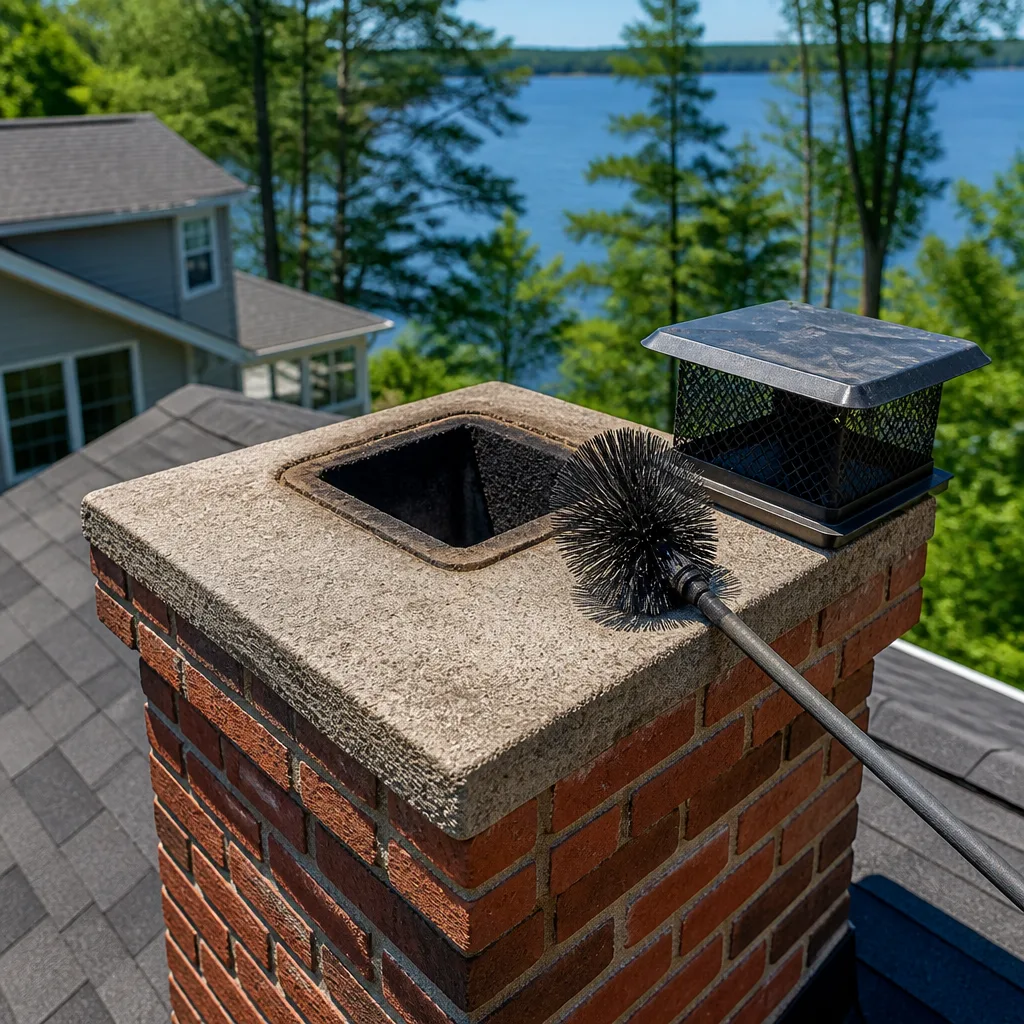
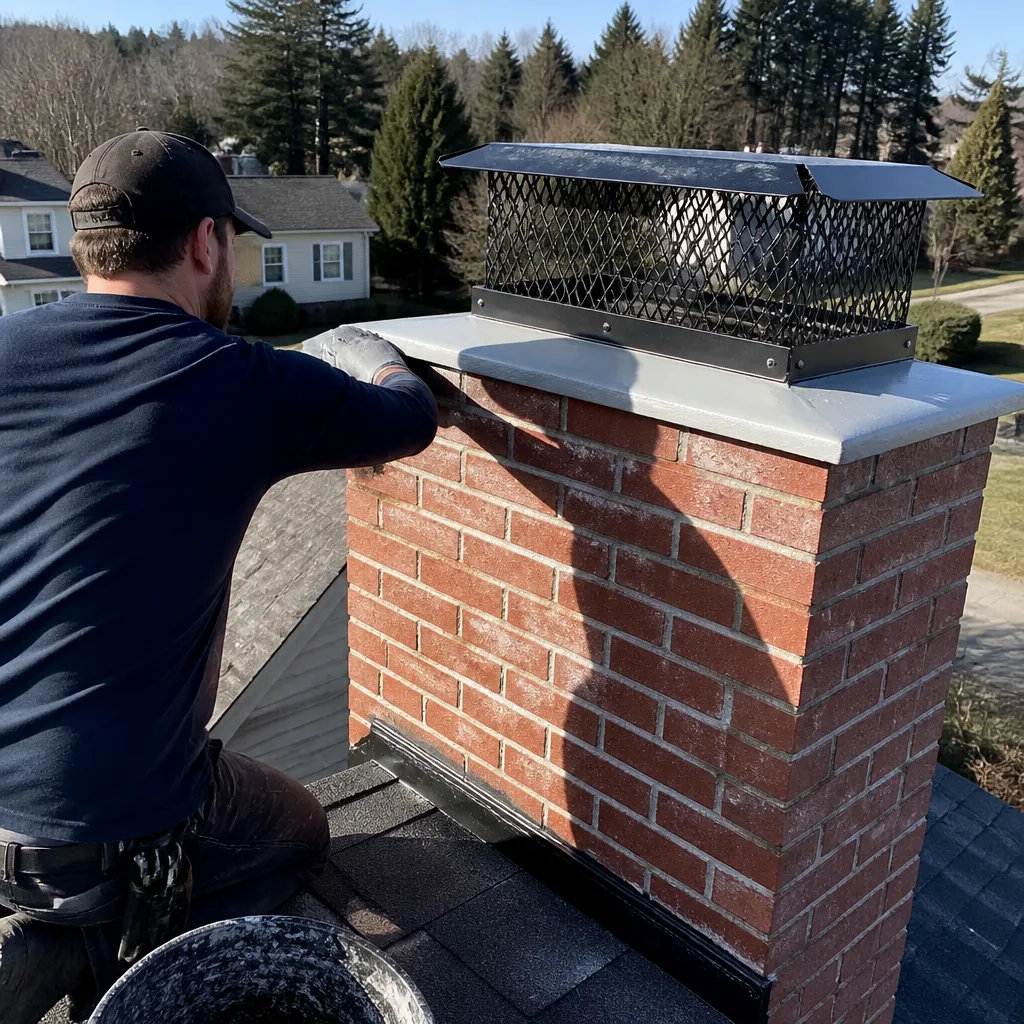
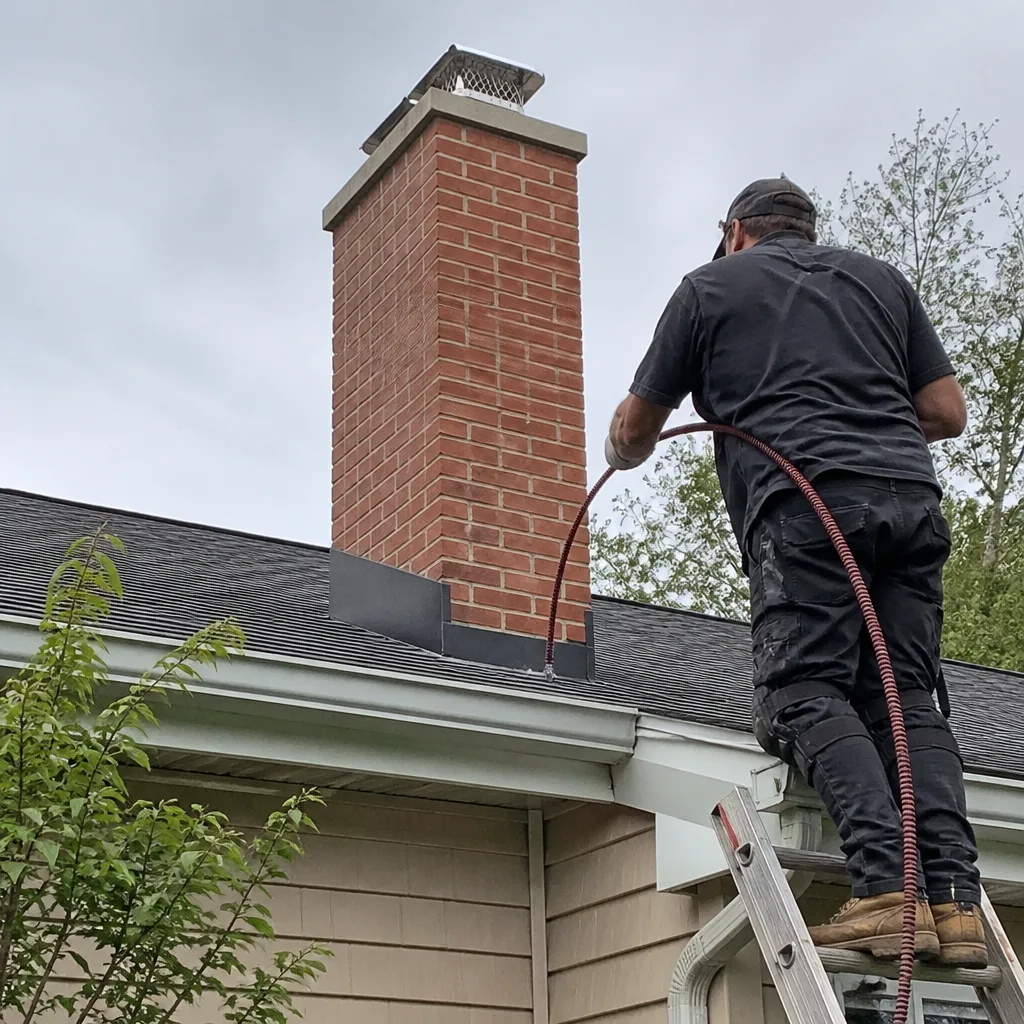
Level 1 sweep and inspection to the NFPA 211 annual standard - flue, crown, cap, and flashing checked and photographed
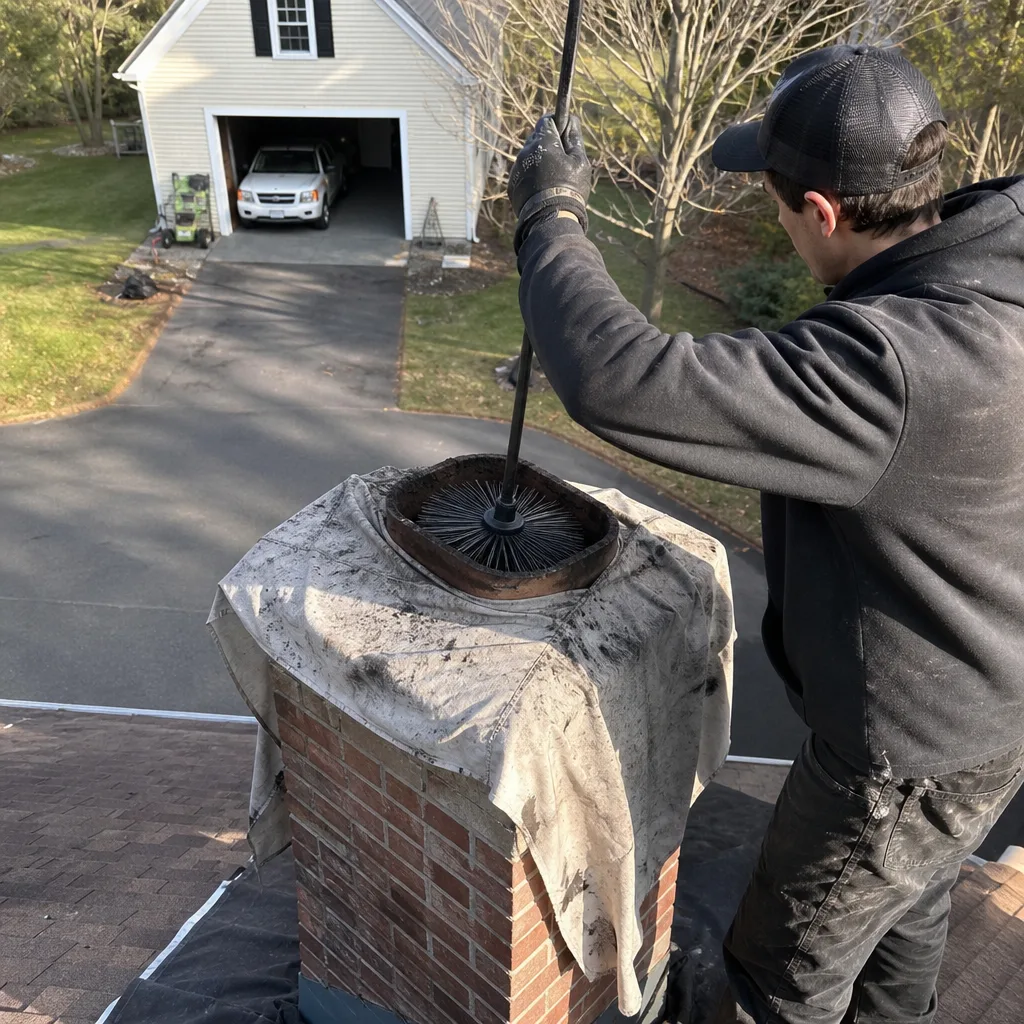
Chimney sweep logs do not sweep chimneys. They loosen some creosote - which then falls where a brush and vacuum still have to collect it.
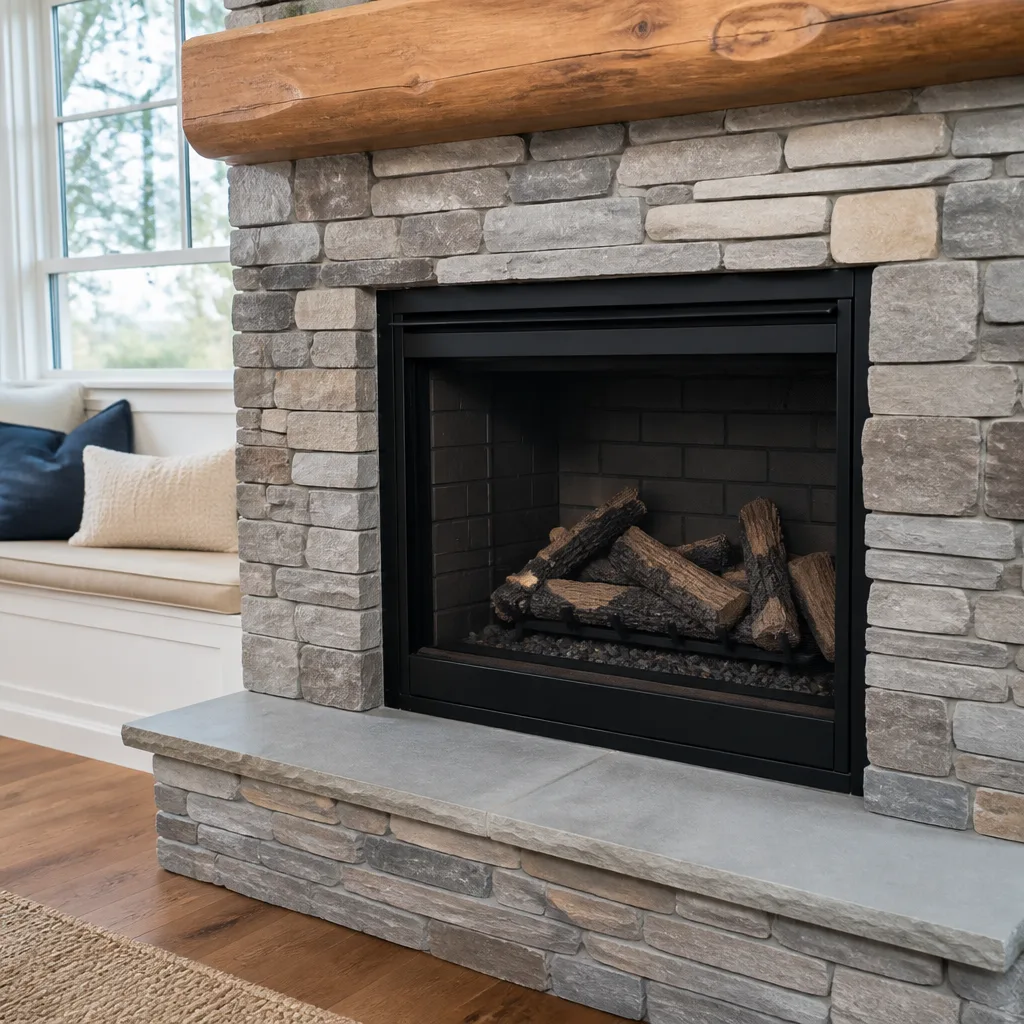
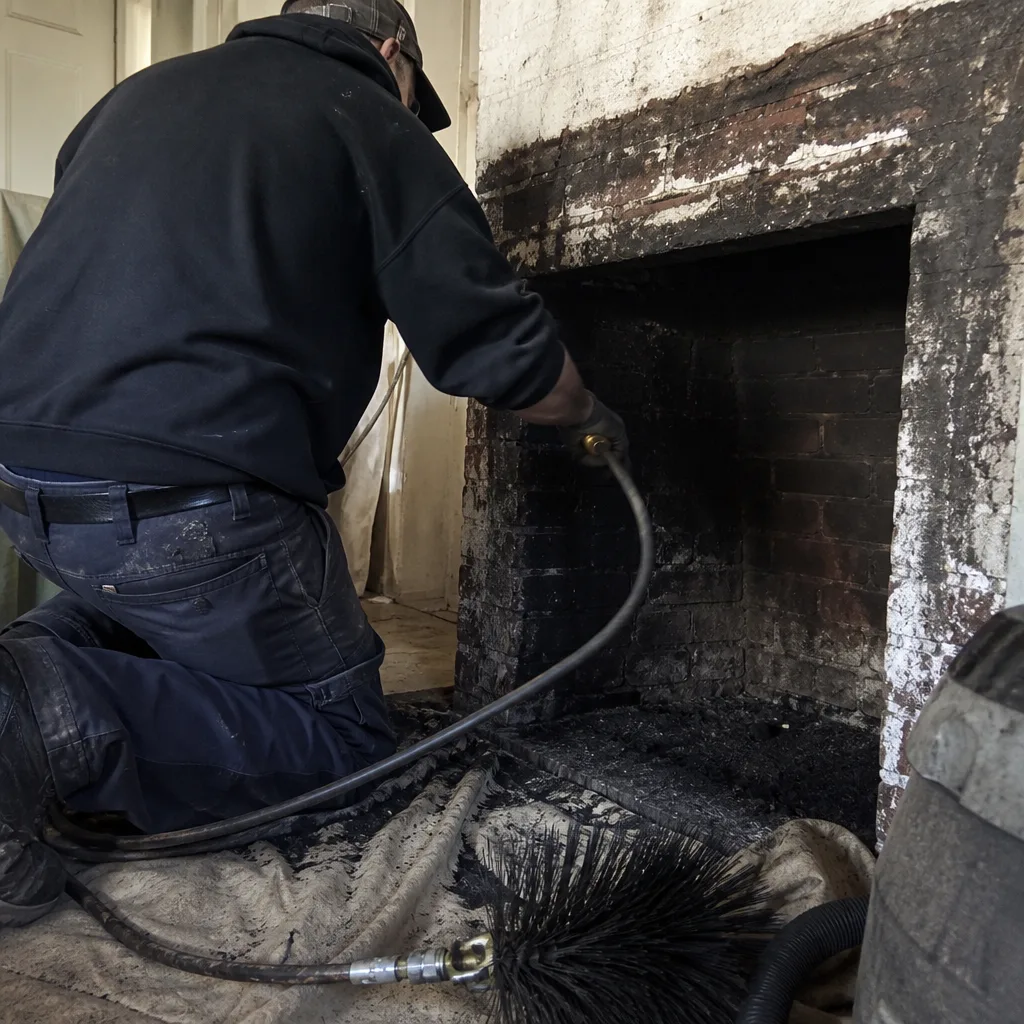 Before
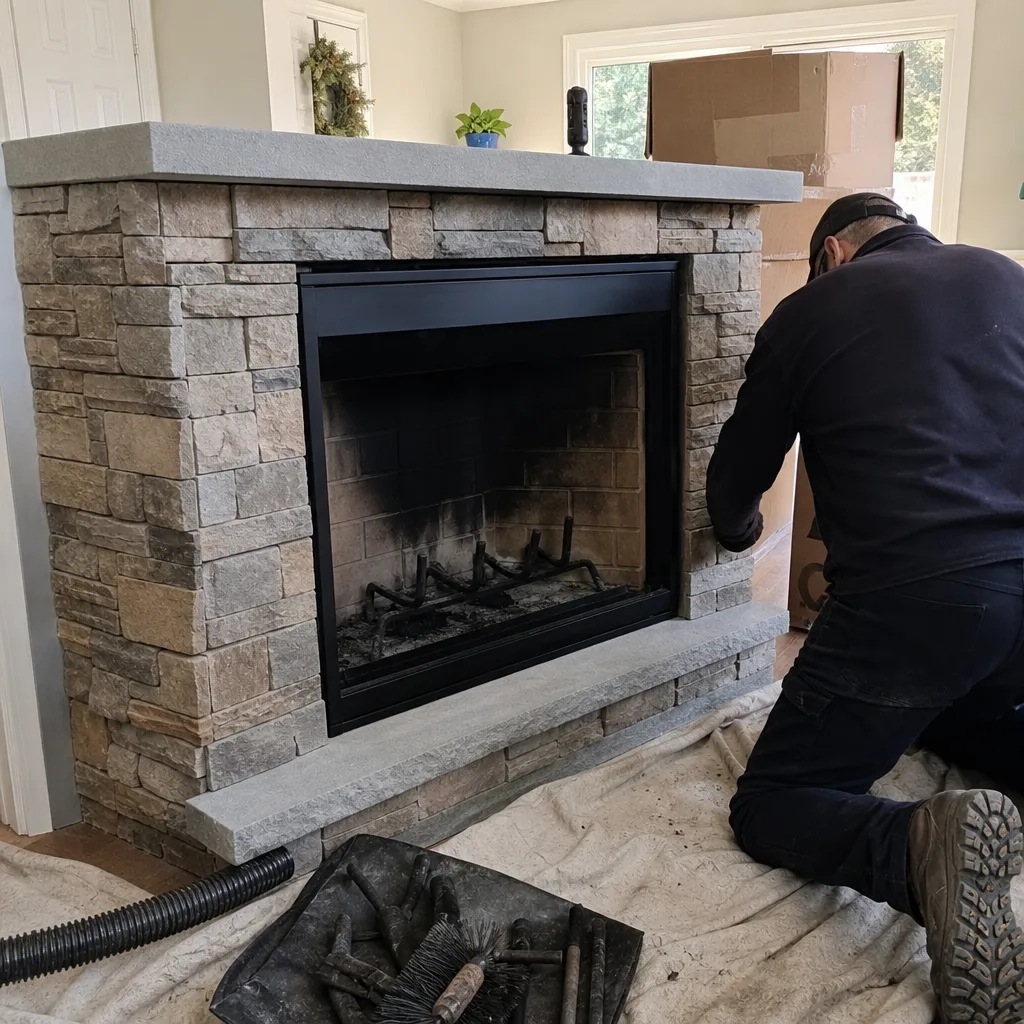 After
After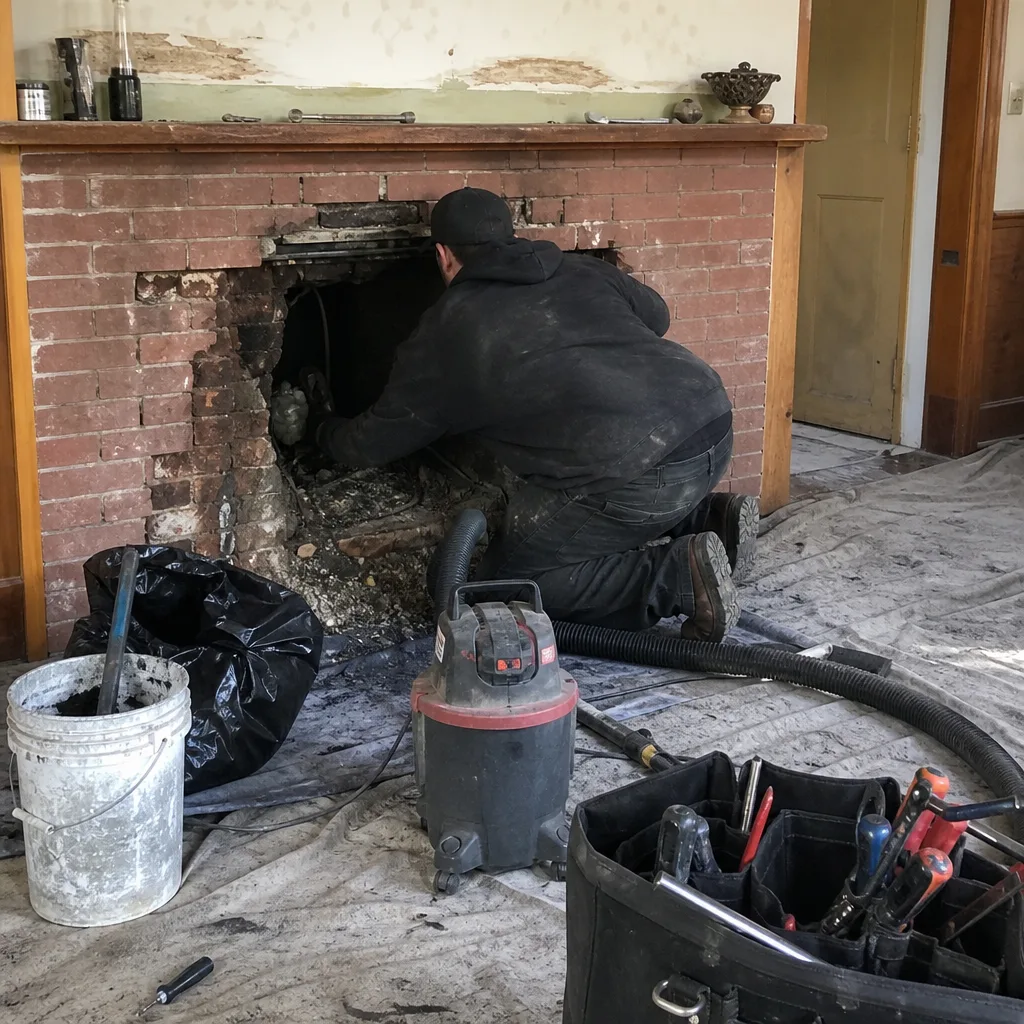 Before
 After
After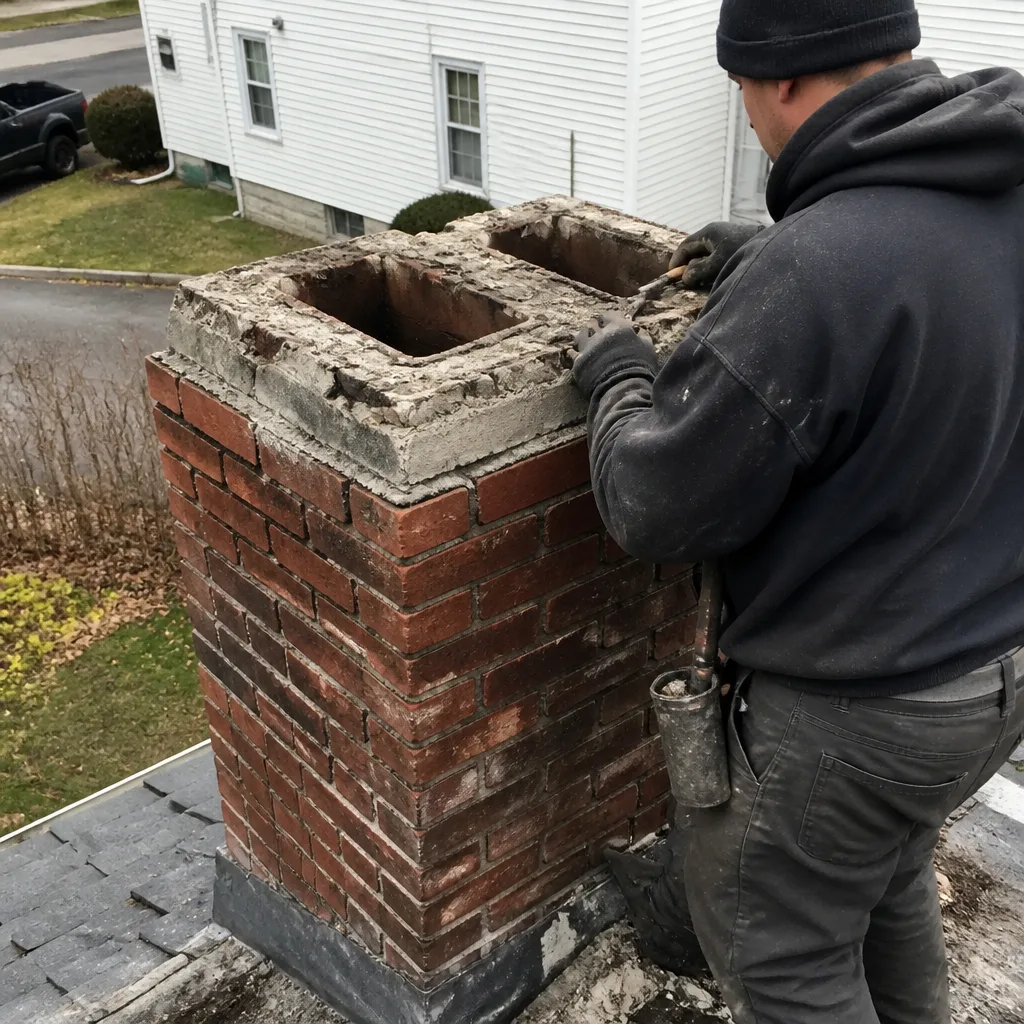 Before
 After
AfterChimney Cleaning Warning Signs: A Worcester Homeowner’s Reference Guide
That white, powdery film on your firebox brick? Most Worcester homeowners wipe it off and forget it. In our experience inspecting over 38,000 chimneys since 2009, that efflorescence is moisture migrating through compromised masonry - often the first readable signal that your flue liner has lost integrity. The homeowner who notices it early pays for a Level 2 camera inspection. The one who waits six months pays for liner replacement. This guide - alongside our Complete Guide to Chimney Cleaning in Worcester - teaches you to read draft behavior, smoke color, odor type, and deposit texture as diagnostic signals with specific mechanical meanings, not just cosmetic annoyances. Worcester’s freeze-thaw cycles and older housing stock - from triple-deckers in Main South to colonials in Tatnuck - make these signs especially time-sensitive.
Quick Answer
Chimneys in Worcester need professional service when you observe persistent cold drafts, smoke discoloration on interior walls, tar-like creosote deposits, or any odor stronger than faint wood smoke. These four categories - draft behavior, visible staining, deposit texture, and smell - each point to specific component failures that a Chimney Cleaning & Sweep in Worcester can diagnose with a camera scan. Waiting until you see water damage or smell smoke inside the house typically means the repair has escalated from maintenance to rebuild territory.
Table of Contents
- Reading Draft Behavior as a Diagnostic Tool
- Smoke Color, Odor Type, and What They Indicate
- The Three Stages of Creosote: What Homeowners Can Observe
- Structural Signals Visible From Outside Your Home
- Interior Staining Patterns and Their Mechanical Causes
- Watch-and-Monitor vs. Stop-Use-Immediately Thresholds
- Common Mistakes to Avoid
- When to Call a Professional
- Frequently Asked Questions
 Before
 After
AfterReading Draft Behavior as a Diagnostic Tool
Draft is the upward air current that carries combustion gases out of your home. When it fails, the failure has a specific mechanical cause you can often identify by when and how it manifests.
Cold Downdraft When You Open the Damper
If a rush of cold air hits your face when you open the damper before lighting a fire, your chimney is experiencing reverse stack effect. In Worcester, we see this most often in homes built before 1950 with exterior chimneys on the north or west walls. The chimney mass cools below indoor temperature, and air sinks instead of rises. The fix is usually a top-sealing damper or warming the flue with a rolled newspaper before lighting - but persistent reverse draft can indicate a blocked flue or oversized liner for modern, efficient appliances.
Smoke Rollout Into the Room
Smoke entering your living space during operation means combustion gases are not exiting faster than they’re being produced. Common causes we find in Worcester inspections:
- Closed or partially closed damper - check first, but don’t stop there if the damper was open.
- Competing exhaust appliances - kitchen range hoods, bathroom fans, or dryers creating negative pressure. This is increasingly common in tightened homes in neighborhoods like Shrewsbury Street where air sealing has been upgraded without combustion air provisions.
- Flue blockage - bird nests, collapsed liner sections, or severe creosote buildup. A Level 2 camera inspection confirms this in about ten minutes.
- Improper firebox-to-flue ratio - common when original coal fireplaces were converted to wood without engineering the throat and smoke chamber.
Back-Puffing: Intermittent Smoke Bursts
Back-puffing sends small smoke clouds into the room at irregular intervals, usually 10-20 minutes into a burn. It happens when a fire smolders at low temperature, producing heavy gases that cool and sink before reaching the chimney top. The root cause is often burning unseasoned wood (moisture above 20%) or restricting air supply with modern glass doors. In Worcester’s humid summers, wood stored in basements or garages absorbs moisture that won’t register on a surface check. We recommend a moisture meter reading below 18% before burning.
Draft That Improves After 30 Minutes
This pattern - weak draft at start-up that strengthens as the fire builds - suggests thermal mass issues. The flue liner and surrounding masonry are so cold they absorb heat that should drive convection. Once warmed, draft improves. Worcester’s January temperatures regularly drop below 20°F, and chimneys on exterior walls never fully warm. A stainless steel liner from DuraFlex, properly sized and insulated, solves this by reducing the volume the fire must heat and preventing heat loss to masonry.
Smoke Color, Odor Type, and What They Indicate
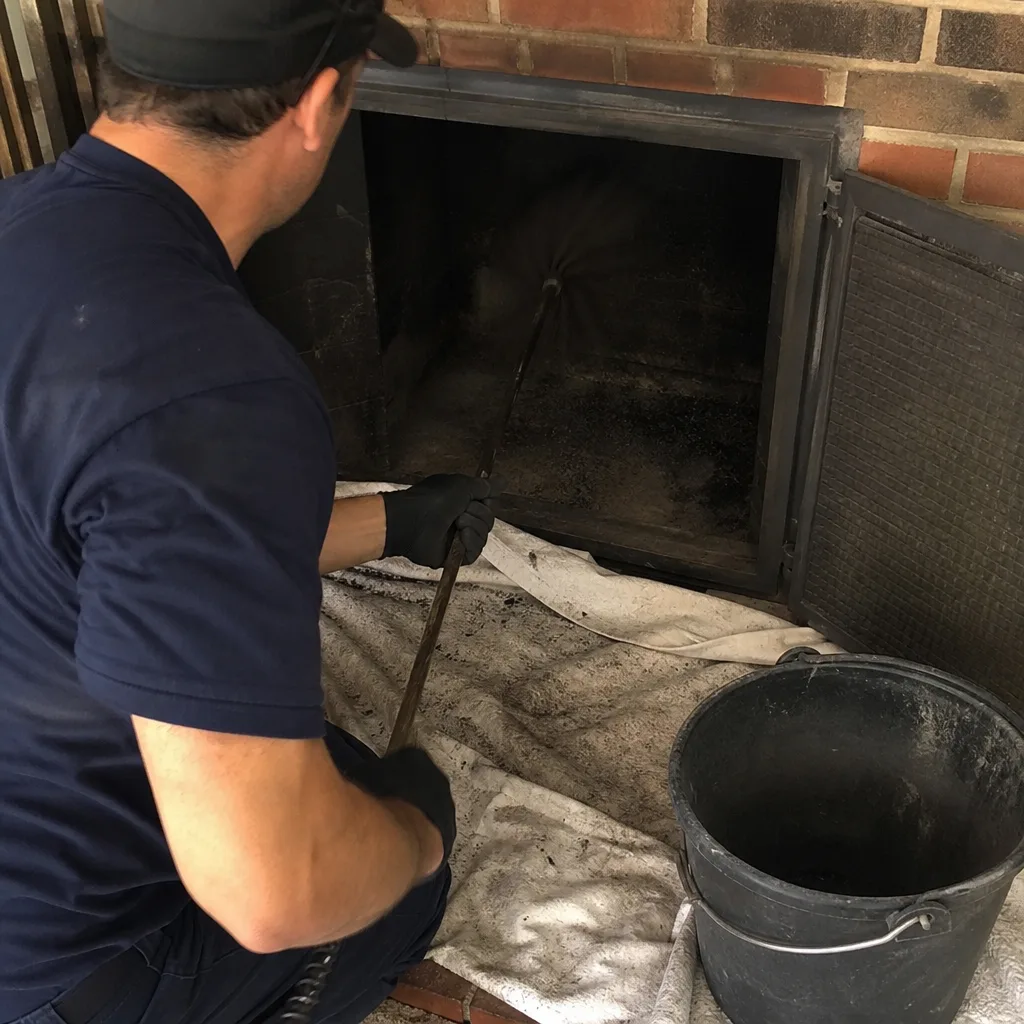
Smoke and smell are the chimney’s exhaust signature. Each variation has a specific meaning.
Smoke Color Diagnostics
| Smoke Color | What It Indicates | Component Affected |
|---|---|---|
| Thin, pale gray to nearly invisible | Complete combustion, proper draft | None - normal operation |
| Thick white or light gray | Excess moisture in fuel; possible steam from water intrusion | Fuel quality or crown/cap failure |
| Yellow-brown or orange-tinted | Incomplete combustion; wood gases not fully burned | Firebox design, air supply, or flue temperature |
| Dark gray to black | Heavy particulate; creosote-forming conditions | Flue liner condition, fuel quality, burn practices |
| Blue-tinged (in gas appliances) | Carbon monoxide production; immediate hazard | Gas valve, burner, or venting - stop use, call professional |
Odor Type and Source Mapping
Chimney odors change with the season in Worcester, and the type tells you where the problem lives.
- Acrid, sharp smell on humid summer days - This is Stage 2 or 3 creosote absorbing moisture and off-gassing. The odor intensifies when relative humidity rises above 60%, common in Worcester’s July and August. It means accumulated deposits are active, not inert. A sweep removes the fuel; a camera inspection finds why it’s accumulating.
- Musty, earthy smell - Water has entered the system. The source could be crown cracks, cap failure, flashing separation, or porous brick. In Worcester’s older neighborhoods like Vernon Hill, we’ve found original terra cotta flue liners cracked by decades of freeze-thaw cycling, allowing condensation to saturate surrounding masonry.
- Burnt or smoky smell in upper floors - Smoke is escaping the flue somewhere between the firebox and the cap. This often tracks to a missing or damaged chimney liner, or gaps in the smoke chamber (the area above the damper that funnels gases into the flue). Smoke chamber parging with HeatShield restores the smooth, sloped surface required for proper draft.
- Dead animal or sewage smell - Blockage, usually a bird nest, squirrel cache, or deceased animal. Worcester’s tree canopy in neighborhoods like Burncoat supports active squirrel populations. A properly installed cap with mesh screening from Famco prevents entry without restricting draft.
The odor that demands immediate action: any chemical or solvent smell. This indicates volatile organic compounds are entering the combustion zone, possibly from stored chemicals, paint, or cleaning supplies near the hearth. Evacuate and ventilate before investigating.
The Three Stages of Creosote: What Homeowners Can Observe
Creosote is not one substance. It forms in three distinct stages, each with different appearance, different hazard level, and different remediation cost. Learning to distinguish them by sight and touch can save Worcester homeowners from emergency situations.
Stage 1: Soot and Fine Ash
Appearance: Soft, fluffy, black or dark gray. Wipes off with a finger. Looks like fireplace “dirt.”
What it means: Your fire is burning relatively hot and complete, but some carbon particles are condensing on cooler flue surfaces. This is normal and manageable.
Remediation: Standard sweep with rotary brushes. In Worcester, where heating degree days exceed 6,000 annually, Stage 1 accumulates in one to two burning seasons for regular wood burners. Cost typically falls in the $200-$320 range for a complete sweep with Level 2 inspection.
Stage 2: Granular or Crusty Deposits
Appearance: Hard, porous granules like coarse coffee grounds, or brittle flakes. Does not wipe off; must be scraped.
What it means: Combustion gases are condensing at temperatures that allow partial polymerization. The flue is running cooler than optimal, often due to oversized flue, exterior chimney location, or burning cooler fires for longer duration. Stage 2 is significantly more flammable than Stage 1 and requires more aggressive removal.
Remediation: Mechanical removal with chains, whips, or specialized polypropylene brushes. May require chemical treatment to soften deposits first. Cost range in Worcester: $280-$450 depending on flue length and accessibility. We document the deposit class with photos under Haven Standard Clause 4.
Stage 3: Glazed or Tar-Like Coating
Appearance: Shiny, black, hardened glaze resembling obsidian or thick tar. May drip from flue joints. Extremely difficult to scratch.
What it means: Sustained low-temperature burning of unseasoned wood, restricted air supply, or appliance misfire has created a concentrated fuel load. Stage 3 creosote ignites at approximately 451°F - lower than paper - and burns at temperatures exceeding 2,000°F, which can crack flue liners and penetrate to framing. This is the leading cause of chimney fires in Massachusetts.
Remediation: Chemical treatment with creosote modifier, followed by mechanical removal in stages. Severe cases require multiple visits. Cost in Worcester typically runs $400-$700. If the underlying liner is damaged by prior ignition events, replacement with a stainless steel liner from DuraFlex or Olympia Chimney becomes necessary - a significantly larger investment that our free second opinion can help you evaluate.
How to Check Your Own Creosote Stage
- Ensure the fire is completely out and the system is cold - wait 24 hours minimum.
- Wear a dust mask and gloves. Open the damper fully.
- Reach up through the firebox and touch the flue walls above the smoke chamber, or use a fireplace poker to scrape a small area.
- Note texture: soft and powdery (Stage 1), granular and brittle (Stage 2), or hard and glazed (Stage 3).
- Photograph what you find. This becomes baseline documentation for your sweep.
Never attempt removal yourself beyond this check. Stage 2 and 3 deposits can release concentrated carcinogenic compounds when disturbed without proper containment and respiratory protection.
Structural Signals Visible From Outside Your Home
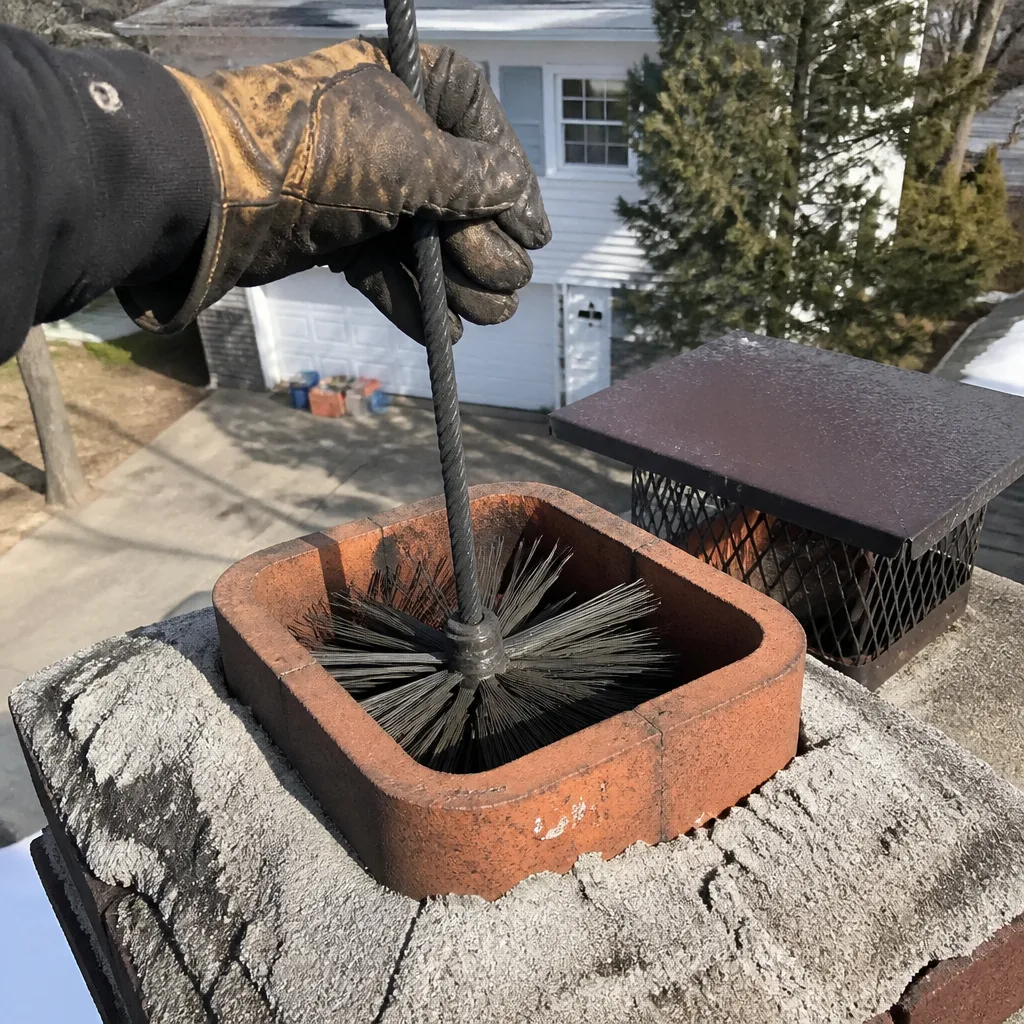
Many chimney failures begin at the top and work down. A ten-minute yard inspection, especially after Worcester’s harsh winters, reveals problems before they reach interior surfaces.
Cap and Crown Conditions
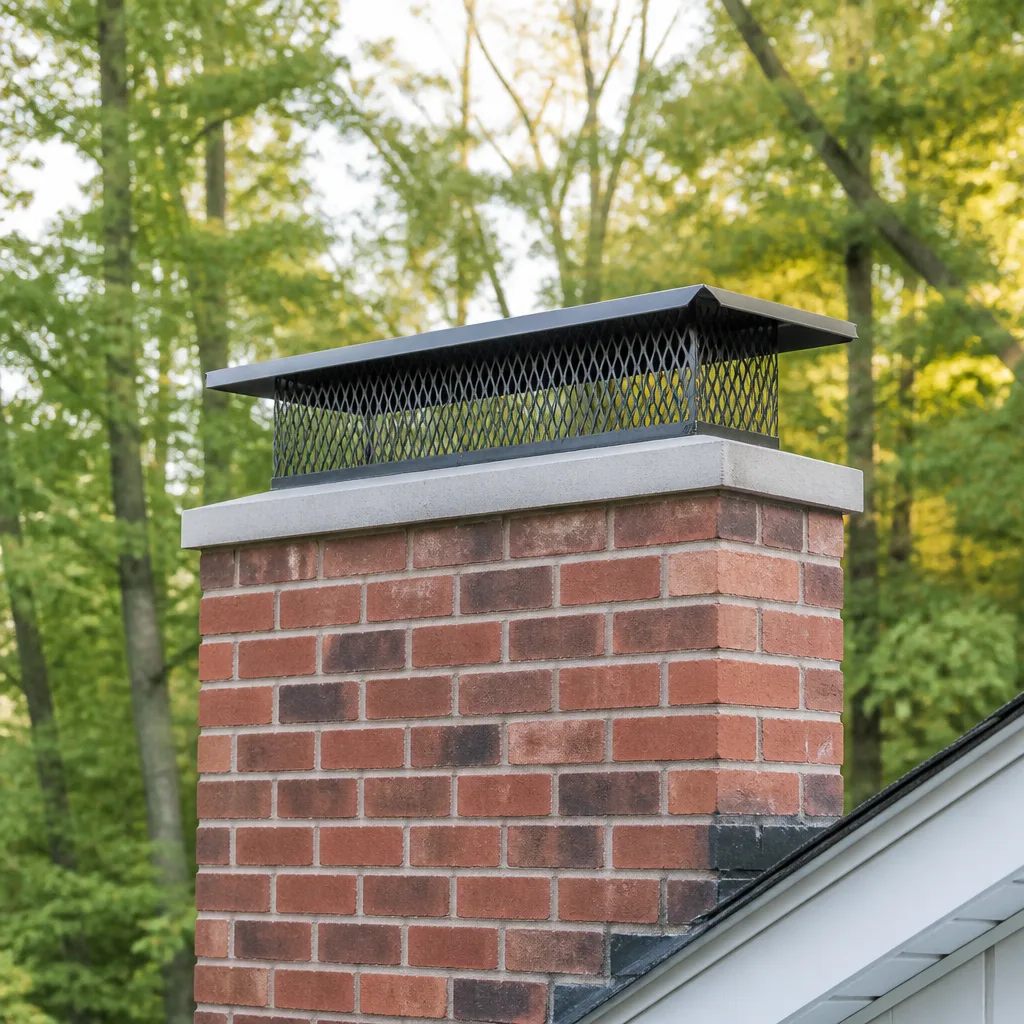
The crown is the concrete or mortar slab that seals the chimney top around the flue tile. The cap sits above it, covering the flue opening. Together they exclude water, which is the single largest cause of chimney deterioration in New England.
- Hairline cracks in the crown - Inevitable in concrete exposed to Worcester’s freeze-thaw, but width matters. Cracks under 1/8 inch can be sealed with crown coat products. Wider cracks, or cracks that have opened after previous sealing, indicate the crown is failing structurally and needs rebuild.
- Missing or rusted cap - A missing cap invites water, animals, and debris directly into the flue. Rust streaks down the flue tile indicate the cap has been leaking for multiple seasons. Replacement caps from Copperfield with proper mesh sizing solve this permanently.
- Crown pulling away from flue tile - A gap between crown and flue allows water to pour directly into the chimney interior. This is common where original construction used no expansion joint material. We rebuild with bonded crown systems that accommodate thermal movement.
Brick and Mortar Assessment
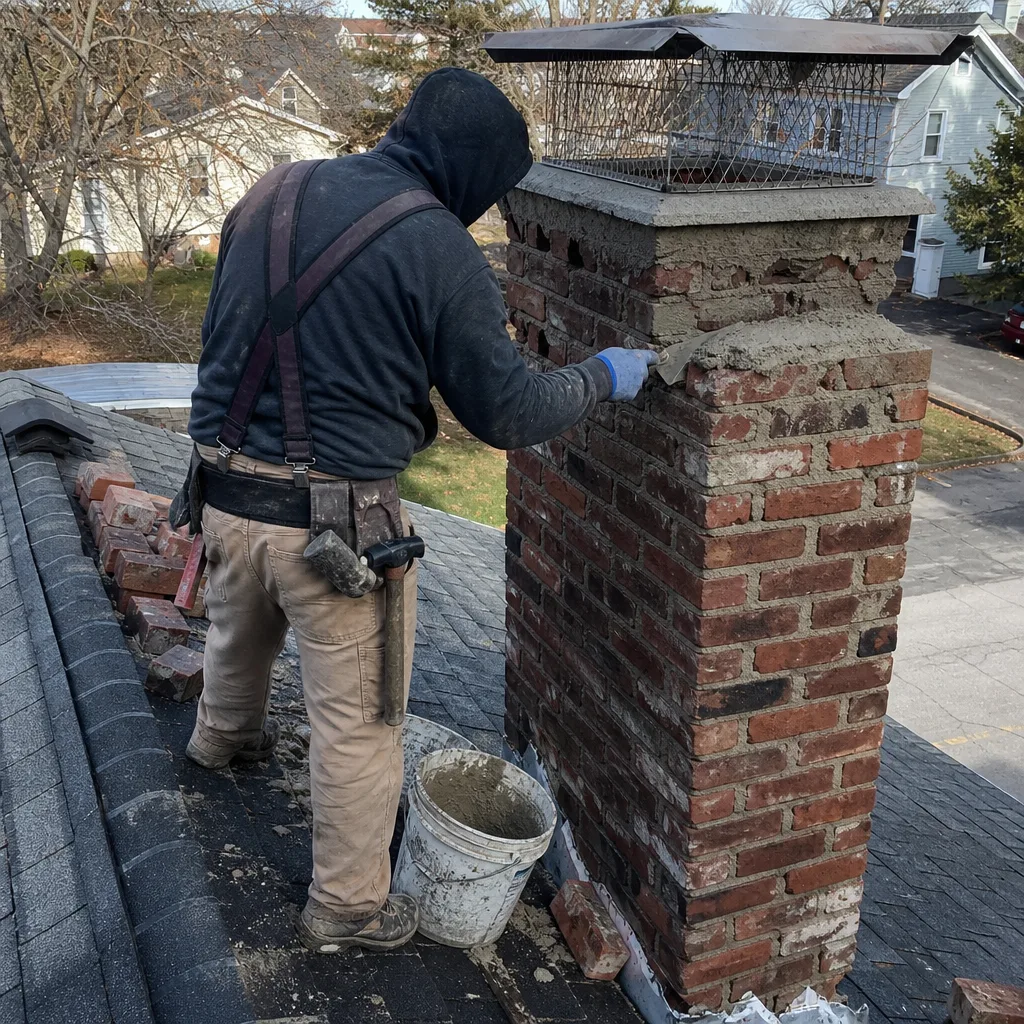
Spalling: Brick faces that have flaked, popped, or crumbled. This happens when water enters brick, freezes, and expands. Worcester’s average 48 freeze-thaw cycles annually accelerate this process. Spalling deeper than 1/4 inch into the brick face, or affecting more than 10% of visible surfaces, indicates systematic water intrusion requiring cap/crown repair plus tuckpointing or partial rebuild.
Efflorescence on exterior brick: White powdery deposits, same chemistry as the firebox efflorescence mentioned in our opening. On exterior surfaces, it confirms water is moving through the masonry from interior to exterior - the reverse of the intended moisture path. This signals failed waterproofing, cap failure, or liner breach allowing condensation to saturate the wall.
Flashing and Roofline
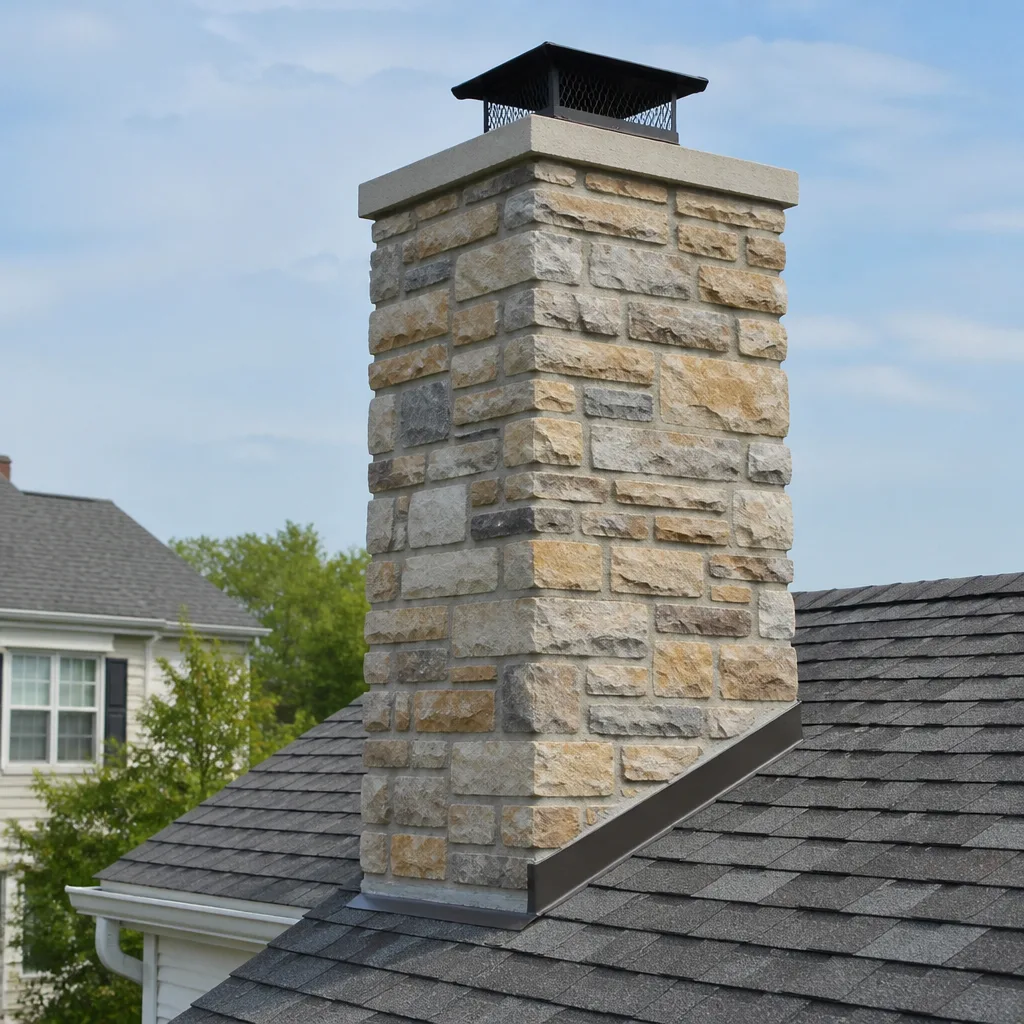
Chimney flashing is the metal intersection where chimney meets roof. In Worcester’s snow-loading climate, ice dam backup frequently lifts flashing edges.
- Lifted or separated step flashing - visible as gaps between metal and brick, or between metal courses.
- Rust stains on roofing below the chimney - indicates flashing deterioration or fastener failure.
- Interior water stains on ceiling adjacent to chimney - confirms flashing failure, often the first interior sign.
Flashing repair is not a caulk job. Proper repair requires removing courses of step flashing, installing new base and counter-flashing, and integrating with roofing underlayment. We coordinate this with roofing contractors when the roof itself is compromised.
Chimney Lean or Separation
Any visible tilt of the chimney from vertical, or gap opening between chimney and house wall, is structural failure requiring immediate professional evaluation. Causes include foundation settlement, corroded interior liner expanding against masonry, or long-term water damage undermining the base. This is not a sweep issue; it’s a Chimney Repair in Worcester situation.
Interior Staining Patterns and Their Mechanical Causes
Where discoloration appears inside your home maps directly to the failed component. Learning this pattern language prevents misdiagnosis and unnecessary work.
White Haze on Firebox Brick or Refractory Panels
Efflorescence, as discussed. The mechanism: combustion gases contain water vapor. A compromised flue liner allows these gases to penetrate surrounding masonry. The water dissolves salts in the brick or mortar, migrates to the interior surface, and evaporates, leaving salt deposits. The white haze is literally dissolved masonry being transported by moisture. It will recur after cleaning until the liner is repaired or replaced. In Worcester inspections, we see this most in homes with original clay liners installed 1920-1960, now cracked by thermal cycling.
Brown or Black Staining Above the Fireplace Opening
Smoke staining on the mantel or wall above the firebox indicates smoke rollout during operation - the draft failure discussed earlier. The pattern’s height shows how far smoke traveled before gravity overcame thermal rise. Persistent staining despite apparent good draft suggests a smoke chamber that’s too flat or too large, failing to accelerate gases into the flue. Smoke chamber parging reshapes this critical transition zone.
Rust Stains on the Damper or Firebox Floor
Water is entering from above. The damper, being steel, rusts first. Firebox floor rust indicates significant water volume, possibly from crown failure or missing cap. In gas log installations, rust also compromises the burner pan support. We replace deteriorated dampers with stainless steel units from our Haven buying network.
Staining on Ceilings or Walls Adjacent to the Chimney Chase
Water has penetrated the building envelope. The source could be:
- Flashing failure at roof intersection
- Chase cover rust or separation (factory-built fireplaces)
- Crown cracks allowing water into the chase cavity
- Condensation from an improperly vented gas appliance exhausting into a cold chase
We use moisture meters and thermal imaging during Level 2 inspections to distinguish active leaks from historic staining, so homeowners don’t pay for remediation of a problem that resolved itself.
Watch-and-Monitor vs. Stop-Use-Immediately Thresholds
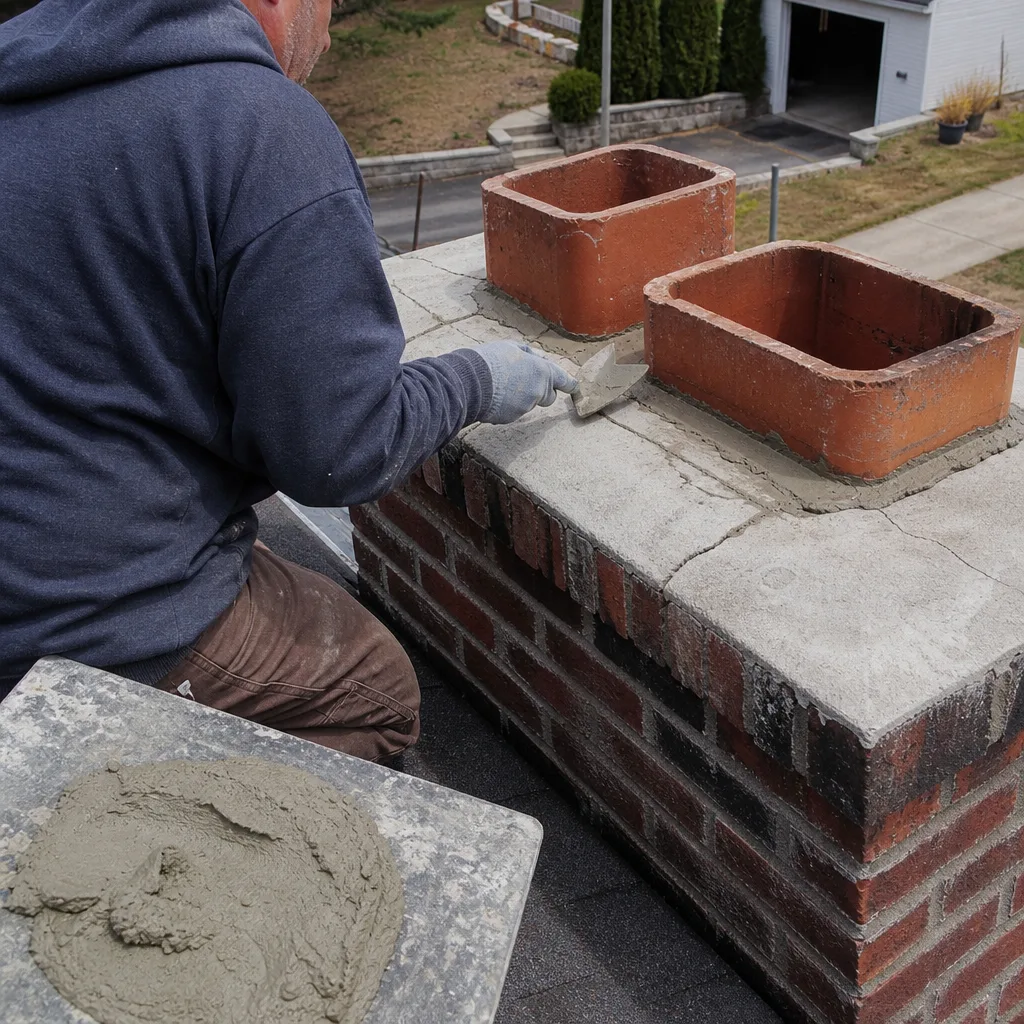
Not every warning sign demands emergency response. Misjudging the threshold, however, carries real consequences. Here’s how we categorize risk for Worcester homeowners.
Watch-and-Monitor (Schedule Inspection Within 30 Days)
- Stage 1 creosote accumulation - Normal; schedule at next convenience before burning season.
- Minor efflorescence, first occurrence - Document with photos; monitor for recurrence after next burns.
- Occasional mild odor on humid days - Indicates creosote presence; sweep will resolve.
- Single instance of back-puffing with identifiable cause - Unseasoned wood load, damper left partially closed, etc. Correct the cause; monitor.
- Small crown crack under 1/8 inch, no interior signs - Seal and re-inspect annually.
Schedule Prompt Service (Within 7-14 Days)
- Stage 2 creosote in any amount - Significantly increased fire risk; removal required before next use.
- Recurring back-puffing without clear cause - Suggests systematic draft problem.
- Visible spalling on exterior brick - Water intrusion is active and accelerating.
- Smoke rollout more than once - Draft failure is worsening; continued use risks CO exposure.
- Rust on damper or firebox floor - Water entry confirmed; source must be identified.
Stop Use Immediately - Call Before Next Fire
- Stage 3 glazed creosote - Chimney fire risk is acute. Every fire is a potential ignition event.
- Any smoke odor or CO detector activation during operation - Combustion gases are entering living space.
- Visible cracks in flue tile observed from below, or pieces of tile in the firebox - Liner breach allows direct contact between combustion gases and combustible framing.
- Chimney lean, separation from house, or fallen bricks - Structural collapse risk.
- Blue-tinted flame or chemical odor from gas appliance - Incomplete combustion producing carbon monoxide.
- Soot or smoke in the room when appliance is off - Severe draft reversal, possible blockage, or adjacent flue failure in multi-flue chimney.
The reasoning for the stop-use threshold on liner breaches: modern construction assumes a contained flue path. When that containment fails, the chimney’s fire rating is compromised. A standard masonry chimney with breached liner has no rated barrier between 2,000°F flue gases and wood framing - typically 3/4 inch of lath and plaster, or drywall, in Worcester’s older homes. The NFPA 211 standard we work to exists because this gap has caused fatal house fires.
Common Mistakes to Avoid
- Assuming a “clean” fireplace means a clean flue. The firebox is visible; the flue is not. We’ve removed 40-pound creosote deposits from flues whose fireboxes looked pristine. The camera scan is the only verification.
- Using chimney cleaning logs as a substitute for professional sweeping. These products may loosen light deposits but cannot remove Stage 2 or 3 creosote, and they leave chemical residues that alter combustion. They’re not recognized by NFPA 211 as equivalent to mechanical cleaning.
- Ignoring seasonal odor changes. Worcester homeowners often notice chimney smell only in summer, assume it’s “normal,” and forget by October. The odor is telling you deposits are present and active; address it before heating season demand peaks.
- Hiring based on lowest price without verifying what’s included. A “sweep” that doesn’t include camera inspection, written condition report, and photo documentation leaves you with no evidence if problems develop later. Our Haven Standard requires all three on every job.
- Delaying cap replacement to “save money.” A $200-$400 cap prevents $2,000-$8,000 in water damage repair. In Worcester’s climate, an uncapped flue is not a gamble - it’s a timeline.
- Assuming gas appliances don’t need inspection. Gas burns cleaner but produces corrosive condensation, especially in exterior chimneys. We’ve found deteriorated B-vent connectors and blocked termination caps in gas installations throughout Worcester’s condo conversions.
- DIY creosote removal with household tools. Without proper containment, HEPA filtration, and respiratory protection, disturbing Stage 2 or 3 creosote exposes your household to polycyclic aromatic hydrocarbons. Professional sweeps use vacuum systems with HEPA filtration and wear PPE for this reason.
When to Call a Professional
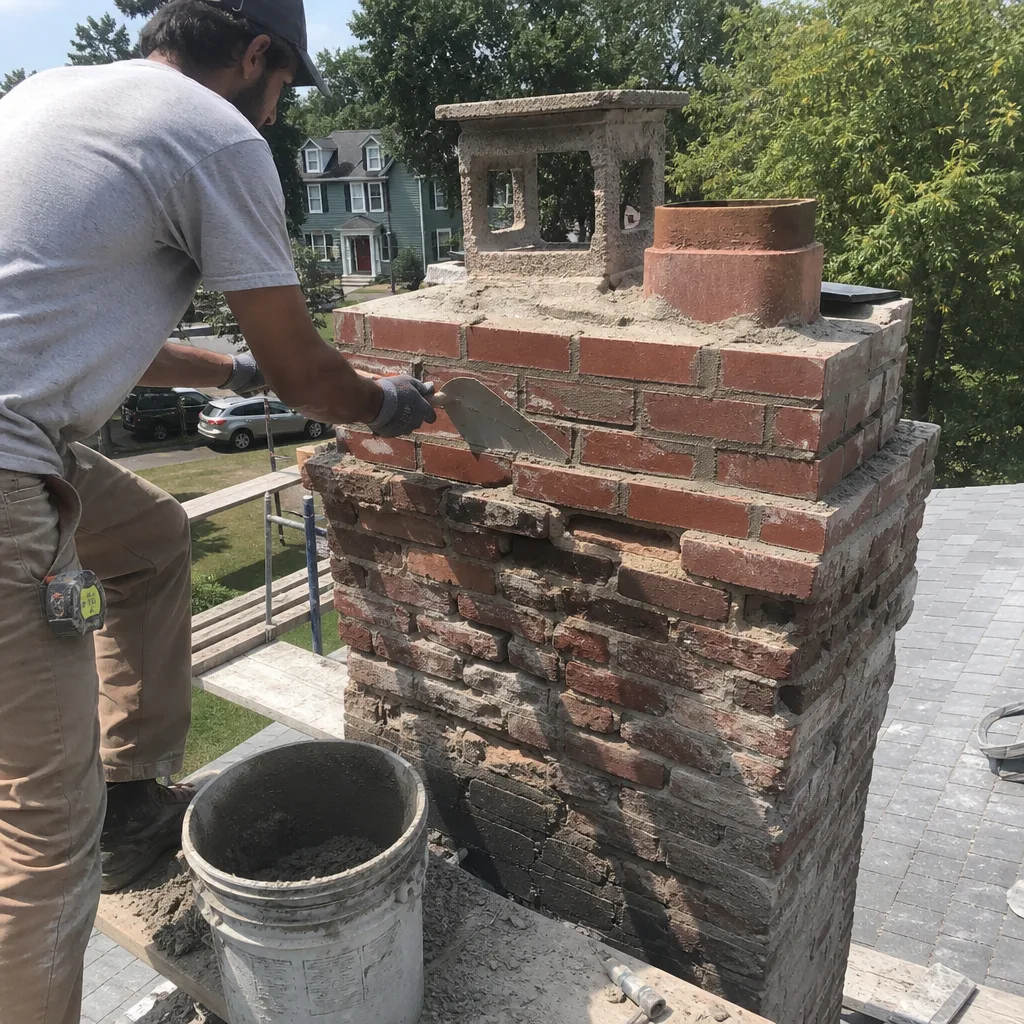
Call a certified chimney professional - or consult How to Hire a Chimney Cleaning Contractor in Worcester: A Step-by-Step Guide - when any stop-use threshold is met, when watch-and-monitor signs persist or worsen, or when you’re uncertain which category applies. The cost of inspection is modest; the cost of misjudgment is not.
Level Two Chimney Worcester offers free estimates throughout Worcester and surrounding towns. Every estimate includes a written scope, written price, and explanation of what we found - before any work begins, with no pressure to proceed. Our technicians are background-checked, uniformed, and licensed; you’ll receive a text when yours is en route. Call (978) 307-8288 to schedule, or visit our Level Two Chimney Worcester home page to learn more about the Haven Standard and our documented inspection process.
For Fireplace Services in Worcester including gas log installation, insert sizing, or firebox repair, we provide the same written-price-first approach with camera documentation of all work.
Frequently Asked Questions
A complete chimney sweep with NFPA 211 Level 2 camera inspection in Worcester typically costs $220-$380, depending on flue configuration, number of appliances, and accessibility. This includes the documented photo record required by Haven Standard Clause 4, written condition assessment, and written price for any recommended repairs. We do not charge separately for the camera inspection - it’s included as standard, not an upsell. Call (978) 307-8288 for an exact quote; estimates are free.
NFPA 211 recommends annual inspection for all chimneys, and cleaning when inspection finds 1/8 inch or more of creosote accumulation. For Worcester homeowners burning cordwood as primary heat, this usually means annual sweeping. Occasional fireplace users may extend to every two years if inspection shows minimal deposit. Gas appliance flues should be inspected annually for condensation damage, debris, or connector deterioration, even though creosote is not a factor.
A legitimate liner recommendation is backed by specific camera evidence: visible cracks, gaps between tile sections, missing tiles, or glazed creosote indicating prior overheating. At Level Two Chimney Worcester, we show you the footage and explain the failure mode before quoting replacement. Our free second opinion on any competitor’s written estimate exists precisely so you can verify. If a company recommends liner replacement without camera documentation you can see yourself, that’s the red flag - not the recommendation itself.
Skipped maintenance - a risk you can weigh against professional service using our DIY vs Professional Chimney Cleaning guide - allows creosote accumulation, which increases chimney fire risk and can crack the liner. Cracked liners allow combustion gases and sparks to contact combustible framing. Water intrusion from uncapped or unsealed tops destroys masonry from inside, leading to rebuild rather than repair. In Worcester’s market, a neglected chimney that needs full rebuild and liner replacement can exceed $8,000-$15,000, versus $200-$400 annual maintenance. The financial case for maintenance is straightforward; the safety case is more important.
Warm, humid air activates creosote deposits that were inert during dry winter heating. The odor is creosote’s volatile compounds off-gassing - a chemical signal that deposits are present and available to fuel a chimney fire. Summer is actually the ideal time to address this: sweep availability is better, pricing is stable, and the system is clean before fall burning begins. Worcester’s July humidity regularly triggers these calls; we encourage homeowners to think of summer odor as useful early warning, not nuisance, and to explore more guides & resources on seasonal chimney care.
Hairline cracks in refractory panels or firebrick are common from thermal cycling and may be monitorable. Cracks wider than 1/8 inch, cracks that show daylight through to the chimney structure, or missing pieces require professional evaluation before next use - these breaches can allow combustion gases or sparks to escape the firebox enclosure. We document firebox condition with photos during every Level 2 inspection and specify when repair with refractory cement or panel replacement is needed versus when monitoring is appropriate.
The Bottom Line
Chimney warning signs are legible if you know what to observe. Draft behavior, smoke color, deposit texture, and staining pattern each point to specific component conditions - liner integrity, crown function, flue blockage, or moisture intrusion. The homeowner who reads these signs early schedules maintenance; the one who waits schedules repairs. Worcester’s climate and housing stock make proactive inspection especially valuable: freeze-thaw cycles accelerate masonry damage, and older neighborhoods contain decades of original construction now at end of service life. Document what you observe, photograph what you find, and get a camera inspection before the signs you can see become damage you can’t ignore.
Written by Corrine Halstead, Owner at Level Two Chimney Worcester, serving Worcester since 2009.