
Last updated September 22, 2026
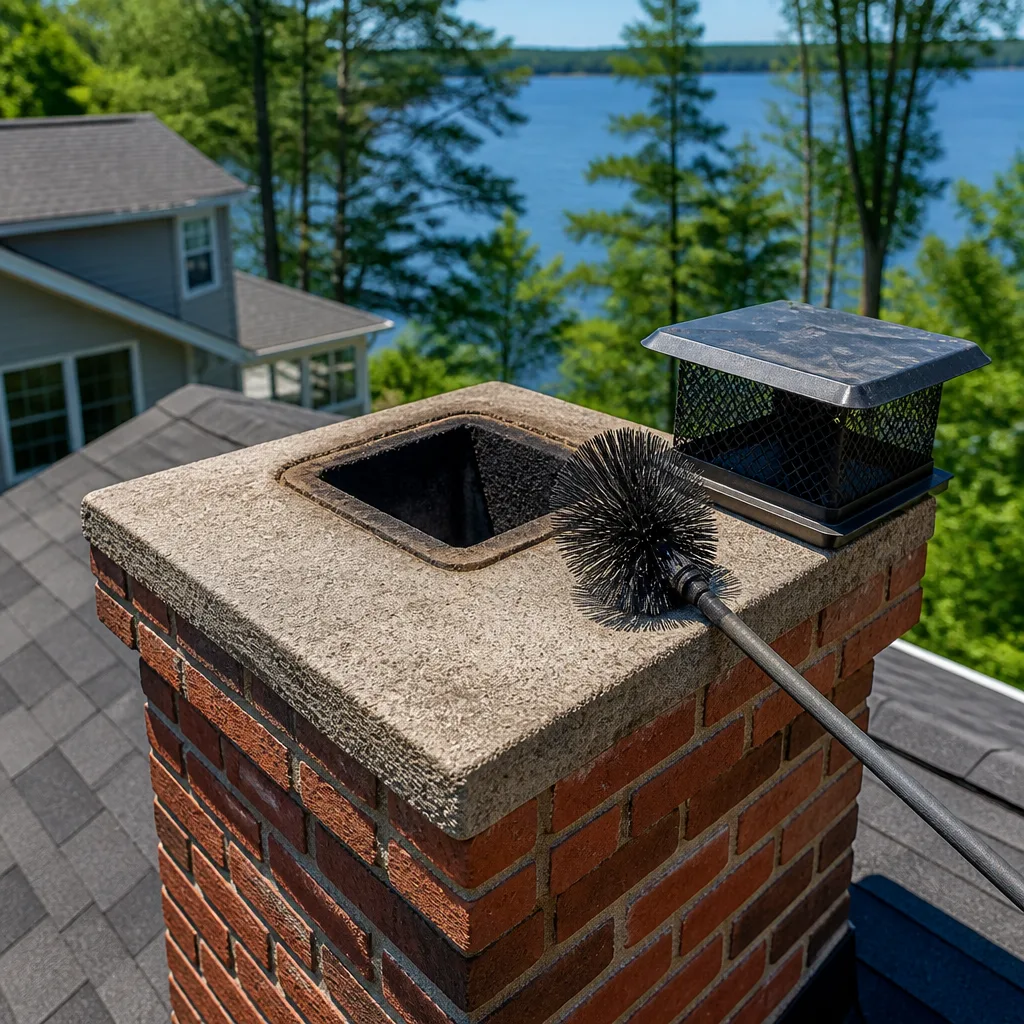
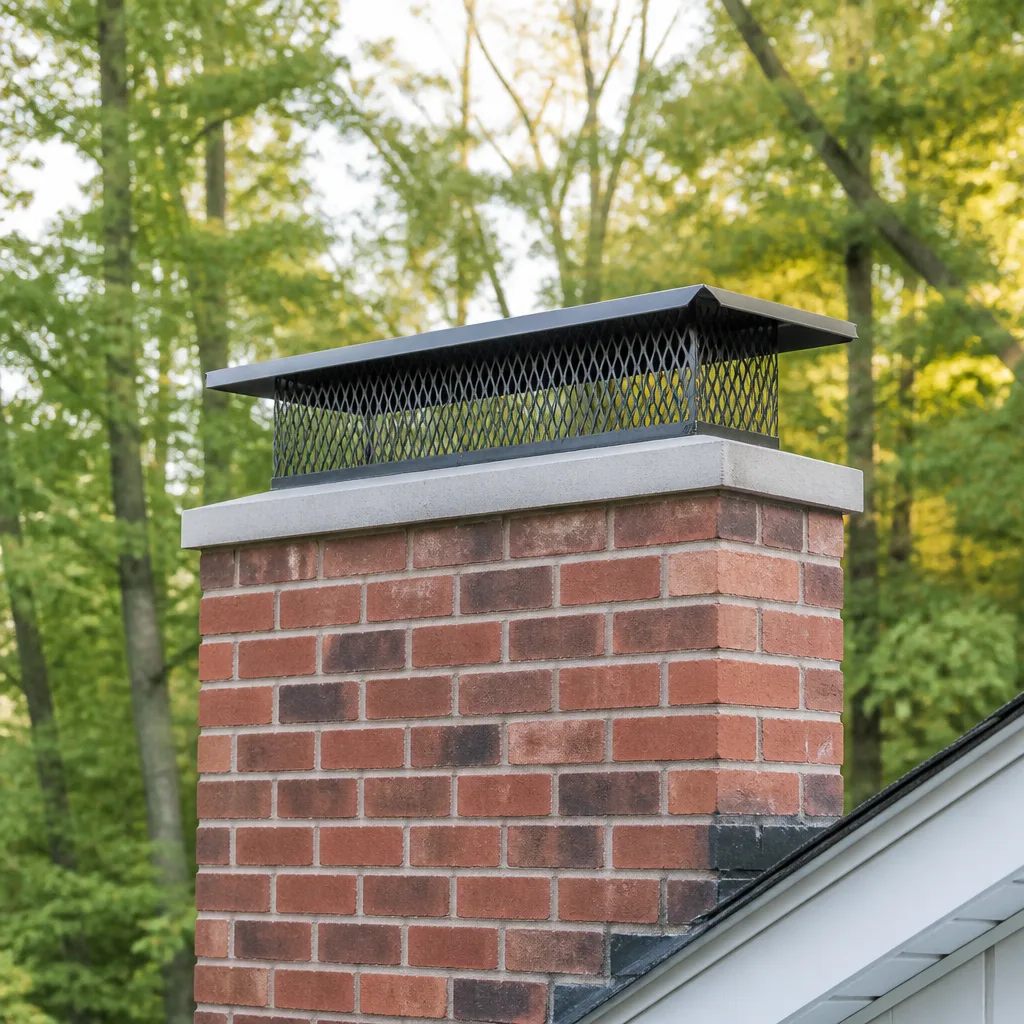
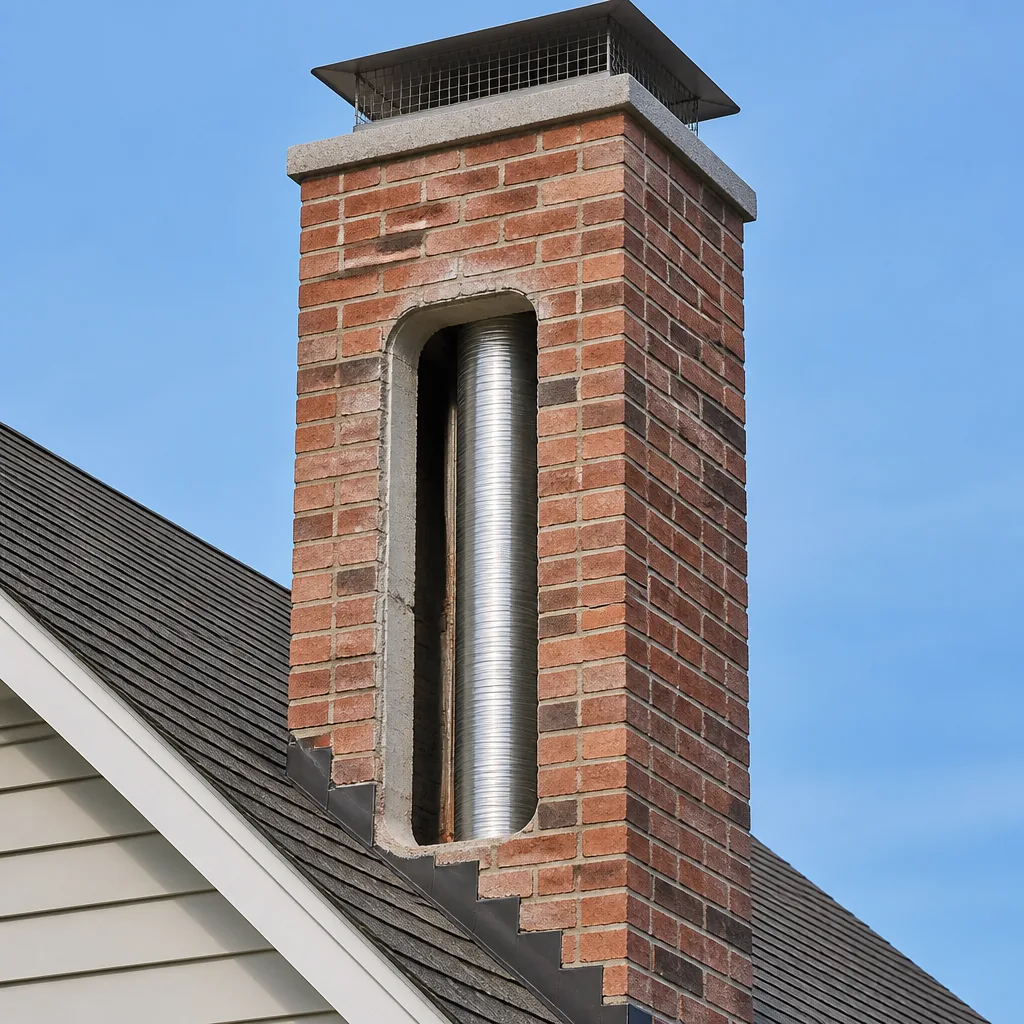
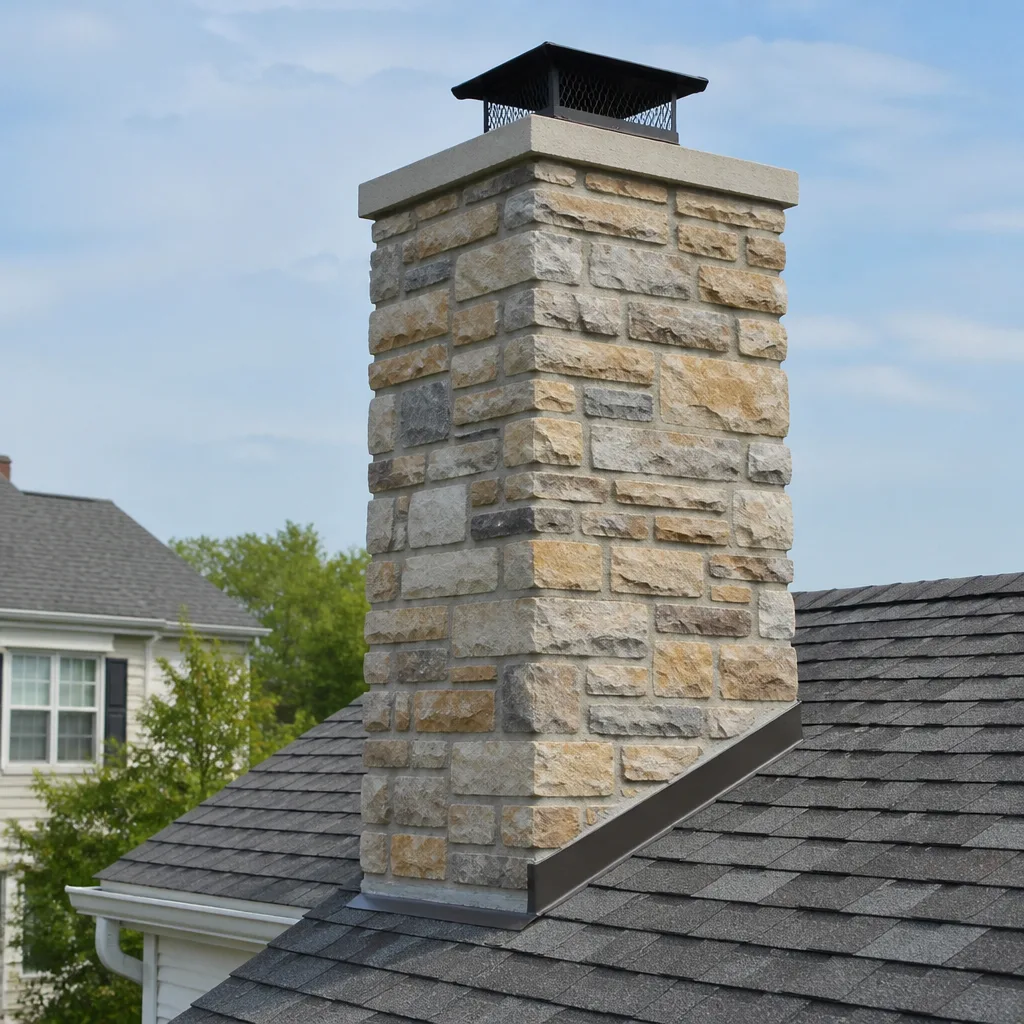
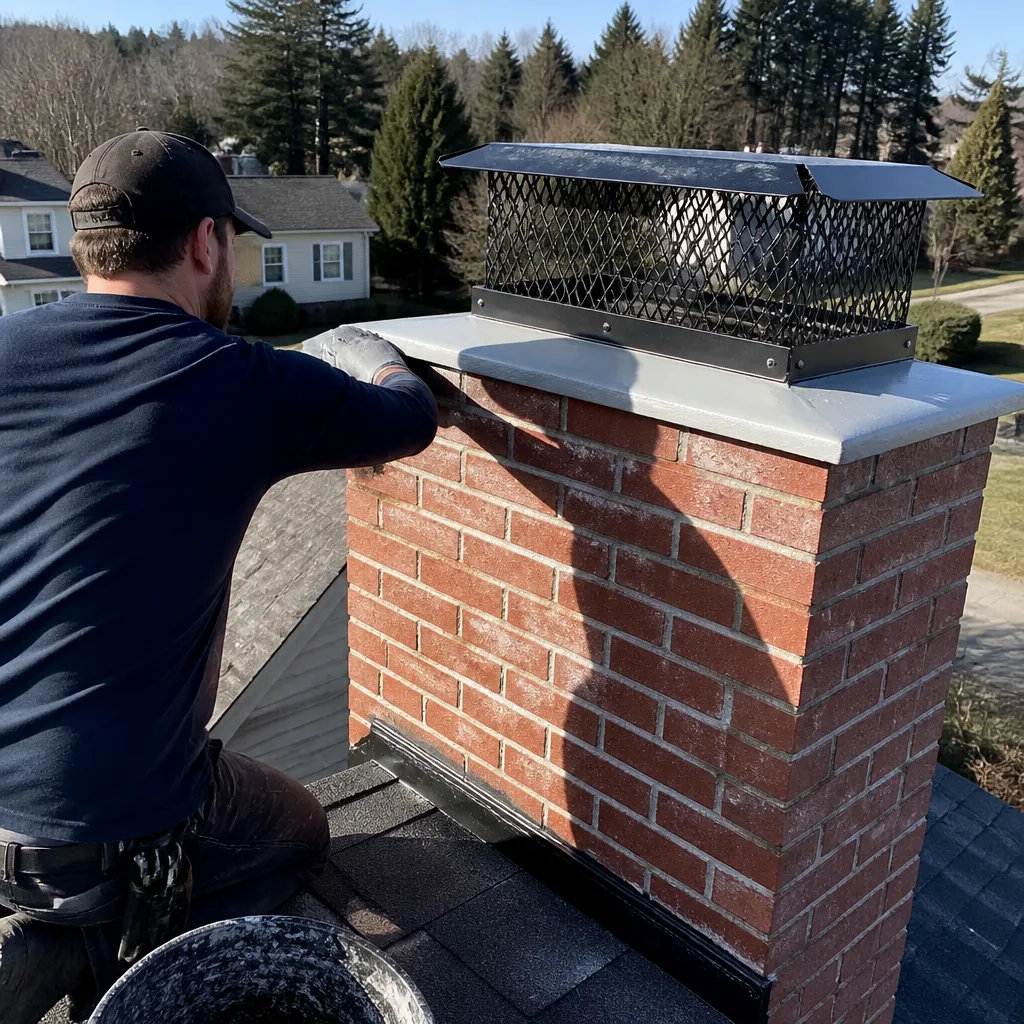
Level 1 sweep and inspection to the NFPA 211 annual standard - flue, crown, cap, and flashing checked and photographed
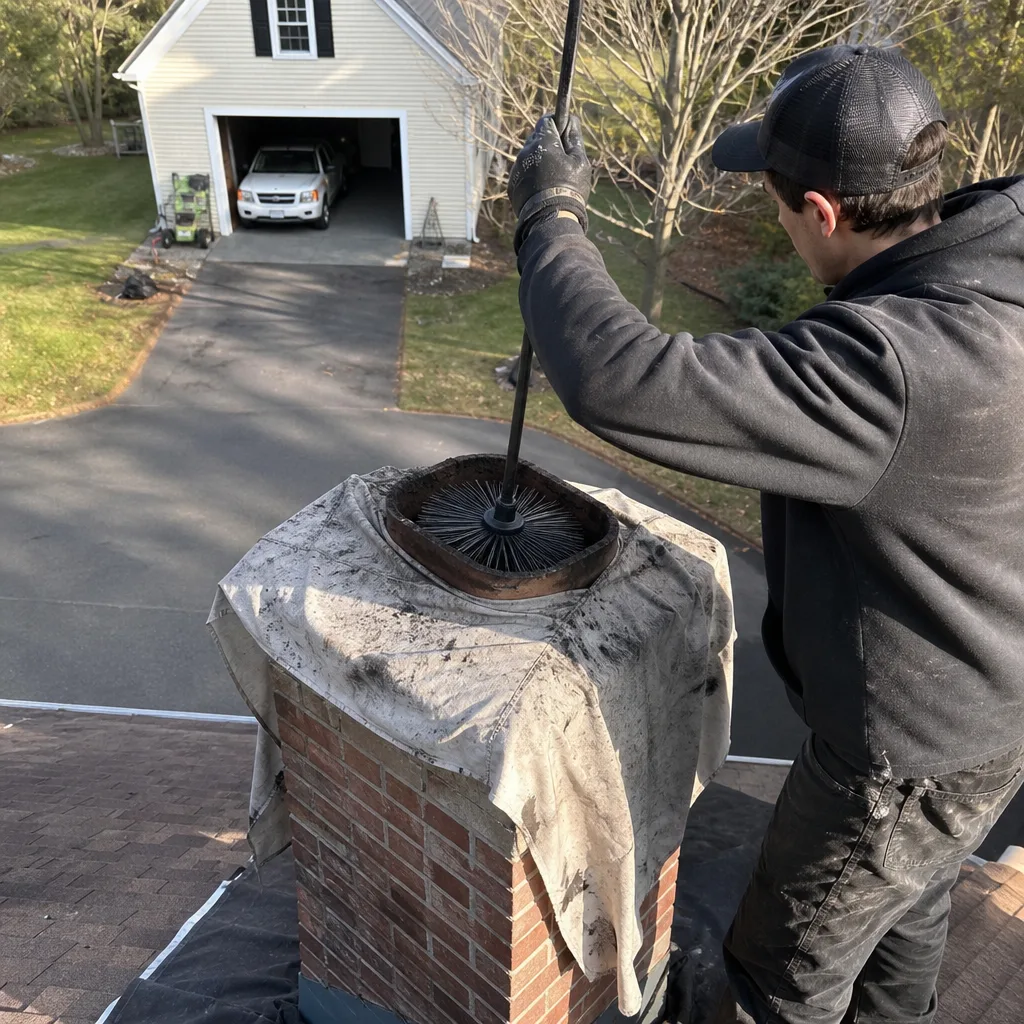
Chimney sweep logs do not sweep chimneys. They loosen some creosote - which then falls where a brush and vacuum still have to collect it.
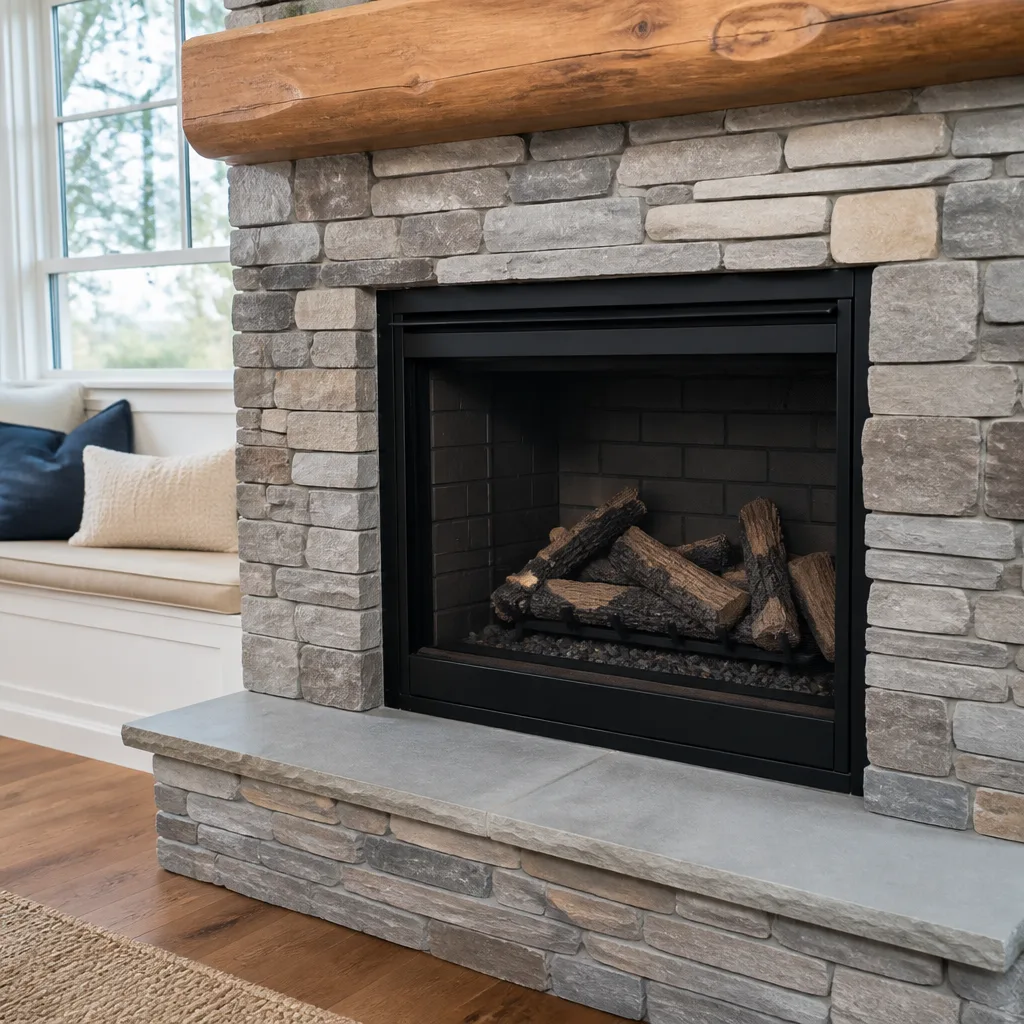
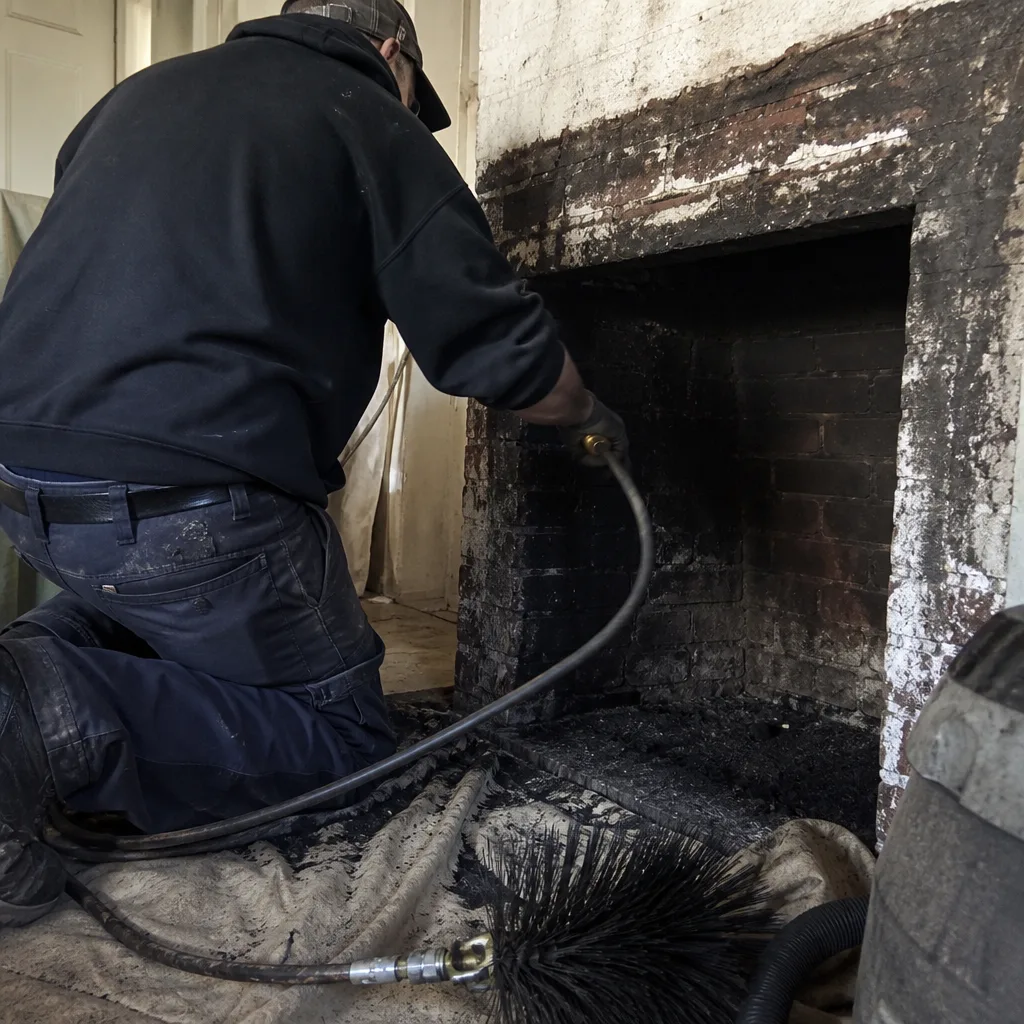 Before
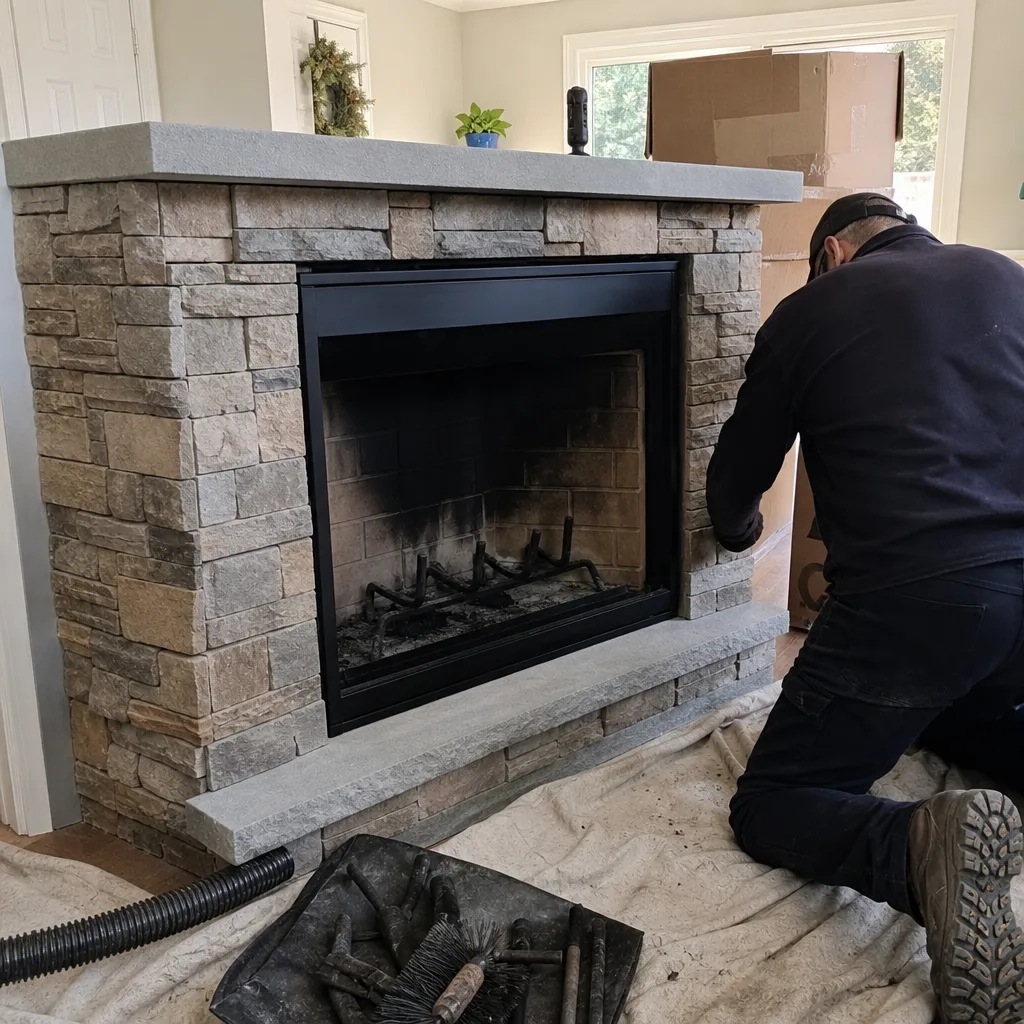 After
After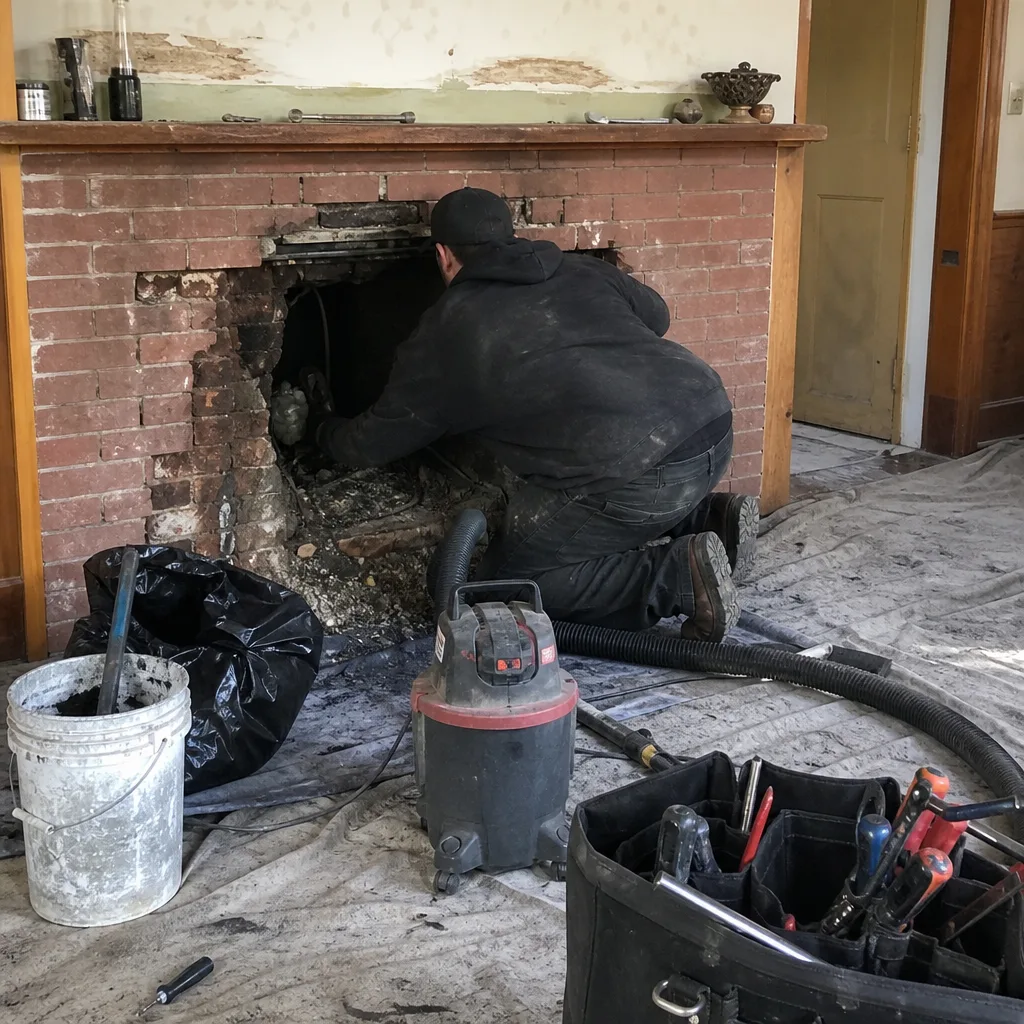 Before
 After
After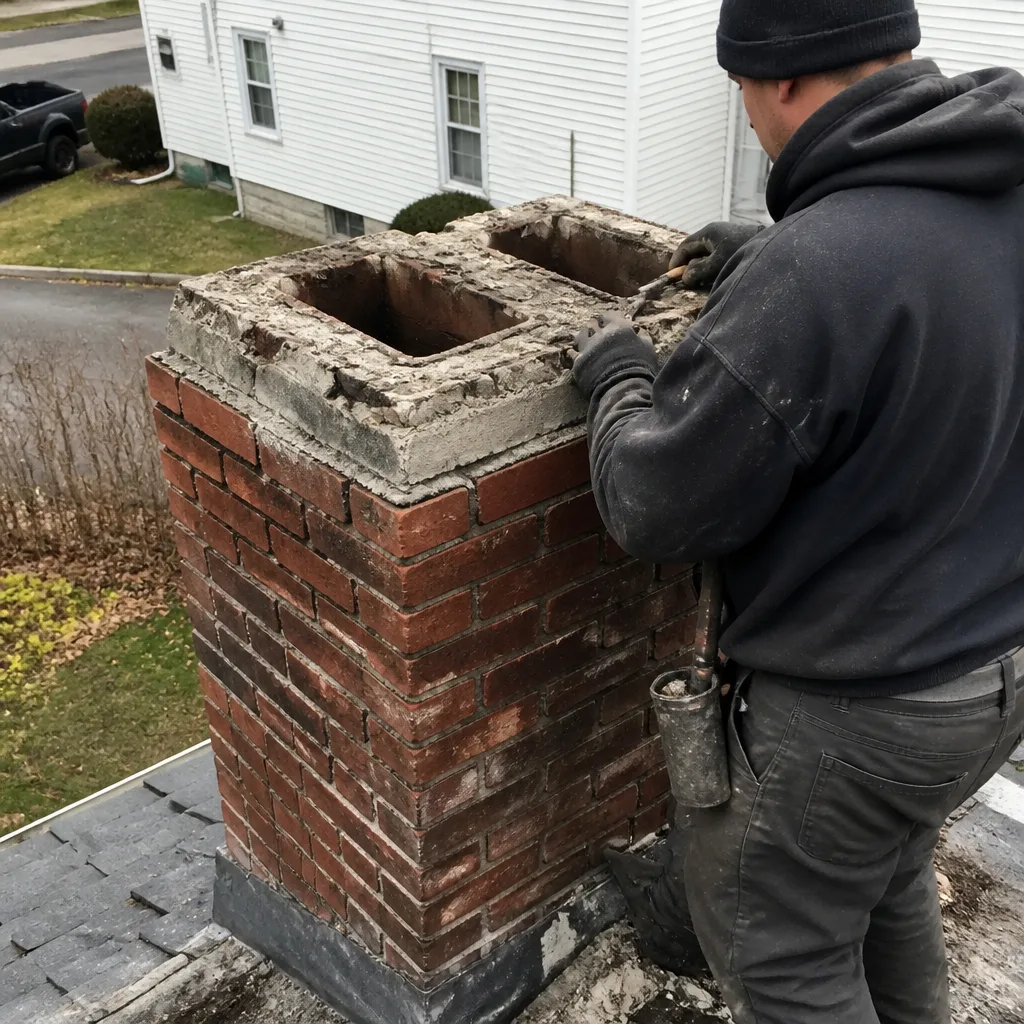 Before
 After
AfterSeasonal Chimney Cleaning Care for Worcester: Year-Round Homeowner’s Guide
Here’s something that surprises most Worcester homeowners: the Chimney Safety Institute of America says clean your chimney once a year. But in Worcester, where we average 60 inches of snow, 28 nights below 20°F, and summer humidity that climbs above 70% for weeks at a time, that annual cycle isn’t a simple check-box. It’s a moving target. The freeze-thaw cycles of January crack mortar joints that were fine in October. The humidity of July reactivates creosote deposits that seemed dormant in March. And the first fire of November often reveals liner damage that contracted during summer heat and never reseated properly. This guide tracks what Worcester’s specific climate does to your chimney system season by season, and what service actually fixes the damage each season produces.
Quick Answer
In Worcester, chimney care follows a four-season calendar: fall demands a Level 2 camera inspection before first fire to catch post-summer liner contraction; winter requires mid-season draft monitoring for smoke rollout and reversal; spring opens the freeze-thaw damage assessment window for mortar and crown repair; summer odor signals Stage 2 creosote activation under humidity and should prompt cleaning before fall demand peaks. See our Chimney Cleaning & Sweep Maintenance Checklist for Worcester Homeowners for the complete seasonal sequence. Sequencing matters - inspecting freeze-thaw damage in July or cleaning humidified creosote in January means using the wrong tool at the wrong time.
Table of Contents
- Fall: What to Confirm Before Your First Fire
- Winter: Mid-Season Monitoring and Emergency Signals
- Spring: The Freeze-Thaw Damage Assessment Window
- Summer: Odor as Diagnostic Signal
- How to Sequence Cleaning and Inspection Across the Calendar
- What Seasonal Chimney Service Costs in Worcester
- Common Mistakes to Avoid
- When to Call a Professional
- Frequently Asked Questions
 Before
 After
AfterFall: What to Confirm Before Your First Fire
The week before Thanksgiving in Worcester is our busiest call volume of the year. Homeowners light their first fire, smell something odd, or see smoke where it shouldn’t be, and they panic. The smart move is to schedule your inspection in September or early October, before the rush and before the temperature drops enough that you’re tempted to “just try one fire” without checking.
Here’s what Worcester’s summer specifically does to your chimney system. From June through August, masonry flue liners undergo thermal expansion in sustained heat. In older Worcester homes - and we see this constantly in neighborhoods like Tatnuck, Indian Lake, and the triple-deckers of Vernon Hill - clay tile liners that were already stressed by decades of heating cycles expand slightly during hot months. When September cools, they contract. If a tile was already cracked or a joint was loosening, that contraction often leaves a gap that wasn’t visible during last spring’s inspection. The first hot fire of fall sends combustion gases through that gap into the chimney structure itself.
This is why a flashlight look from the firebox isn’t enough. Under Chimney Cleaning & Sweep in Worcester, we perform NFPA 211 Level 2 inspections as standard - camera down the flue, documented photo record, written findings. The camera catches what the eye cannot: hairline cracks in tile, joint separation of 1/8 inch or more, and the early spalling (surface flaking) that indicates freeze-thaw damage waiting to worsen.
Specific fall checklist for Worcester homeowners:
- Schedule before October 15. After this date, appointment availability compresses and first-fire urgency leads to skipped steps.
- Request camera documentation. Ask to see the flue liner footage yourself. At Level Two Chimney Worcester, Clause 4 of the Haven Standard requires we provide this - not as an upgrade, but as baseline documentation.
- Check the crown and cap for summer debris. Worcester’s mature oak canopy drops acorns and leaf matter that clog caps. A blocked cap forces draft reversal.
- Verify damper operation after months of disuse. Rust from summer humidity can seize the mechanism.
- Confirm creosote classification. Stage 1 (sooty, brush-removable) is normal. Stage 2 (shiny, hardened flakes) requires rotary cleaning. Stage 3 (glazed, tar-like) is a fire hazard and needs immediate professional removal - never attempt this yourself.
The fall inspection should also include a written price for any needed work before that work begins. This is Haven Standard Clause 1: written scope, written price, written warranty. No exceptions. We’ve completed more than 38,000 chimney inspections and cleanings since 2009, and every one followed this protocol.
Winter: Mid-Season Monitoring and Emergency Signals
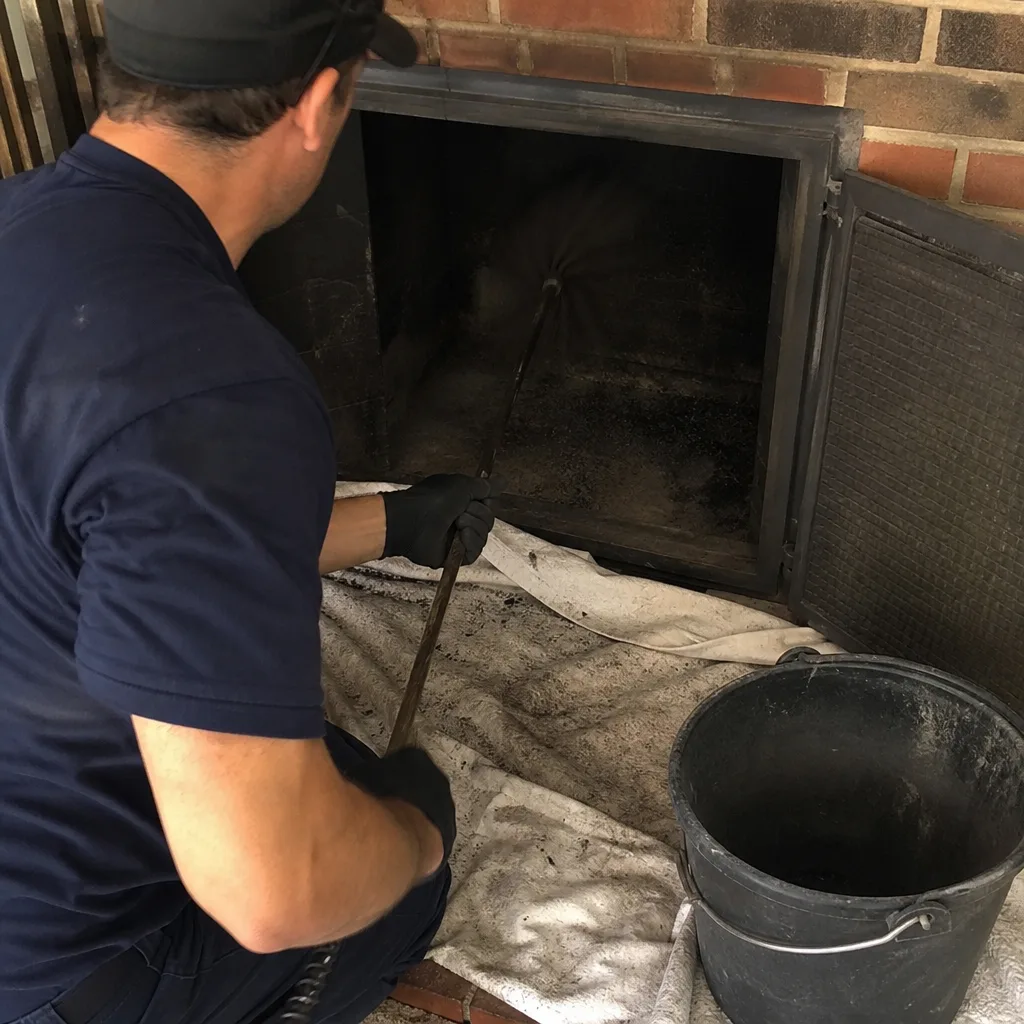
January in Worcester averages 14 nights below 10°F. The chimney you cleared in October is now experiencing thermal stress you couldn’t replicate during fall inspection. Masonry contracts further. Metal components - dampers, caps, stainless steel liners - shrink at different rates than surrounding brick. And the combustion byproducts you’re producing change: colder outdoor air creates stronger draft, but it also cools flue gases faster, increasing condensation and accelerating creosote buildup if your wood isn’t fully seasoned.
Most Worcester homeowners assume once the fall cleaning is done, winter is hands-off. That’s incorrect for three specific scenarios we see every January and February:
Draft reversal and smoke rollout. If smoke enters your living space when you open the firebox door, or if you smell smoke in upstairs bedrooms hours after the fire dies, this isn’t “a windy day.” It’s a pressure imbalance, often caused by ice damming at the cap, a blocked flue from collapsed liner debris, or negative pressure from exhaust fans competing with your chimney. In Worcester’s tight older housing stock - think the Victorian conversions on Elm Street or the 1920s colonials in Burncoat - whole-house air sealing and powerful range hoods can overpower a marginal chimney draft.
Spalling debris in the firebox. If you find flakes of brick or mortar among your ashes, freeze-thaw damage is actively disintegrating your chimney’s interior. This requires immediate inspection - not next fall, now - because structural failure progresses faster under active heating cycles.
Carbon monoxide alarm activation. Any CO alarm event connected to fireplace use is an emergency. Not “open a window.” Not “see if it happens again.” Evacuate and call for inspection. Worcester’s 2018 adoption of updated carbon monoxide detector requirements for rental properties doesn’t cover owner-occupied homes with the same stringency, but the physics are identical: a compromised flue liner or blocked chimney can vent lethal gases into living space.
Winter is not cleaning season for most Worcester chimneys - it’s monitoring season. But if you didn’t clean in fall, or if you detect any of the signals above, mid-winter service is available. We don’t recommend DIY cleaning in cold weather: metal tools on frozen flue tiles increase fracture risk, and ice-layered roofs make ladder work genuinely dangerous. Our background-checked, uniformed technicians carry license information and text when en route - Haven Standard protocols that matter more when weather complicates everything.
Spring: The Freeze-Thaw Damage Assessment Window
March and April in Worcester present a narrow, optimal window for structural assessment. Here’s why the timing matters scientifically.
Your chimney has just completed 120+ days of heating cycles, thermal expansion, and - critically - freeze-thaw stress. Water enters micro-cracks in mortar during January thaws, expands when temperatures drop again, and widens those cracks incrementally. By late March, the cumulative damage is at its maximum visible state, but before spring rains and summer humidity begin masking cracks with efflorescence (white mineral deposits) or biological growth.
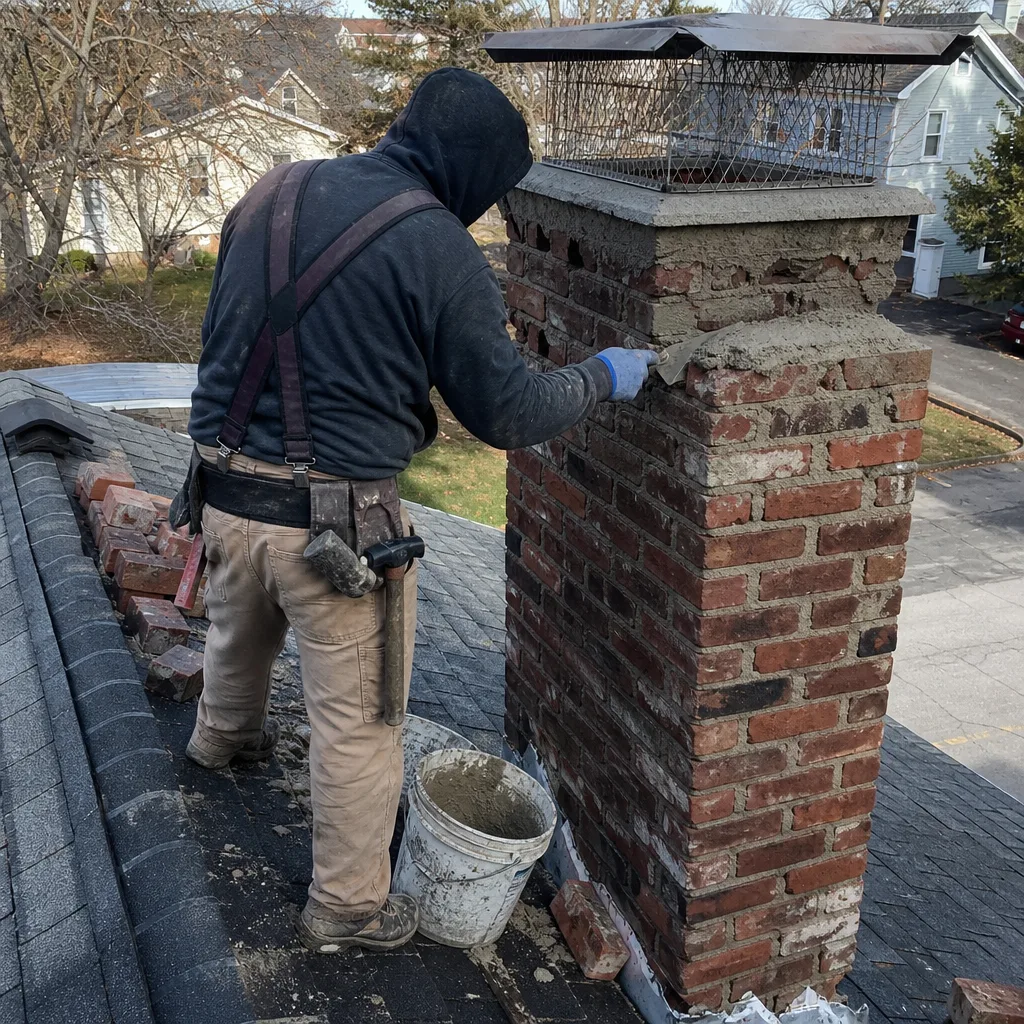
This is when we catch mortar joint failures before they become liner failures. A joint that’s opened to 3/16 inch in spring will likely admit enough water by next January to spall surrounding brick and destabilize the liner it supports. Repair that joint with proper tuckpointing in April, and you’ve prevented a $3,000-$6,000 liner replacement in two years.
Spring inspection priorities specific to Worcester:
- Crown integrity. The concrete crown at your chimney top is your first defense against water entry. After winter, look for cracks wider than 1/16 inch, or separation from the flue tile. In Worcester, we see accelerated crown failure on homes without cricket flashing (the peaked diversion structure behind chimneys on sloped roofs). Water pools, freezes, and undermines the crown from below.
- Flashing condition at roofline. Ice dam season in Worcester lifts flashing tabs, creates gaps, and drives water behind step flashing. Spring is the only time to assess this without snow cover obscuring the detail.
- Smoke chamber and firebox. The area above your damper and the brick surfaces of the firebox take the most direct thermal abuse. Spring inspection with a chimney camera can reveal parging (smoke chamber lining) degradation that’s invisible from below.
- Exterior masonry survey. Walk around your chimney at ground level with binoculars. Spalled brick faces, missing mortar to finger depth, or leaning indicate structural issues requiring Chimney Repair in Worcester before next heating season.
Spring is also the ideal season for liner work if your inspection reveals need. Installation conditions are moderate, materials cure properly, and you’re not under the pressure of impending first fire. We source liner materials from DuraFlex, Olympia Chimney, and Famco through Haven’s buying network - specification-grade products, not generic stock. Every liner installation includes camera verification of proper seating and a written warranty under the 365-Day Done Right Promise.
Summer: Odor as Diagnostic Signal
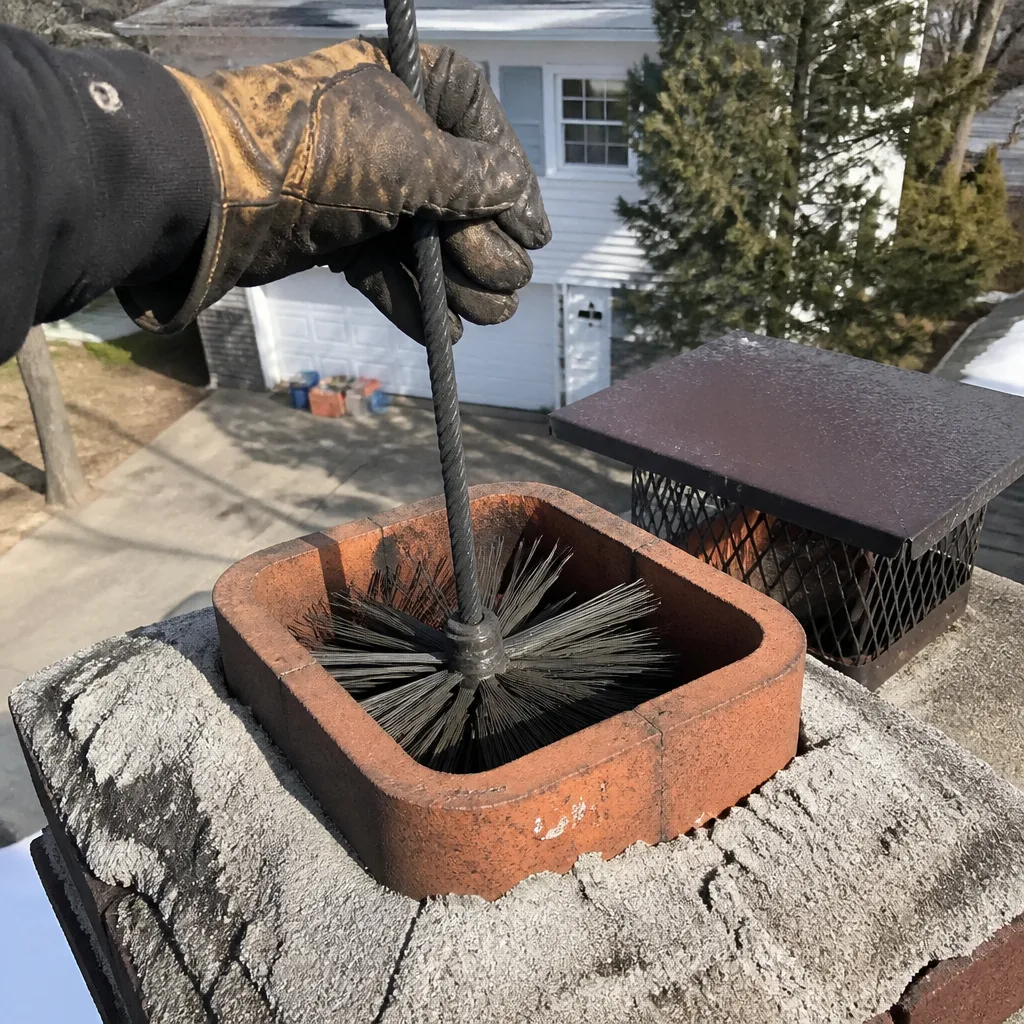
The complaint arrives almost verbatim every July: “Our chimney smells like a campfire in a dumpster.” Worcester homeowners assume this is normal summer humidity, or they blame neighborhood barbecues. It’s neither. Chimney odor in summer is a specific diagnostic signal with specific causes that demand specific responses.
The mechanism is straightforward. Stage 2 creosote - the shiny, hardened flakes that resist brushing - contains volatile organic compounds. In winter, these are drawn up the flue by active draft and dispersed. In summer, when the flue is stagnant and outdoor humidity exceeds 65% (common in Worcester from late June through August), moisture reactivates these compounds. They off-gas into your home through the firebox, or through any gap in the damper seal.
The odor tells you three things:
- You have Stage 2 or Stage 3 creosote remaining. Stage 1 creosote doesn’t produce significant odor. The smell intensity correlates with deposit severity.
- Your damper seal is incomplete. A properly sealing top-sealing damper or tight-throat damper blocks most odor migration. Persistent smell indicates damper failure or absence.
- Negative pressure in your home is drawing from the chimney. Central air conditioning, exhaust fans, and stack effect in multi-story Worcester homes create suction that pulls chimney air downward.
Here’s why summer cleaning matters strategically. Creosote that off-gases in humidity is degrading further - the volatile compounds that produce odor are the same compounds that, when heated in fall, combust as chimney fires. Cleaning in July or August removes this fuel before it’s reheated. It also eliminates the odor source before you host summer guests who’ll remember your house as “the one that smelled like a fireplace in August.”
More practically, summer scheduling at Level Two Chimney Worcester home offers flexibility that disappears by October. Appointments are available within days, not weeks. And the documented photo record from your summer service becomes the baseline for your fall inspection - we can compare exactly what changed across seasons.
For homes with persistent odor despite cleaning, we evaluate chimney cap and damper upgrades. Gelco manufactures top-sealing dampers that seal at the chimney top rather than the throat, blocking odor, debris, and animal entry simultaneously. Installation in summer means testing and adjustment before fall demand.
How to Sequence Cleaning and Inspection Across the Calendar
The most expensive mistake we see in Worcester isn’t skipping service - it’s using the right service at the wrong time. A spring inspection that doesn’t include freeze-thaw damage assessment misses the season’s actual threat. A summer cleaning that doesn’t address odor’s root cause (damper failure, negative pressure) means the problem returns next July. Here’s the sequence we’ve refined across 38,000+ visits since 2009:
| Season | Primary Service | What It Catches | What to Avoid |
|---|---|---|---|
| Fall (Sept-Oct) | Level 2 inspection + cleaning | Post-summer liner contraction, creosote buildup, cap/debris blockages | Scheduling after first fire; accepting flashlight-only inspection |
| Winter (Nov-Mar) | Monitoring; emergency response only | Draft reversal, spalling debris, CO risk | DIY cleaning on frozen components; ignoring smoke rollout |
| Spring (Mar-Apr) | Structural assessment + repair | Freeze-thaw mortar damage, crown cracks, flashing failure | Delaying until “after mud season” - May rains mask damage |
| Summer (May-Aug) | Deep cleaning + odor remediation | Stage 2/3 creosote, damper seal failure, negative pressure | Treating odor as “just humidity” without investigating cause |
The critical principle: each season’s conditions produce distinct damage modes, and each damage mode is most detectable during the season that follows. Fall inspection catches summer’s thermal contraction. Spring assessment catches winter’s freeze-thaw destruction. Summer cleaning catches the creosote that winter’s fires produced and spring’s humidity activated.
For Worcester’s specific housing stock, we add neighborhood-level nuance. In Grafton Hill’s pre-1940s housing, we prioritize liner condition given original clay tile aging. In newer West Tatnuck construction with factory-built fireplaces, we emphasize manufacturer-specified clearances and metal chimney chase integrity. In the converted mill worker housing of Quinsigamond Village, multiple flues serving multiple appliances create cross-draft complications that require specific testing protocols.
What Seasonal Chimney Service Costs in Worcester
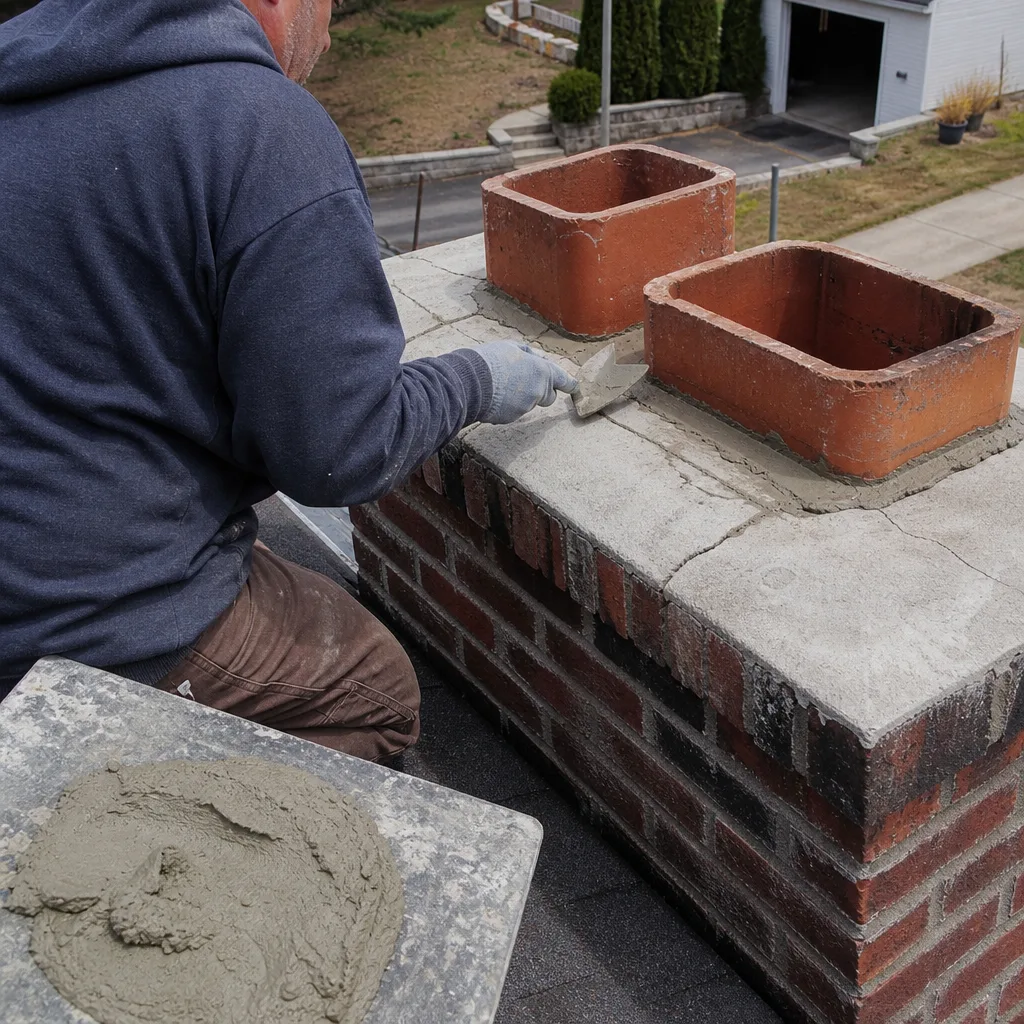
We put prices on the page because “call for a quote” wastes your time and ours. Here’s what Worcester homeowners pay for seasonal chimney services, based on 2024-2025 market rates in Worcester County - see our Chimney Cleaning Cost Breakdown: The Worcester Homeowner’s Reference for 2026 for full pricing context:
| Service | Typical Range | What’s Included |
|---|---|---|
| Level 2 chimney inspection with camera scan | $249-$349 | NFPA 211 Level 2 inspection, flue camera documentation, written findings report, photo record (Haven Standard Clause 4) |
| Chimney cleaning / sweep (Stage 1 creosote) | $189-$279 | Brush and vacuum cleaning of flue, smoke chamber, firebox; debris removal; basic operational check |
| Rotary cleaning (Stage 2 creosote) | $329-$459 | Mechanical whipping of hardened deposits, camera verification of clean flue, written completion record |
| Glaze removal (Stage 3 creosote) | $589-$849 | Chemical pretreatment, mechanical removal, multiple camera passes, extended appointment; fire hazard mitigation documentation for insurance |
| Crown repair / resurfacing | $425-$875 | Crack sealing or full resurfacing with crown-specific mortar, slope correction, overhang restoration |
| Tuckpointing (per square foot) | $18-$32 | Grind and repoint failed mortar joints, color match, waterproofing treatment |
| Stainless steel liner installation | $2,800-$5,400 | Insulated flexible liner, proper sizing per appliance, top plate and connector, camera verification, written warranty |
Every price above is delivered in writing before work begins - Haven Standard Clause 1, no exceptions. We also offer a Free Second Opinion on any competitor’s written estimate. Bring us their scope and price; we’ll review the camera footage if available, or re-inspect if needed, and tell you exactly where the discrepancy lies.
Materials matter for durability in Worcester’s climate. We specify HeatShield for crown and smoke chamber resurfacing - a cerfractory (ceramic-refractory) compound that withstands thermal cycling better than standard mortar. For liner installations, DuraFlex and Olympia Chimney products carry the specific temperature ratings and corrosion resistance that factory-built systems in humid New England require.
Common Mistakes to Avoid
- Cleaning in January because you “forgot” in fall. Frozen flue tiles fracture under mechanical cleaning. Ice-layered roofs make safe access impossible. Schedule for spring and use the fireplace minimally with a CO detector active.
- Accepting a flashlight inspection as sufficient. In Worcester’s older housing, 40% of liner damage we find is invisible from the firebox. Camera documentation is the only verification that matters - and it’s required under Haven Standard Clause 4 on every job we perform.
- Ignoring summer odor as “just humidity.” The smell is diagnostic. It indicates active creosote degradation and likely damper failure. Both worsen with time and heat.
- Repairing the crown without addressing the cricket. On sloped roofs without proper diversion flashing, water returns to undermine the new crown within three years. We see this repeatedly on Worcester’s 1890s-1920s housing stock.
- Scheduling liner replacement in October. Fall demand means rushed installation, limited material availability, and no margin for curing time before first fire. Spring or summer installation allows proper verification and baseline documentation.
- Assuming all sweeps include camera inspection. Many Worcester-area competitors charge $89-$129 for “sweep and inspect” that’s brush-only with a flashlight look. Ask specifically: “Will I receive flue camera footage and a written report?” If the answer is no or “for an additional fee,” you’re not getting a Level 2 inspection.
- Using unseasoned wood to “save money.” Wood with moisture content above 20% produces cooler fires, incomplete combustion, and accelerated Stage 2/3 creosote formation. In Worcester’s climate, wood needs 18-24 months of covered drying. The “free” wood from the neighbor’s downed oak costs you in cleaning frequency and fire risk.
When to Call a Professional
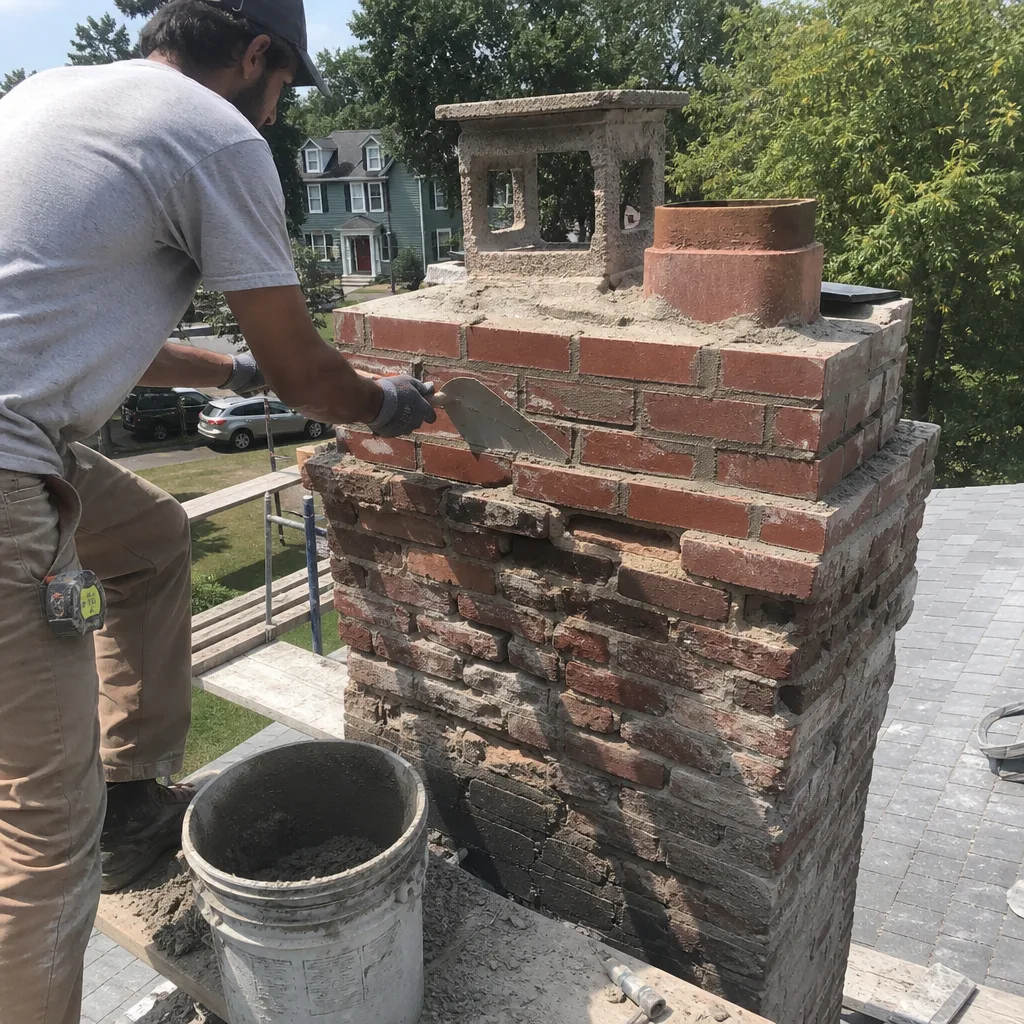
Call for immediate inspection if you detect smoke rollout, persistent draft reversal, carbon monoxide alarm activation, or debris in the firebox. These are not maintenance-deferrable conditions.
Schedule proactive service when: summer odor becomes noticeable; visible exterior masonry damage appears; it’s been more than 12 months since your last Level 2 inspection; you’re purchasing a home and need pre-sale documentation; or your insurance carrier requests proof of maintenance.
Level Two Chimney Worcester offers free estimates throughout Worcester - call (978) 307-8288. Calls are answered by a live person, 24 hours a day, 7 days a week. Not voicemail. Not a web form. A real person who can schedule your appointment, explain our process, and confirm that your technician will arrive with license information displayed, uniformed, and with a text notification when en route. Every estimate includes a written price before work starts, a documented photo record on completion, and the 365-Day Done Right Promise: if it’s not done right, we make it right. Browse our more guides & resources for additional homeowner education.
Frequently Asked Questions
A standard chimney sweep in Worcester costs $189-$279 for Stage 1 (sooty) creosote, while hardened Stage 2 deposits requiring rotary cleaning run $329-$459. Every Level Two Chimney Worcester appointment includes NFPA 211 Level 2 camera inspection and a documented photo record as standard - not as an upgrade. Call (978) 307-8288 for an exact quote; estimates are free.
The CSIA recommends annual inspection, but Worcester’s climate demands seasonally aware service: inspection and cleaning each fall before first fire, structural assessment each spring for freeze-thaw damage, and mid-season monitoring for draft issues. Homes burning more than three cords of wood annually, or burning unseasoned wood, may need additional cleaning. We’ve documented the specific wear patterns across Worcester’s neighborhoods since 2009.
No liner replacement is recommended without camera evidence you can see yourself. At Level Two Chimney Worcester, we show you the flue footage, explain the defect classification, and provide a written scope with exact pricing before any work begins. Some conditions - minor tile cracks with intact surrounding structure - can be monitored annually. Others - separated tiles, visible gaps to chimney structure, or glazed creosote bonding to liner surfaces - require prompt action. The camera doesn’t lie, and we don’t recommend work without documentation you can verify.
Skipped cleaning allows creosote accumulation to progress from Stage 1 (brush-removable) to Stage 2 (hardened, rotary-required) to Stage 3 (glazed, tar-like, highly combustible). Stage 3 creosote ignites at approximately 451°F - temperatures routine in normal fireplace operation - and burns at over 2,000°F, damaging liners and potentially spreading to structure. In Worcester’s tight housing stock with shared walls in neighborhoods like Main South and Bell Hill, this risk extends beyond your unit. Annual cleaning prevents this progression entirely.
Summer humidity reactivates volatile compounds in Stage 2 creosote deposits, and stagnant flue conditions allow these gases to migrate into living space rather than dispersing upward. The smell indicates active creosote degradation and usually signals damper seal failure or negative pressure in your home drawing chimney air downward. It’s not “just humidity” - it’s a specific diagnostic signal that summer cleaning and damper evaluation can resolve.
Stage 1 creosote removal with proper brushes and vacuum is physically possible for capable homeowners, but we don’t recommend it for several Worcester-specific reasons. Roof access on Worcester’s steep-pitched, ice-damaged roofs is genuinely dangerous without proper equipment and fall protection. More critically, without camera inspection, you cannot verify that cleaning was complete or that underlying liner damage exists. And Stage 2 or 3 creosote requires mechanical or chemical treatment that risks flue tile damage if misapplied. For safety and documentation, professional service with camera verification is the sound choice - particularly given that our written price before work starts eliminates the cost uncertainty that drives DIY attempts.
The Bottom Line
Worcester’s 60 inches of annual snow, 28 sub-freezing nights, and humid summers create a chimney maintenance calendar that’s genuinely distinct from national guidelines. Fall demands camera-verified inspection before first fire to catch post-summer liner contraction. Winter requires vigilant monitoring for draft reversal and structural degradation under thermal stress. Spring opens the critical window for freeze-thaw damage assessment and repair before next season’s cycles compound the harm. Summer odor signals creosote activation that cleaning should address before fall demand compresses availability and raises urgency.
The sequence matters as much as the service itself. Inspect after summer contraction. Assess after winter damage. Clean before fall ignition. And never accept a flashlight look where a camera scan is possible - documentation is the only protection against both fire risk and unnecessary repair recommendations.
For seasonal chimney care in Worcester, call Level Two Chimney Worcester at (978) 307-8288. Estimates are free, prices are written before work begins, and every visit includes the camera documentation and photo record that Haven Standard Clause 4 has required since 2009.
Written by Corrine Halstead, Owner at Level Two Chimney Worcester, serving Worcester since 2009.