
Last updated September 22, 2026
Level 1 sweep and inspection to the NFPA 211 annual standard - flue, crown, cap, and flashing checked and photographed
Chimney sweep logs do not sweep chimneys. They loosen some creosote - which then falls where a brush and vacuum still have to collect it.
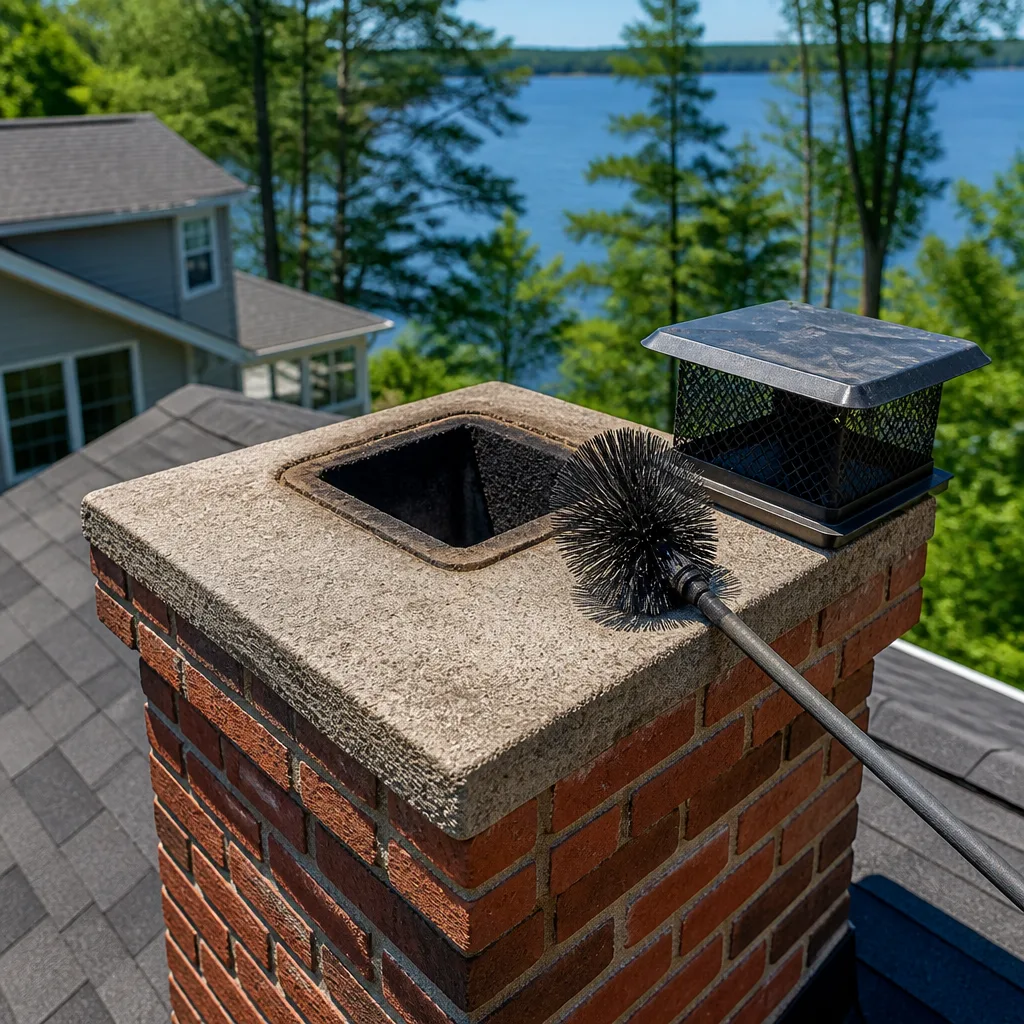
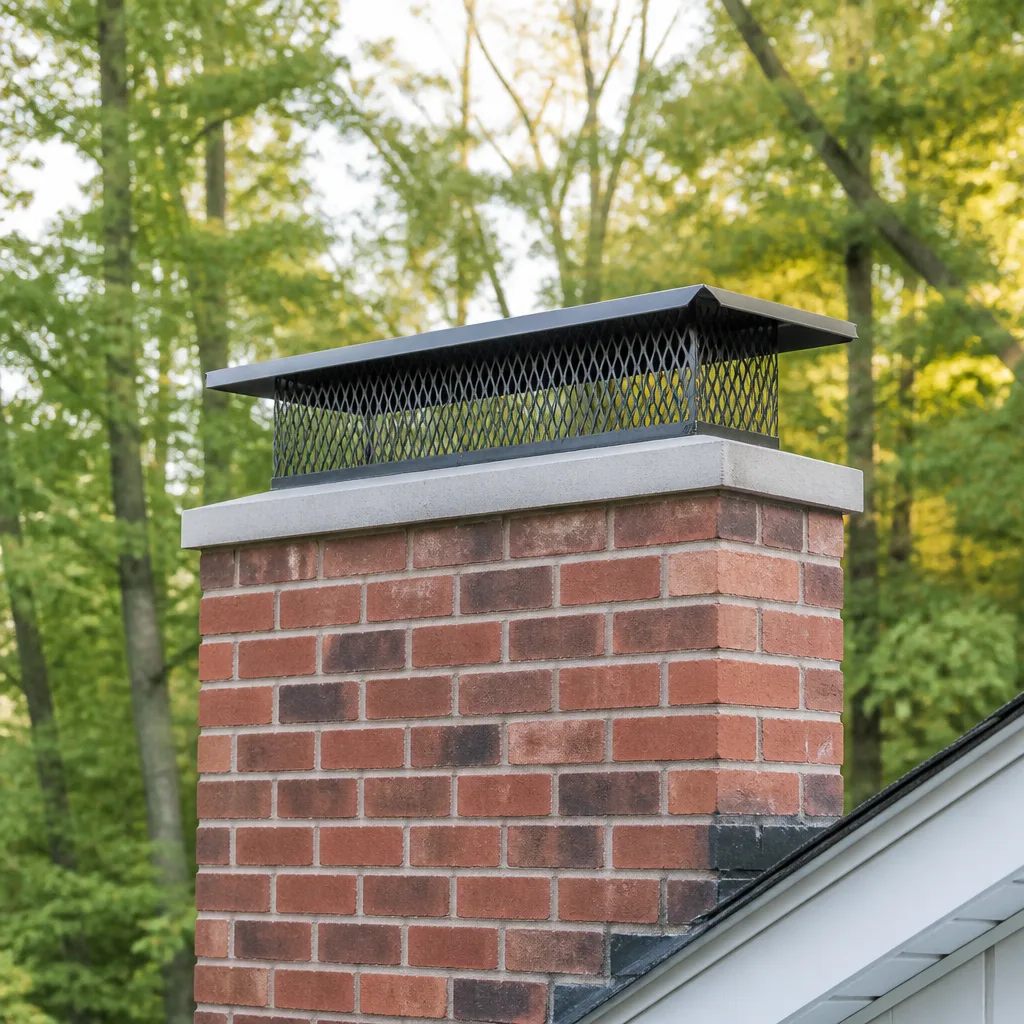
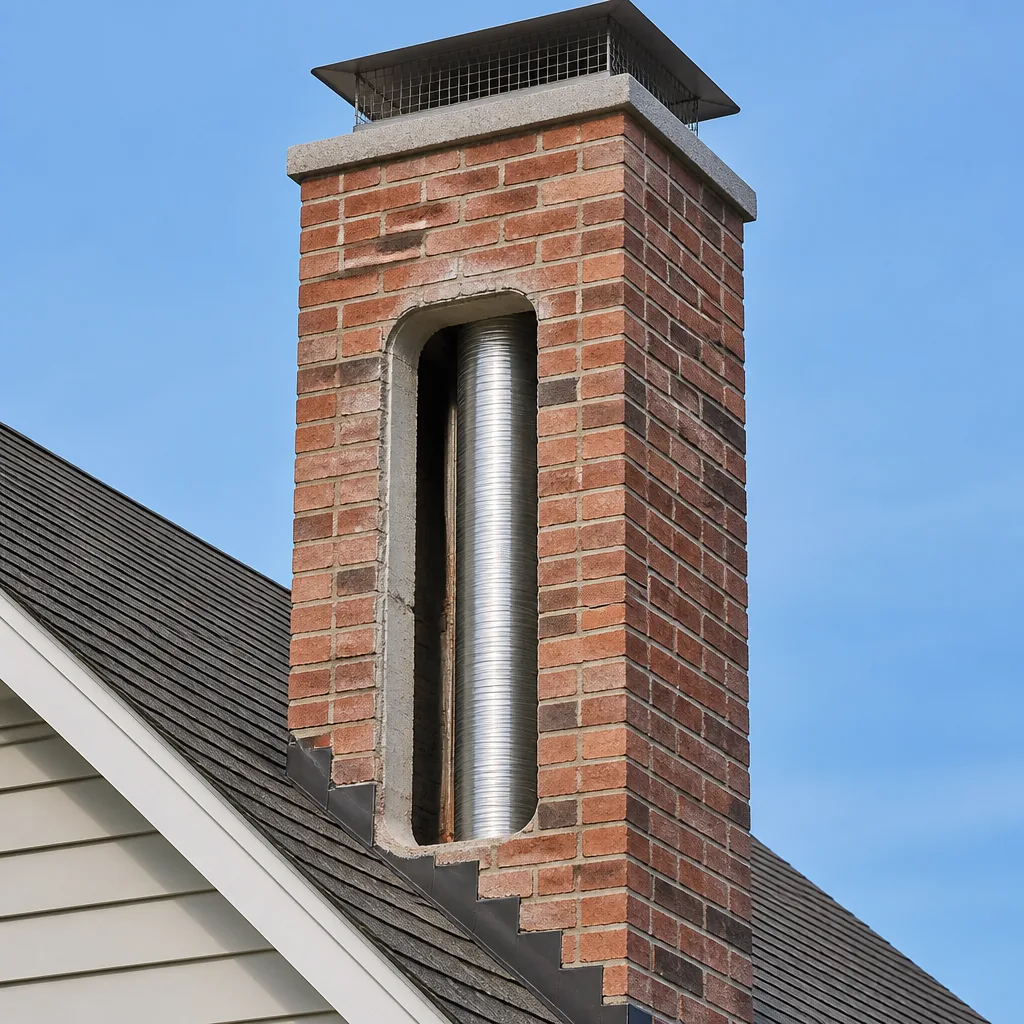
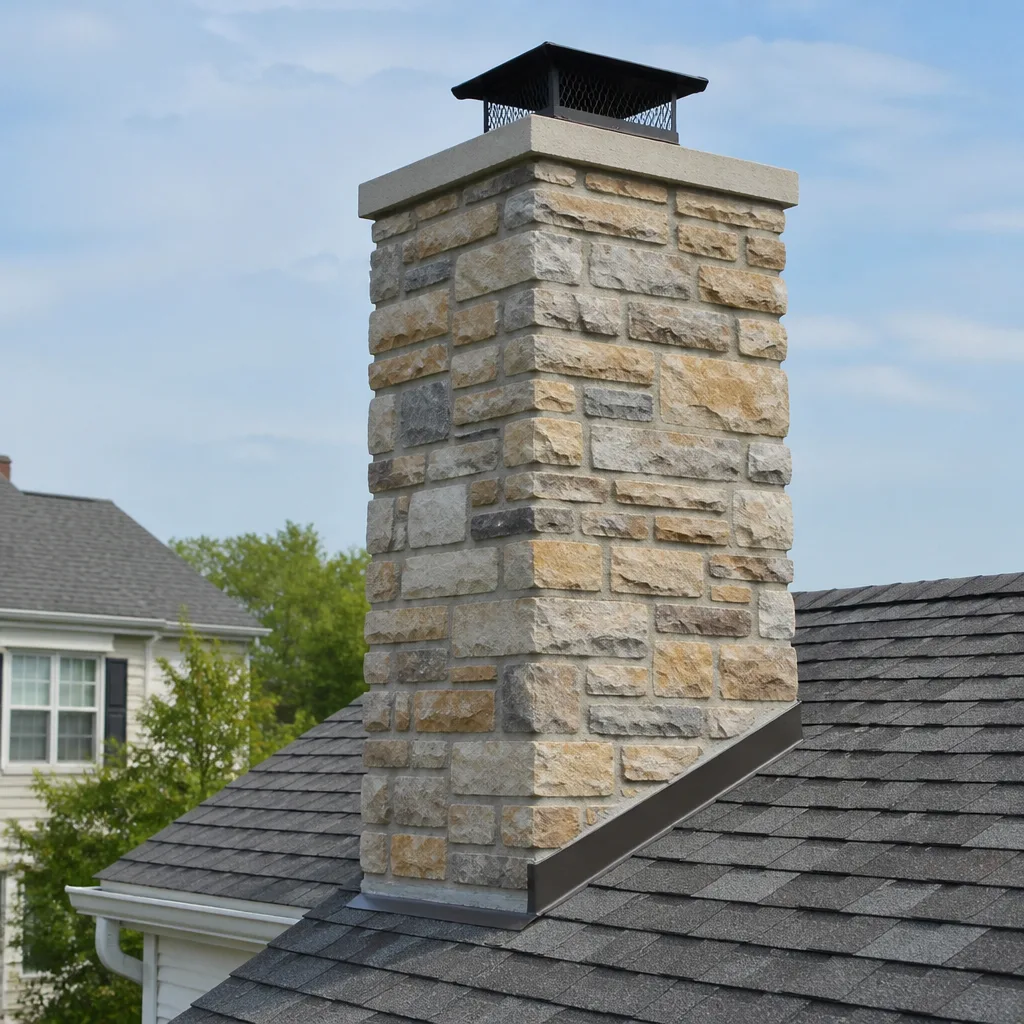
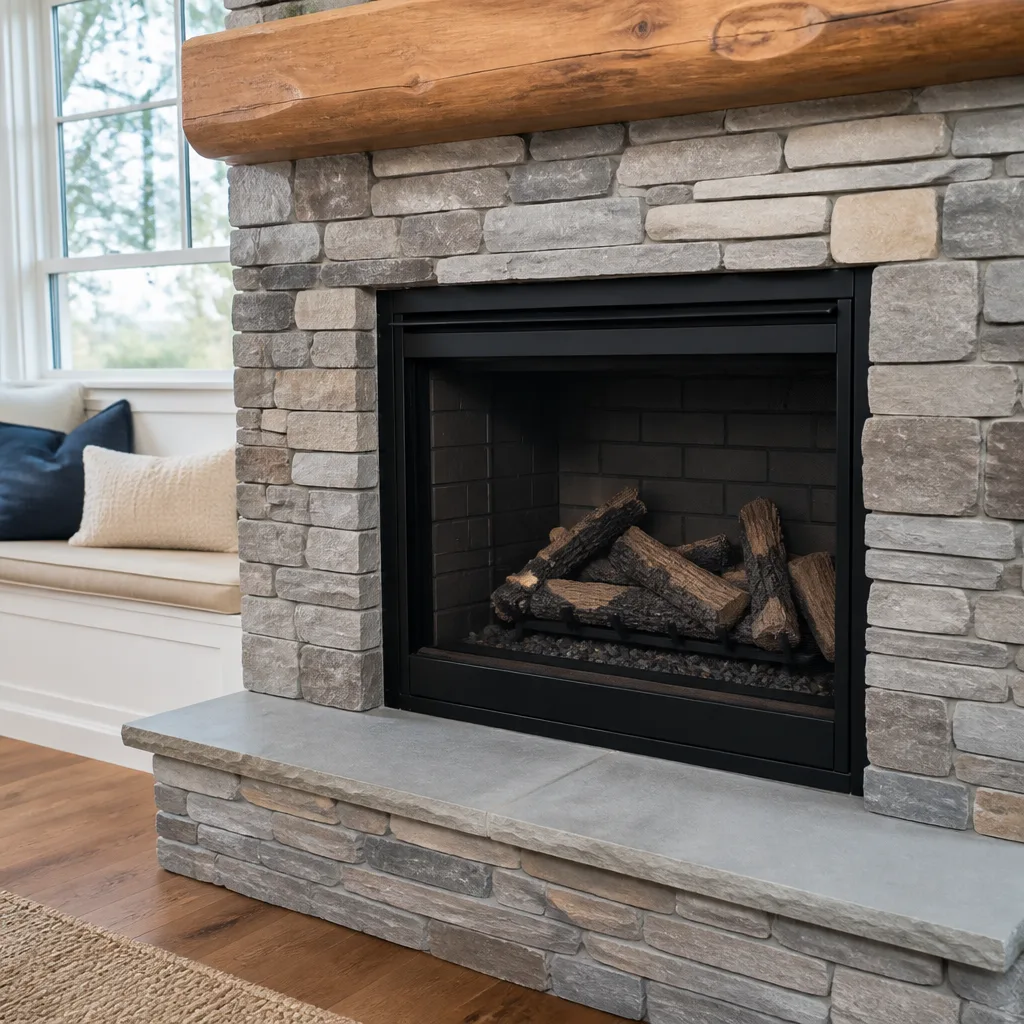
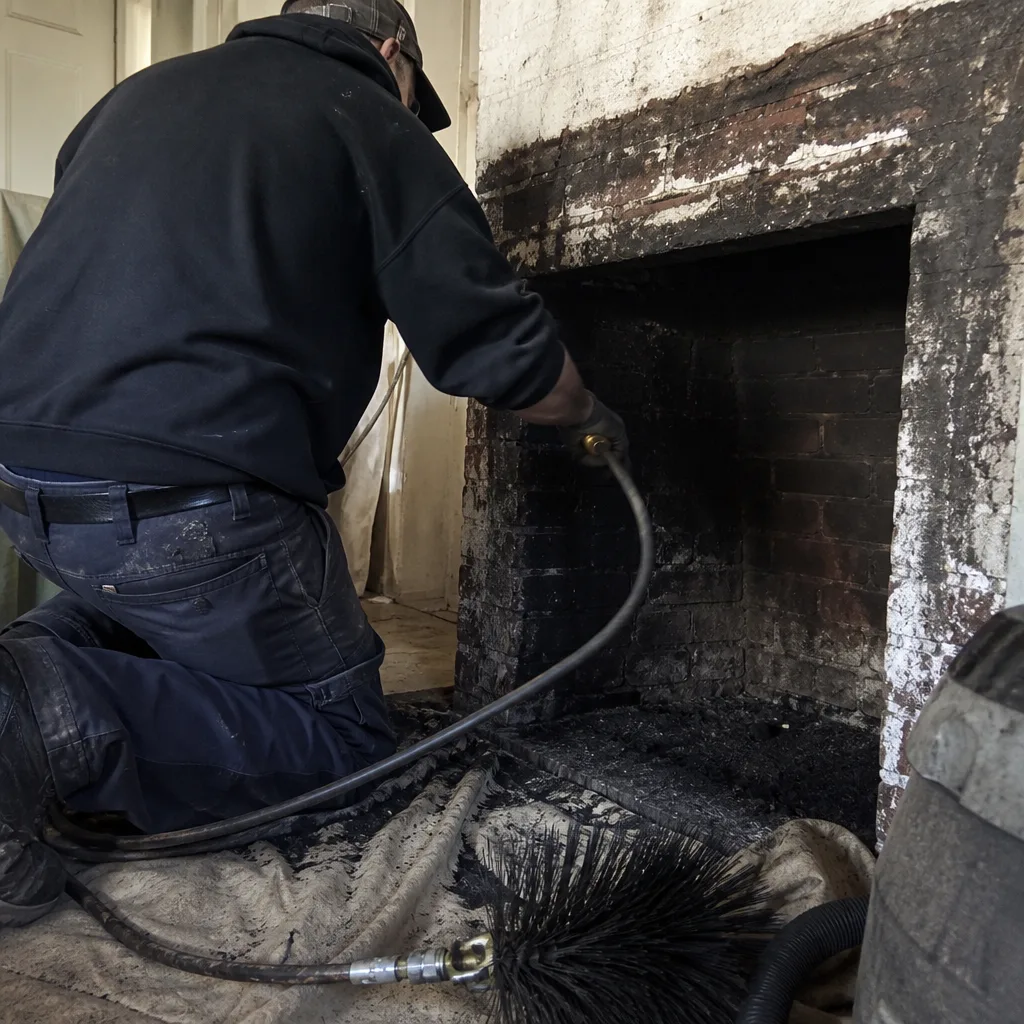 Before
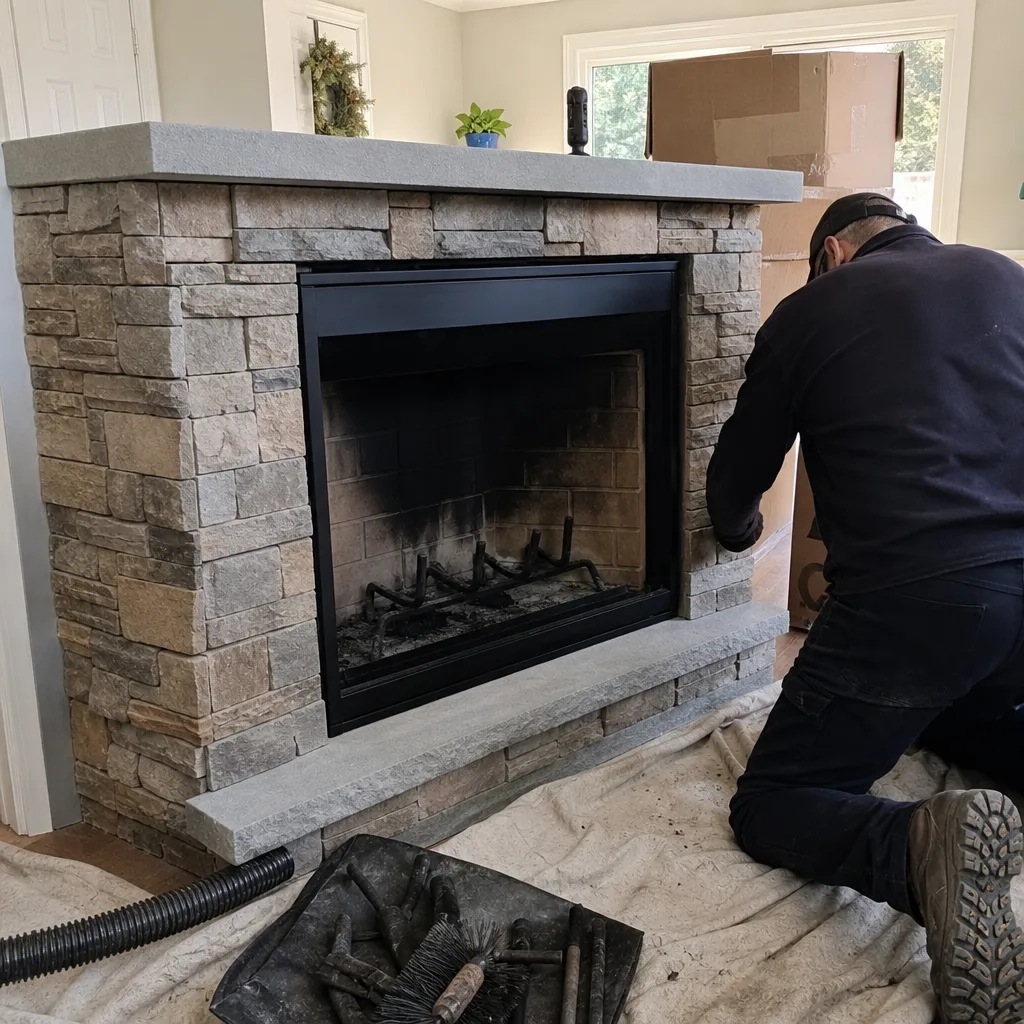 After
After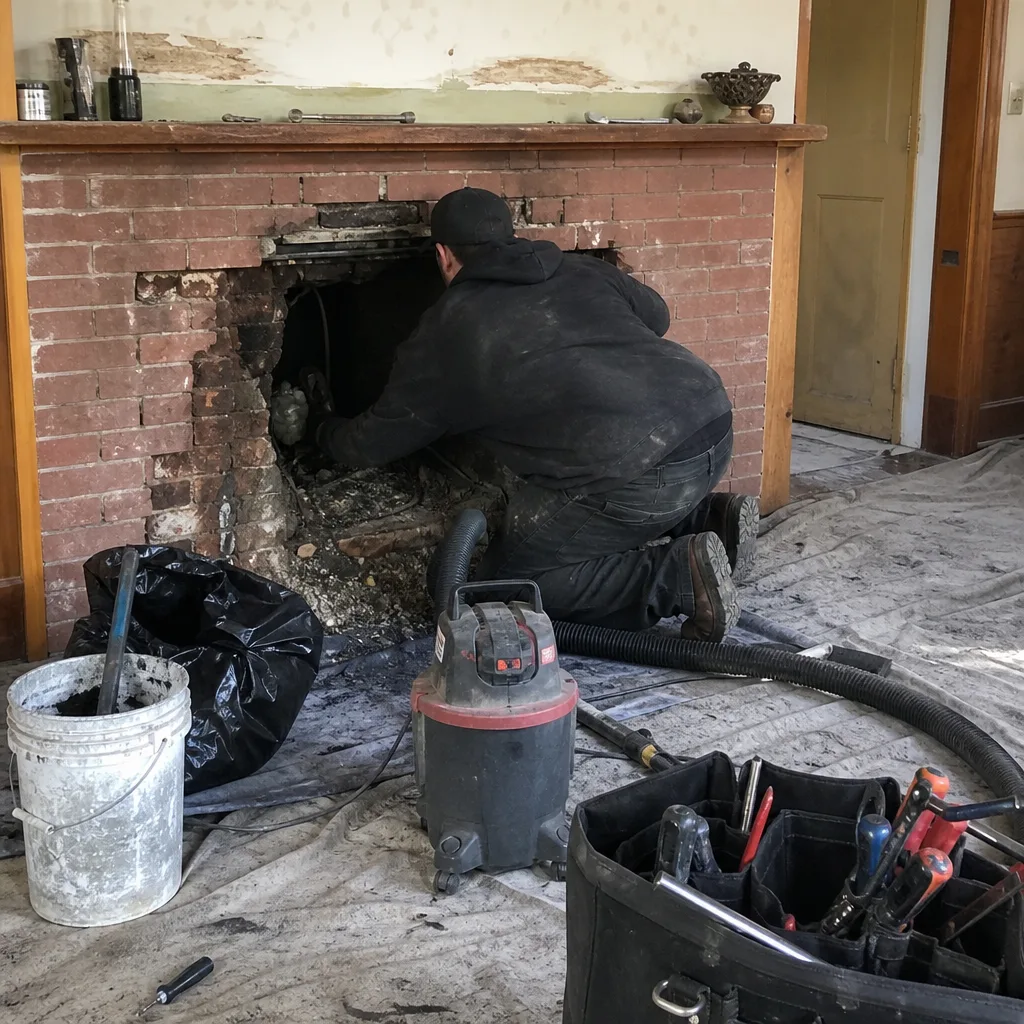 Before
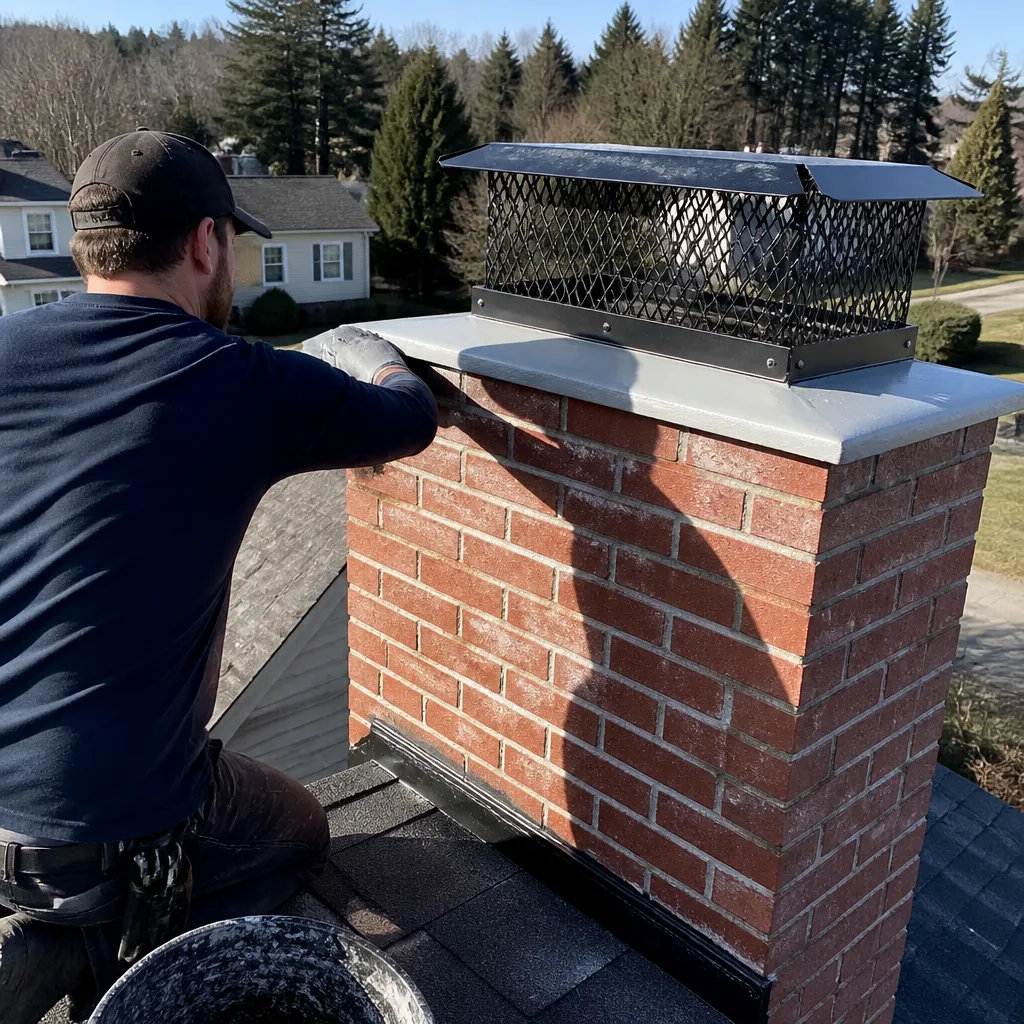 After
After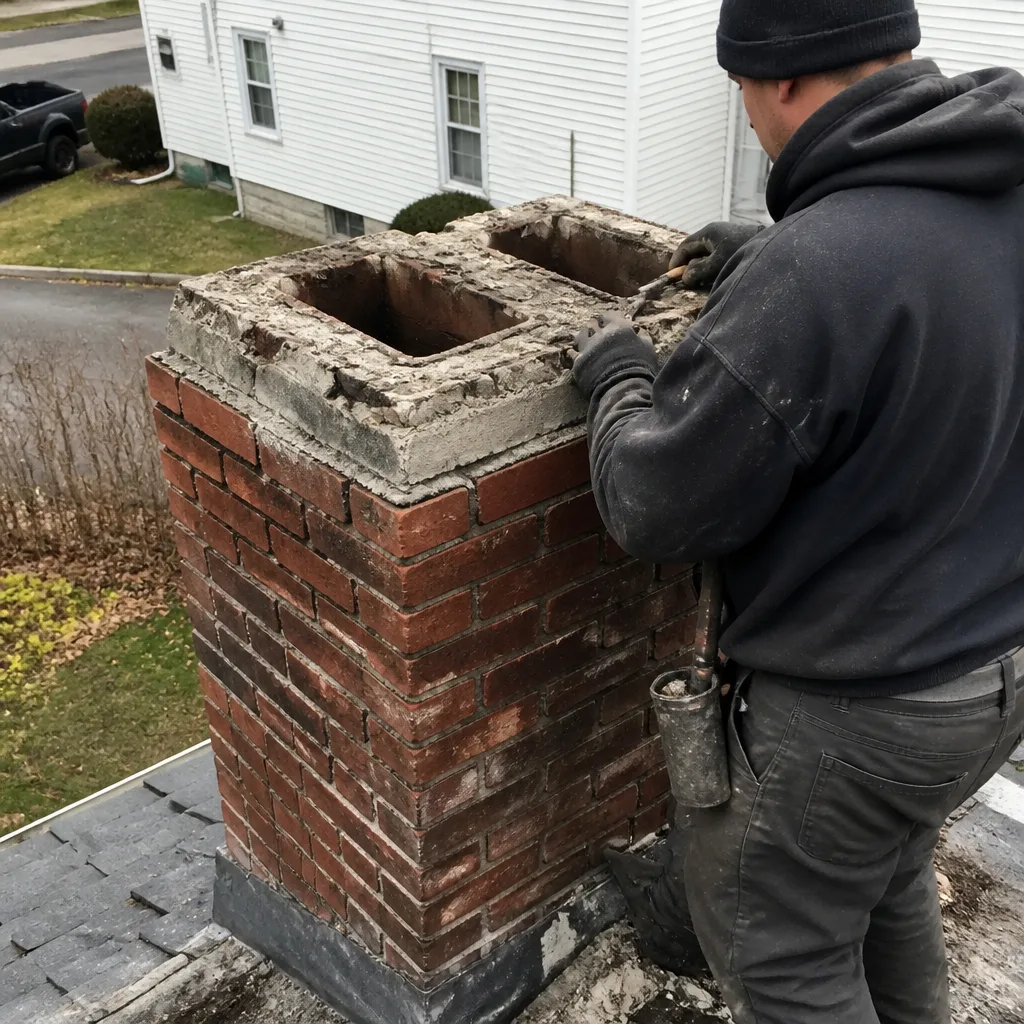 Before
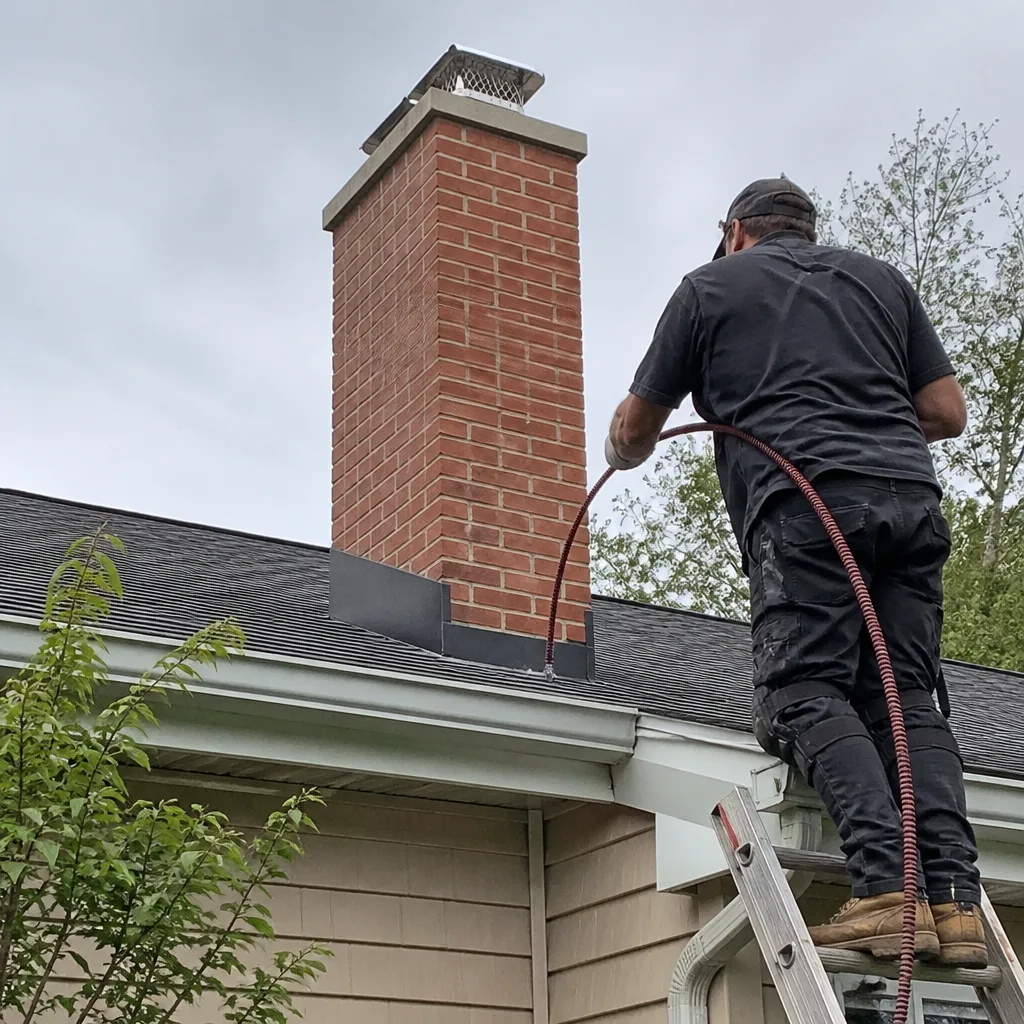 After
AfterThe Complete Guide to Chimney Cleaning in Worcester
The NFPA estimates that 25% of home heating fires involve chimneys that were “recently cleaned” - meaning the homeowner paid for a sweep that removed soot but missed the structural defect that actually caused the fire. In Worcester, where we average 28 sub-freezing nights each winter, that distinction matters more than most places. Cleaning without documentation is just sweeping. This guide breaks down what a proper chimney cleaning actually covers, what Worcester’s climate does to your flue system, and how to read a sweep’s report so you know whether you got an inspection or just a brush through the pipe. For more guides & resources on keeping your chimney safe, visit our blog.
Quick Answer
A proper chimney cleaning in Worcester costs between $199 and $349 for a standard sweep with Level 2 camera inspection, and should include documented photos of four distinct flue components: the liner, smoke chamber, firebox, and cap. Most Worcester homeowners need this service annually if they burn wood regularly, though gas systems can often go two years between cleanings if no debris or moisture issues appear on camera.
Table of Contents
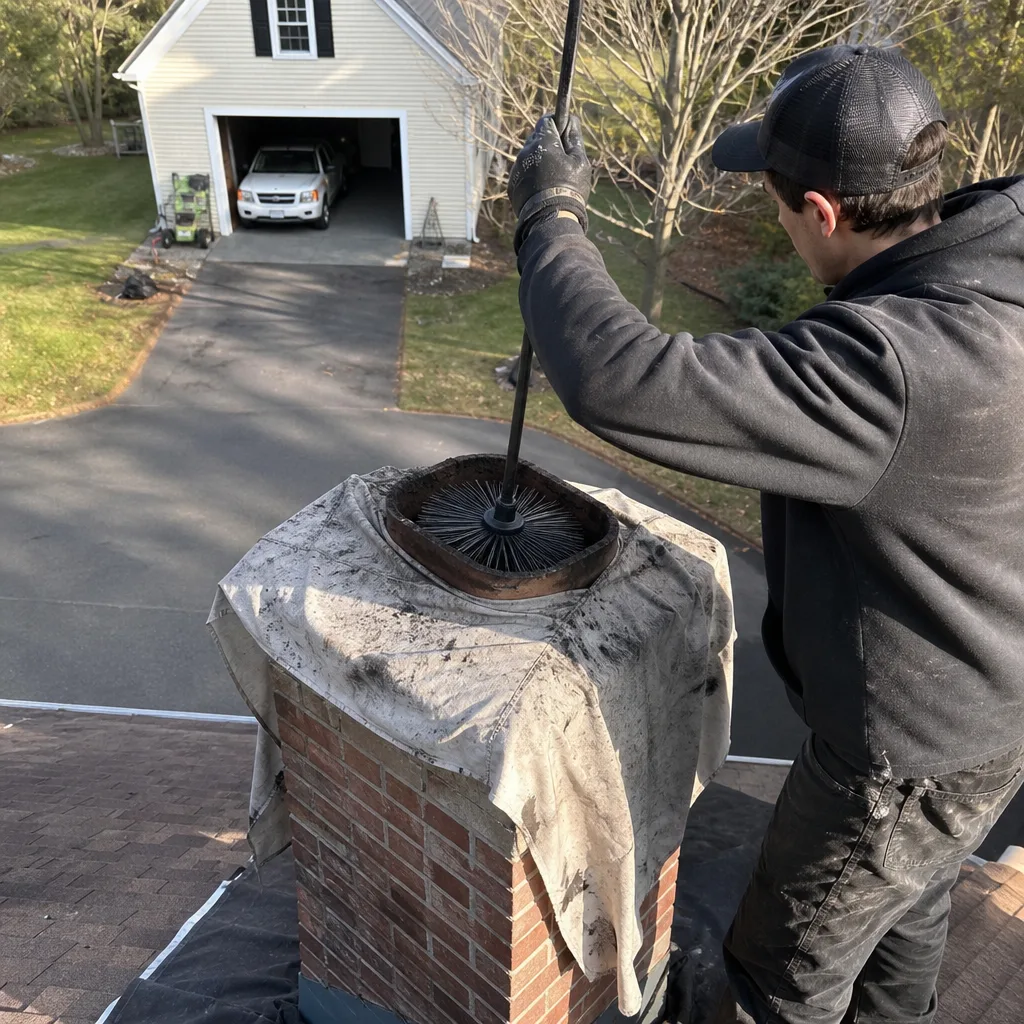
- The Four Flue Components: What “Clean” Actually Means
- How Worcester’s Freeze-Thaw Cycle Destroys Chimneys
- What a Camera Scan Shows That a Flashlight Cannot
- How to Read a Sweep’s Written Report
- Cleaning Receipt vs. Documented Inspection Record
- What Chimney Cleaning Costs in Worcester
- Common Mistakes to Avoid
- When to Call a Professional
- Frequently Asked Questions
 Before
 After
AfterThe Four Flue Components: What “Clean” Actually Means
Most Worcester homeowners ask for a “chimney cleaning” as if it’s one uniform task. The flue system has four distinct zones, each with its own failure mode, cleaning method, and documentation standard. A sweep that brushes the flue liner but never opens the damper to inspect the smoke chamber has not completed the job.
1. The Flue Liner
The liner is the clay, metal, or poured refractory channel that carries combustion gases from your firebox to the cap. “Clean” here means free of creosote buildup to NFPA 211 standards: less than 1/8 inch of soot or glaze deposits, and no obstructions. We classify what we find:
- Class I creosote: Fluffy, soot-like, brushes off easily. Common with dry hardwood and hot fires.
- Class II creosote: Crunchy, porous flakes. Requires a rotary whip or chain system.
- Class III creosote: Shiny, tar-like glaze, often called “third-degree.” This is the dangerous stuff. It cannot be brushed off; it requires chemical treatment or removal with specialized equipment. In Worcester, we see Class III most often in homes burning unseasoned wood or dampering down overnight for “banked” fires.
The liner also needs structural inspection: cracks, gaps between flue tiles, or spalling surfaces that allow heat transfer to combustible framing. A flashlight glance from the top or bottom misses most of this. Our chimney cleaning and sweep service in Worcester includes camera documentation of the full liner length on every visit, per Haven Standard Clause 4.
2. The Smoke Chamber
The smoke chamber is the inverted funnel above your firebox that channels smoke into the flue liner. It’s the most overlooked component in amateur sweeps because the damper blocks access and the surfaces are irregular. “Clean” means parged (smoothed) surfaces without corbelled brick edges that create turbulence and creosote accumulation points. We often find unparied, corbelled brick in Worcester’s pre-1950 housing stock, particularly in neighborhoods like Tatnuck and Greendale where masonry fireplaces are original.
A proper smoke chamber inspection requires the damper to be removed or fully opened, and a light source positioned to reveal the sidewalls. We document this with photos showing the chamber profile and any exposed corbelling.
3. The Firebox
The firebox is where combustion happens. “Clean” means no cracked or missing refractory panels, no deteriorated mortar joints, and no ash buildup blocking air intake. In Worcester, we regularly see cracked rear firebox panels from thermal shock, especially in homes where owners burn manufactured logs against manufacturer warnings. A cracked panel can allow heat to reach combustible framing; we flag it immediately and include replacement in the written scope if needed.
4. The Chimney Cap and Crown
The cap keeps rain, animals, and debris out of the flue. The crown is the concrete or mortar slab that sheds water away from the flue liner and masonry. “Clean” here means the cap is intact with proper mesh spacing, and the crown has no cracks or deterioration that allow water infiltration.
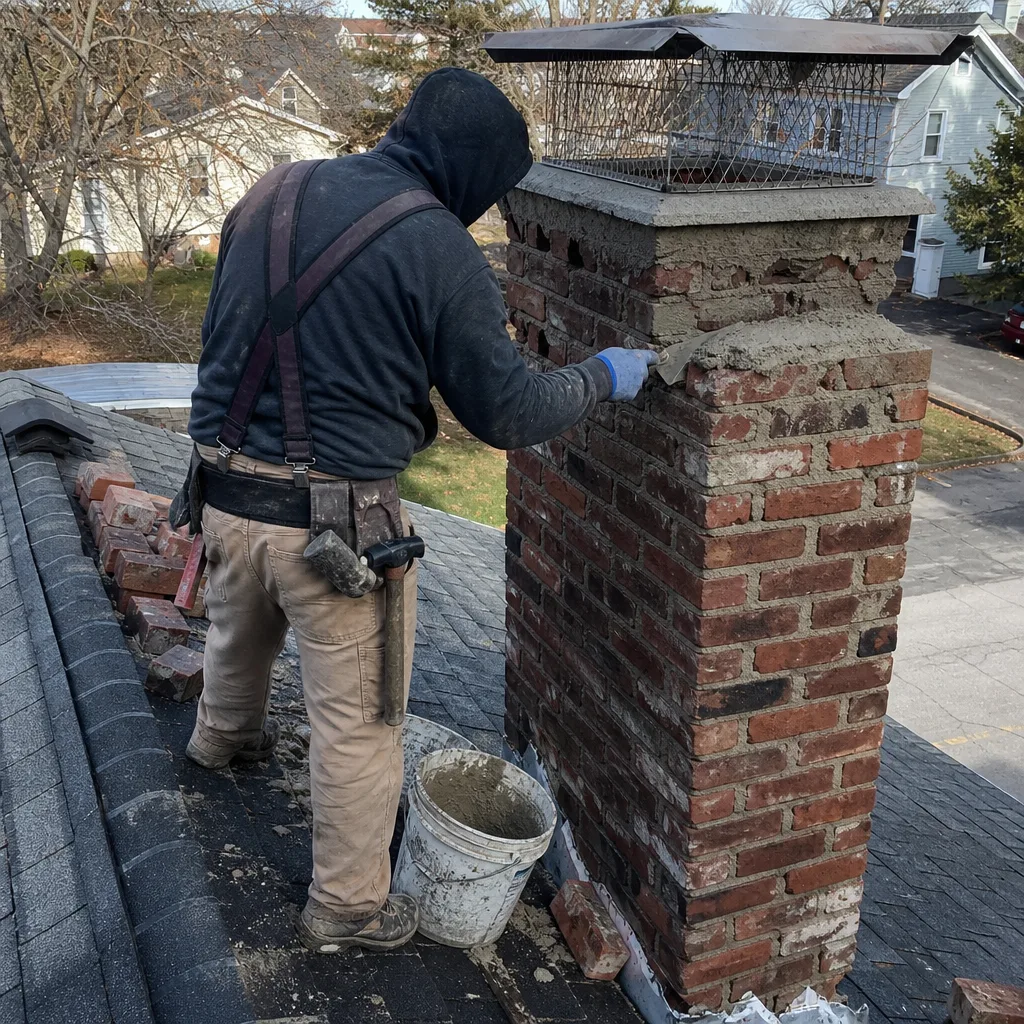
Worcester’s freeze-thaw cycle destroys crowns faster than almost any other component. Water enters hairline cracks, expands when it freezes, and widens the crack over successive winters. We’ve replaced crowns in Burncoat and Lincoln Street homes that were intact in October and crumbling by March. Our chimney repair services in Worcester address this with poured concrete crowns or CrownCoat flexible sealant, depending on the damage extent.
How Worcester’s Freeze-Thaw Cycle Destroys Chimneys
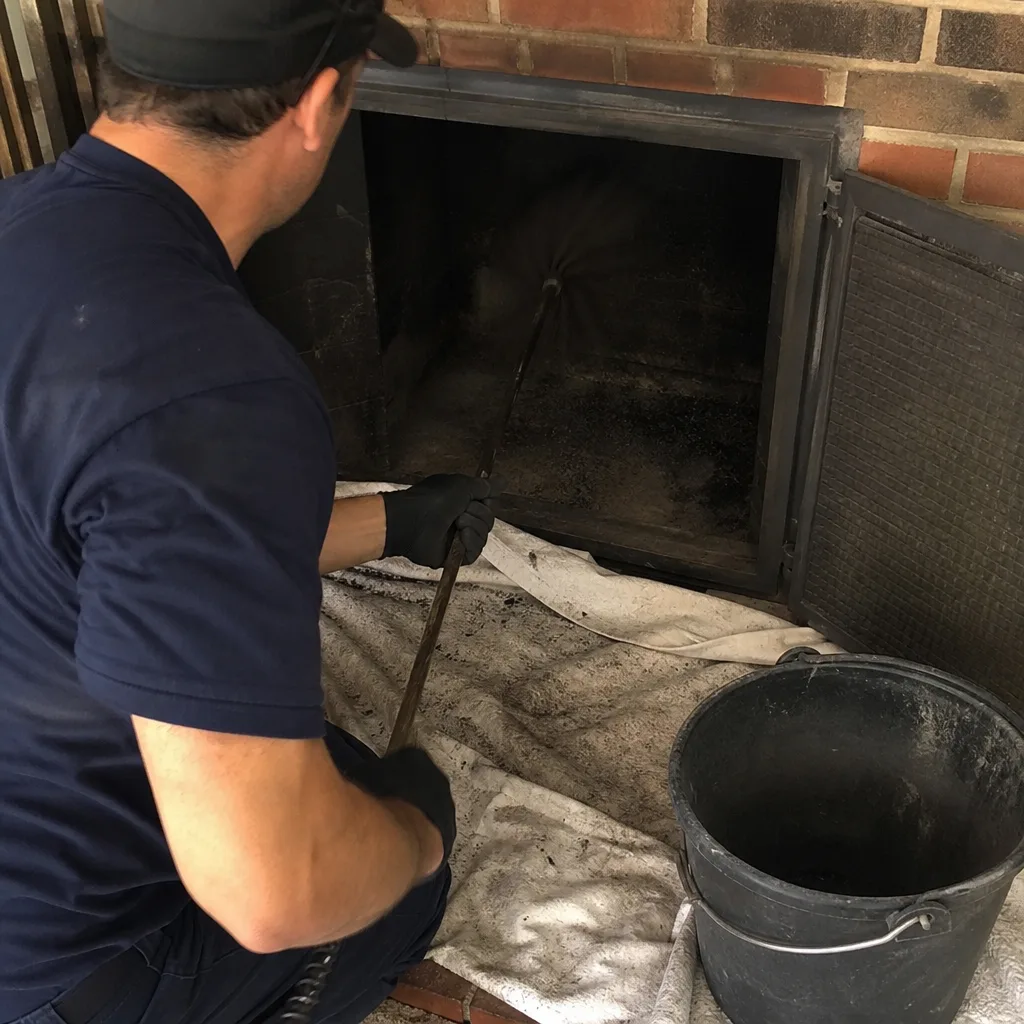
Worcester averages 28 nights below freezing each winter, with January lows regularly hitting single digits. That thermal cycling creates stress that Southern inspection standards simply don’t account for. Here’s what happens to your flue system:
- Water infiltration through cap or crown cracks. Even a 1/16-inch crack admits water. One freeze-thaw cycle can widen it to 1/8 inch. By spring, you have spalling brick faces and deteriorated mortar joints.
- Flue liner thermal shock. Clay flue tiles expand when heated and contract when cooled. Worcester’s pattern of intense evening fires followed by overnight temperature crashes creates more thermal cycles than milder climates. Hairline cracks propagate; we’ve documented liner failures in homes on the West Side where the liner appeared sound in fall inspection and showed through-cracks by February.
- Creosote condensation acceleration. Cold exterior chimneys, especially on north-facing walls common in Worcester’s older neighborhoods, run cooler than interior chimneys. Cooler flue gases condense more creosote. A chimney that might accumulate Class I creosote in a warmer climate can develop Class III glaze in Worcester.
- Smoke chamber deterioration. Unparied smoke chamber surfaces trap condensed creosote in pores and irregularities. Freeze-thaw moisture cycling in the masonry accelerates the breakdown of parging material, exposing fresh corbelled edges.
This is why we don’t apply generic “annual sweep” advice without context. A north-facing exterior chimney in Tatnuck burning two cords of oak per season needs different attention than an interior chimney in a Colonial Revival on Salisbury Street burning gas logs. The inspection determines the interval, not the calendar.
What a Camera Scan Shows That a Flashlight Cannot
The difference between a flashlight inspection and a camera scan is the difference between “looks fine from here” and “here’s the documentation.” NFPA 211 Level 2 requires a camera scan for property transfers and after chimney fires or seismic events. We made it standard on every job in 2009, before regulators or insurers asked, because it’s the only way to see what actually matters.
Here’s what we’ve found on camera in Worcester homes that flashlight inspections missed:
| Finding | What a Flashlight Shows | What a Camera Reveals | Typical Correction Cost in Worcester |
|---|---|---|---|
| Offset flue tile joint | Dark shadow, maybe | Exact gap width, creosote accumulation, gas leakage path | $800-$2,400 for HeatShield cerfractory repair or liner replacement |
| Spalling clay liner surface | Rough texture if light angle is right | Depth of spall, exposed liner body, proximity to combustibles | $1,800-$4,500 for stainless steel liner with DuraFlex or Olympia Chimney materials |
| Missing mortar between flue tiles | Nothing; above the light line | Full circumference gap, often with creosote dripping through | $1,200-$3,200 for repointing or liner installation |
| Smoke chamber corbelling | Impossible to see past damper | Degree of corbelling, parging condition, turbulence patterns | $900-$2,800 for chamber parge with Chamber-Tech 2000 |
| Condensation staining (gas) | Maybe dampness at base | Streak patterns indicating liner sizing or draft problems | $600-$1,800 for liner resizing or draft induction |
The camera also provides the documentation that insurers increasingly require. After a chimney fire, an adjuster asks for proof of maintenance. A receipt for “$199 sweep” proves nothing. A dated photo record showing liner condition before the fire, with technician notes, can distinguish between maintenance neglect and product failure.
Clause 4 of the Haven Standard requires this photo record on every job. We’ve maintained that archive since 2009, with more than 38,000 documented inspections. If you bought your Worcester home in 2019 and want to know what the liner looked like then, we can show you.
How to Read a Sweep’s Written Report
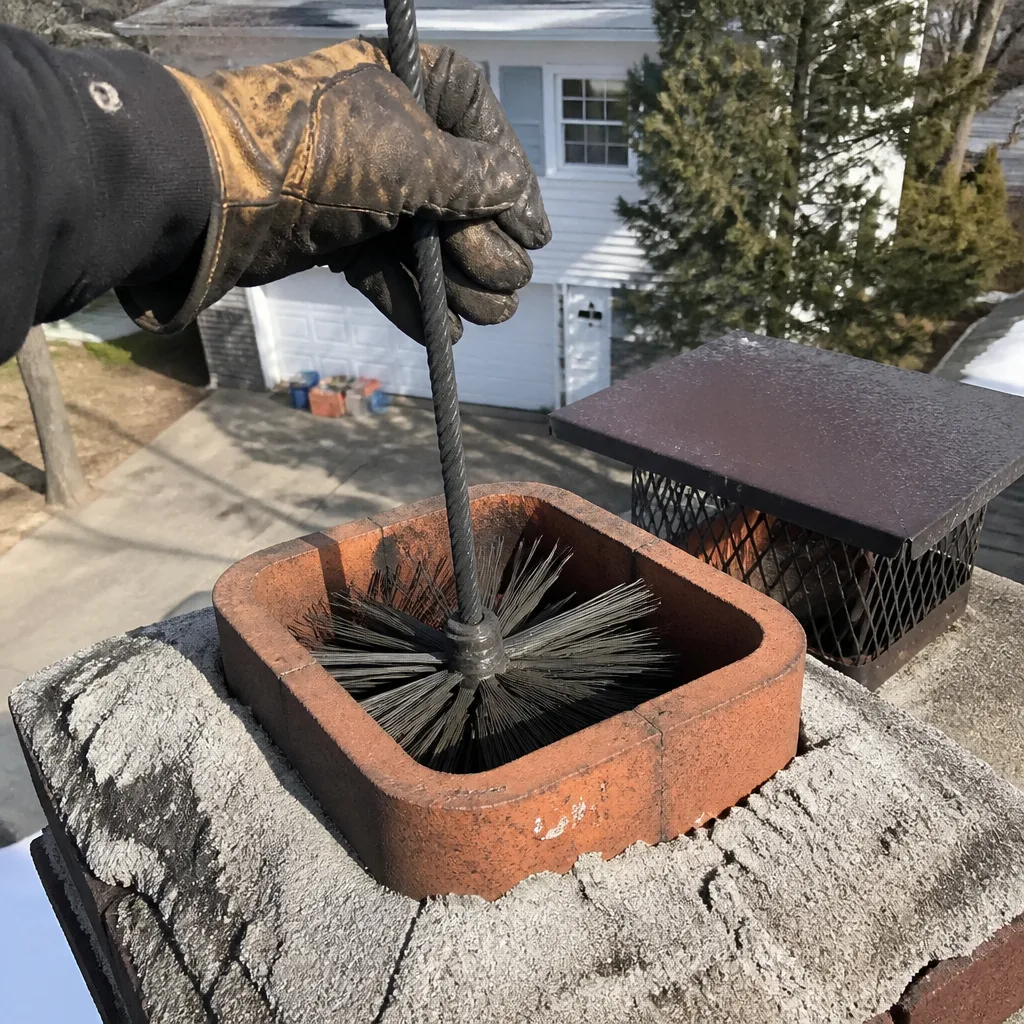
A proper report is not a receipt. It’s a diagnostic document that tells you what was found, what it means, what it costs to correct, and what happens if you wait. Here’s what should appear, line by line, and what vague language signals a shortcuts operation.
Required Line Items
- Customer and property address. Seems obvious, but we’ve seen generic reports with no property identification. Useless for insurance or resale documentation.
- Date, technician name, and license number. Accountability. If something’s wrong, you know who was there and whether they were qualified.
- Appliance and chimney type. “Fireplace” is not enough. “Rumford-style open hearth, 36-inch width, clay tile liner, 8×12 flue dimension, masonry chimney on north-facing exterior wall” is what you need.
- Fuel type and burning habits noted. Affects creosote classification and recommended interval.
- Condition of each of the four components. With specific observations, not “appears satisfactory.”
- Creosote classification and thickness. “Class I, less than 1/8 inch” or “Class III glaze, 3/16 inch, requires chemical treatment.”
- Photo documentation references. “See photos 7-12: liner offset at second flue joint, 3/16-inch gap with creosote staining.”
- Recommended work with written scope and price. Before any work starts. Not an estimate range. A number.
- Written warranty terms. What is covered, for how long, and what voids it.
Red Flag Language
- “Visual inspection only” - means no camera, no damper removal, no smoke chamber access.
- “Appears to be in good condition” - appears to whom, by what standard, with what documentation?
- “Recommend further evaluation” without specifying by whom, of what, at what cost - a punt that transfers liability to you.
- No photo references - means no photos were taken, or none worth citing.
- Price given verbally or after work starts - violates Haven Standard Clause 1. We put it in writing before anyone touches your chimney.
Our reports include all of the above, plus a 365-Day Done Right Promise stamped on every job. If it’s not done right, we make it right. No argument, no additional charge.
Cleaning Receipt vs. Documented Inspection Record
The distinction matters for your insurance, your home sale, and your safety. Here’s the difference:
| Cleaning Receipt | Documented Inspection Record |
|---|---|
| Lists service and price paid | Lists service, price, scope, findings, and corrective recommendations |
| Proves you spent money | Proves what condition the system was in and what was done |
| Accepted by no insurer after a loss | Increasingly required by insurers for wood-burning system coverage |
| Worthless in home sale negotiations | Transferable documentation that supports asking price or protects deposit |
| Gives no basis for warranty claim | Establishes baseline condition for warranty and future comparison |
We’ve been called to Worcester homes where the seller had “cleaned the chimney every year” but had only receipts. The buyer’s inspector found liner damage. Without documentation, the seller had no proof the damage was new, and the deal nearly collapsed. A documented record from 2019 showing sound liner condition would have resolved the dispute in minutes.
This is why Clause 4 of the Haven Standard exists. The photo record is not an upgrade. It’s the minimum acceptable deliverable. We’ve delivered it on every one of our 38,000-plus jobs since 2009.
What Chimney Cleaning Costs in Worcester
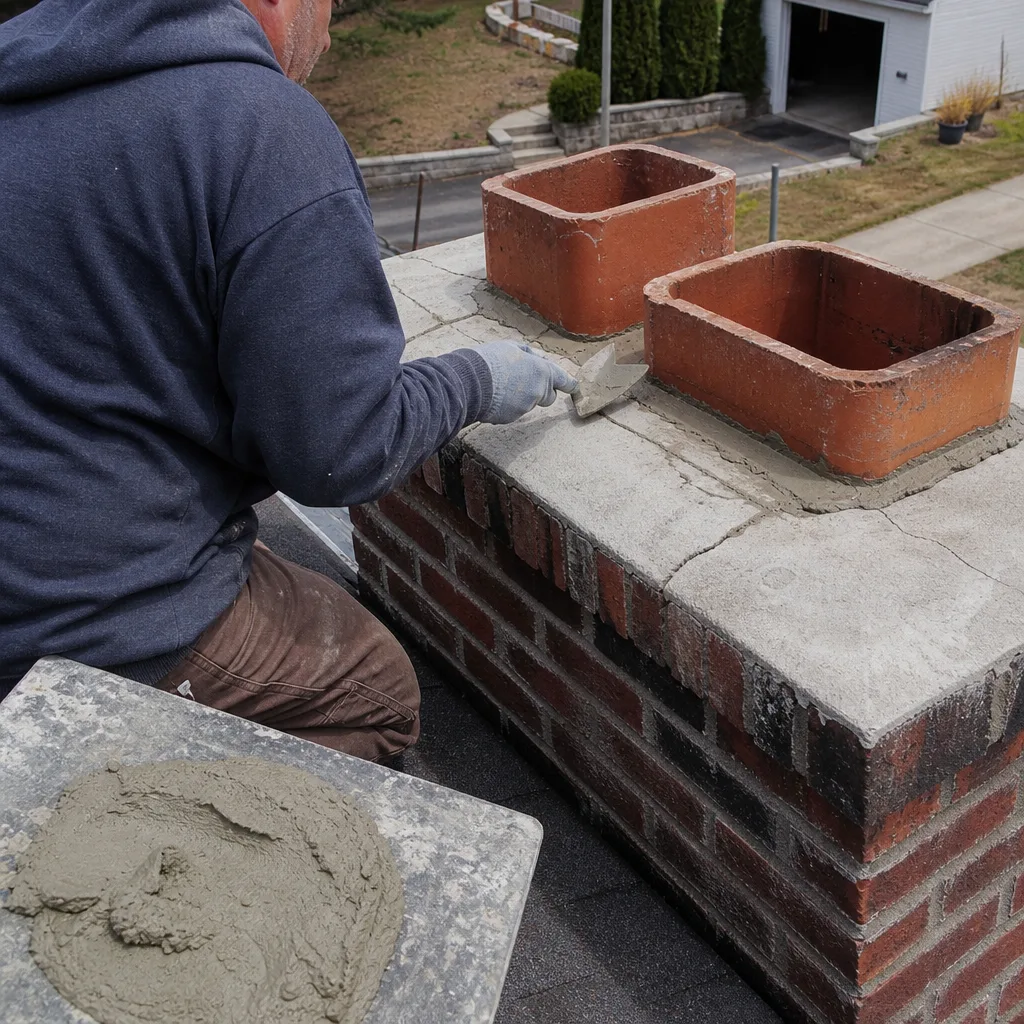
Price transparency is central to how we operate. Here’s what chimney cleaning and related services cost in the Worcester market, based on our 2024 pricing and what we see from competitor quotes through our Free Second Opinion service.
| Service | Typical Range in Worcester | What’s Included |
|---|---|---|
| Standard chimney sweep with Level 2 camera inspection | $199-$349 | Full flue brushing, smoke chamber access, firebox inspection, cap and crown check, camera scan with photo documentation, written report |
| Class III creosote removal (chemical treatment + rotary) | $450-$750 | Pre-treatment application, dwell time, rotary chain or whip removal, follow-up camera verification |
| Smoke chamber parging | $900-$2,800 | Damper removal, surface prep, Chamber-Tech 2000 application to NFPA 211 smoothness standard, photo documentation |
| Stainless steel liner installation (average single-flue) | $1,800-$4,500 | Measurement, DuraFlex or Olympia Chimney liner, top plate and connector, insulation where required, camera verification, written warranty |
| Crown repair or replacement | $600-$2,200 | Grind and prep, poured concrete or CrownCoat application, proper slope and overhang, photo documentation |
| Firebox refractory panel replacement | $400-$1,200 | Factory-matched panels, proper clearances, photo documentation |
Every price above is given in writing before work starts, per Haven Standard Clause 1. No exceptions. If a competitor gives you a written quote, bring it to us for a Free Second Opinion. We’ll review their scope against what we found and tell you where the gaps are.
Materials matter for durability in Worcester’s climate. We source liners and components through DuraFlex, HeatShield, Gelco, and other Haven buying network suppliers specifically to keep customer prices honest. Generic hardware-store caps rust through in three winters. A Gelco stainless cap with proper mesh lasts 15-plus years.
Common Mistakes to Avoid
- Hiring based on lowest price alone. A $129 “chimney special” in Worcester typically means a brush run from the roof, no camera, no damper removal, and a carbon-copy receipt. We’ve found critical defects in systems “cleaned” by low-price competitors the same season.
- Assuming gas fireplaces need no inspection. Gas systems don’t produce creosote, but they can develop condensation corrosion, debris blockages from failed caps, and liner sizing problems. Annual camera inspection is still warranted, even if sweeping isn’t.
- Burning unseasoned wood. Wood with moisture content above 20% produces Class III creosote rapidly. In Worcester’s humid summers, even “seasoned” wood stored outside can reabsorb moisture. We check moisture content during inspection and tell you what your fuel is doing to your system.
- Ignoring the smoke chamber. Many Worcester homes built 1920-1960 have unparied corbelled chambers that create turbulence and rapid creosote buildup. A sweep that never opens the damper never sees this.
- Waiting for visible signs of trouble. By the time you see staining on the ceiling or smell smoke in the room, the damage is extensive. The camera finds it before it becomes expensive.
- Accepting verbal estimates. “It’ll probably be around…” is not a price. A written scope with a fixed number protects both parties. Haven Standard Clause 1 requires it.
- Not documenting for the next owner. If you sell your Worcester home, transferable inspection records support your asking price and protect your deposit. A receipt does neither.
When to Call a Professional
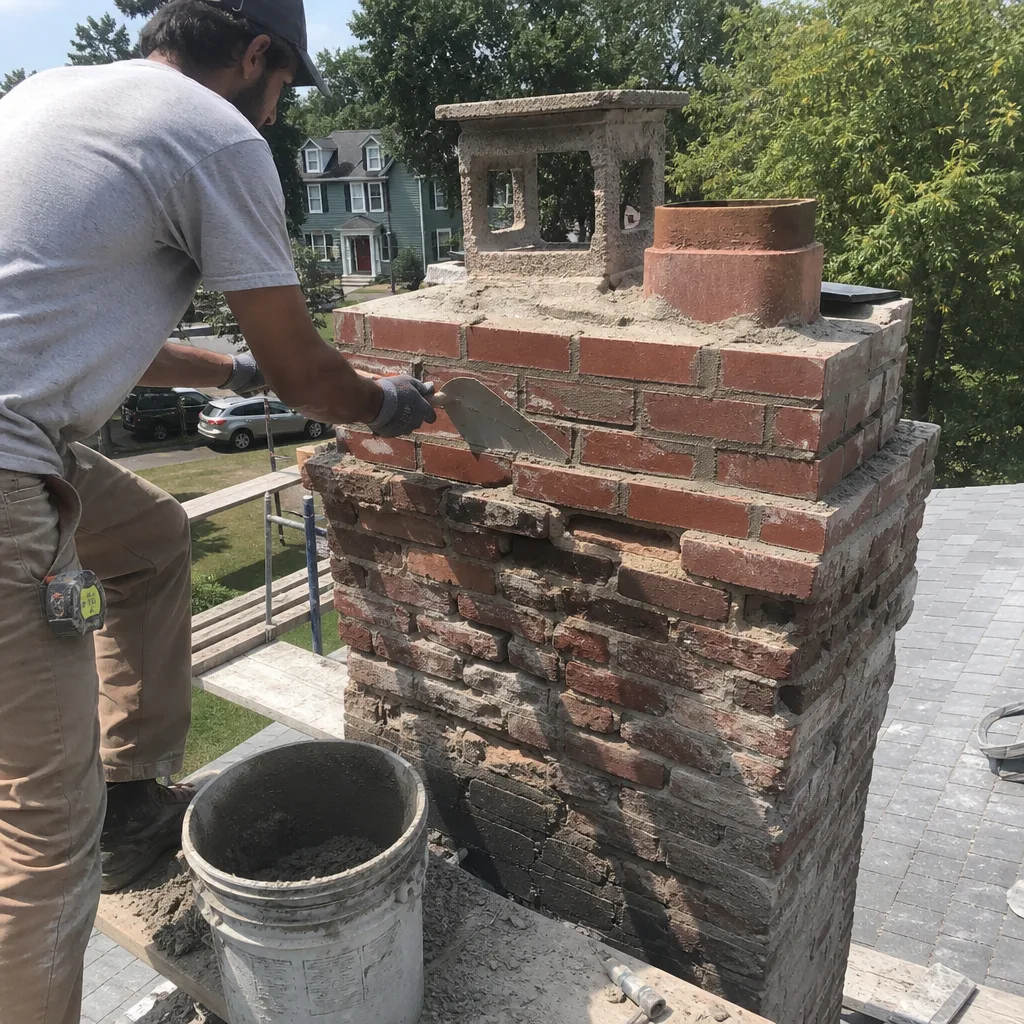
Call for inspection before the burning season starts, not after you notice a problem. Specifically: if you’ve never had a camera inspection, if your last sweep was more than a year ago and you burn wood regularly, if you’ve changed fuel types, if you’ve noticed any smoke spillage or odd odors, or if you’re buying or selling a home in Worcester.
Level Two Chimney Worcester offers free estimates throughout Worcester and surrounding towns. We’ll give you a written price before any work starts, a camera scan with photo documentation on every visit, and the 365-Day Done Right Promise on every job. Call (978) 307-8288 to schedule, or reach us through our Level Two Chimney Worcester home page for more information on our full range of fireplace services in Worcester.
Frequently Asked Questions
A standard chimney sweep with Level 2 camera inspection in Worcester typically costs between $199 and $349. Class III creosote removal, smoke chamber parging, or liner repairs add to that base. We provide a written price before any work starts, and we offer a Free Second Opinion on any competitor’s written estimate. Call (978) 307-8288 for an exact quote - estimates are free.
Wood-burning systems in Worcester generally need annual inspection and cleaning if you burn more than one cord per season, though the exact interval depends on what the camera shows. For a month-by-month breakdown of what to watch for, see our Seasonal Chimney Cleaning Care for Worcester: Year-Round Homeowner’s Guide. Gas systems can often go two years between inspections if no debris or moisture issues appear. North-facing exterior chimneys and those burning unseasoned wood may need more frequent attention due to our freeze-thaw cycle and increased creosote condensation.
You need a new liner if the camera shows cracks, gaps, spalling, or deterioration that compromises the barrier between combustion gases and combustible framing - not because a sweep says so without showing you. We present the camera footage, explain the failure mode, and give you a written scope with price before any replacement work. Some conditions can be repaired with HeatShield cerfractory compound rather than full replacement; we recommend the least invasive solution that meets NFPA 211.
Skipped maintenance allows creosote to accumulate, increasing chimney fire risk and potentially causing liner damage that allows carbon monoxide intrusion or house fires. In Worcester’s climate, it also means missing freeze-thaw damage to crowns and caps that admits water and accelerates masonry deterioration. The cost of deferred maintenance typically exceeds the cost of regular cleaning by a factor of five to ten.
Level 1 is a visual inspection of readily accessible portions without tools or camera, appropriate for annual maintenance of systems with no changes. Level 2 adds a camera scan of the full flue interior, smoke chamber access, and inspection of attics, crawl spaces, and basements as needed - required for property transfers, after chimney fires, or when any fuel or liner change occurs. We perform Level 2 as standard on every job because it finds what Level 1 cannot.
You can remove superficial ash and soot from the firebox, but flue liner cleaning, smoke chamber access, and camera inspection require specialized equipment and training. More importantly, Worcester’s building code and most insurance policies require documented professional inspection for wood-burning systems. DIY cleaning without documentation leaves you uninsured and unaware of structural defects. For safety and compliance, professional service is the practical choice.
The Bottom Line
Chimney cleaning in Worcester is not a single task but a four-component inspection and documentation process: liner, smoke chamber, firebox, and cap, each with specific failure modes that our freeze-thaw climate accelerates. A proper service includes camera verification, written findings, and a fixed price before work starts. Anything less leaves you with a receipt instead of a record, and a receipt won’t help when your insurer asks what you knew and when you knew it. We’ve completed more than 38,000 documented inspections since 2009 under the Haven Standard, with a photo archive that proves what was found and what was done. That’s the difference between sweeping and actually knowing.
Written by Corrine Halstead, Owner at Level Two Chimney Worcester, serving Worcester since 2009.