
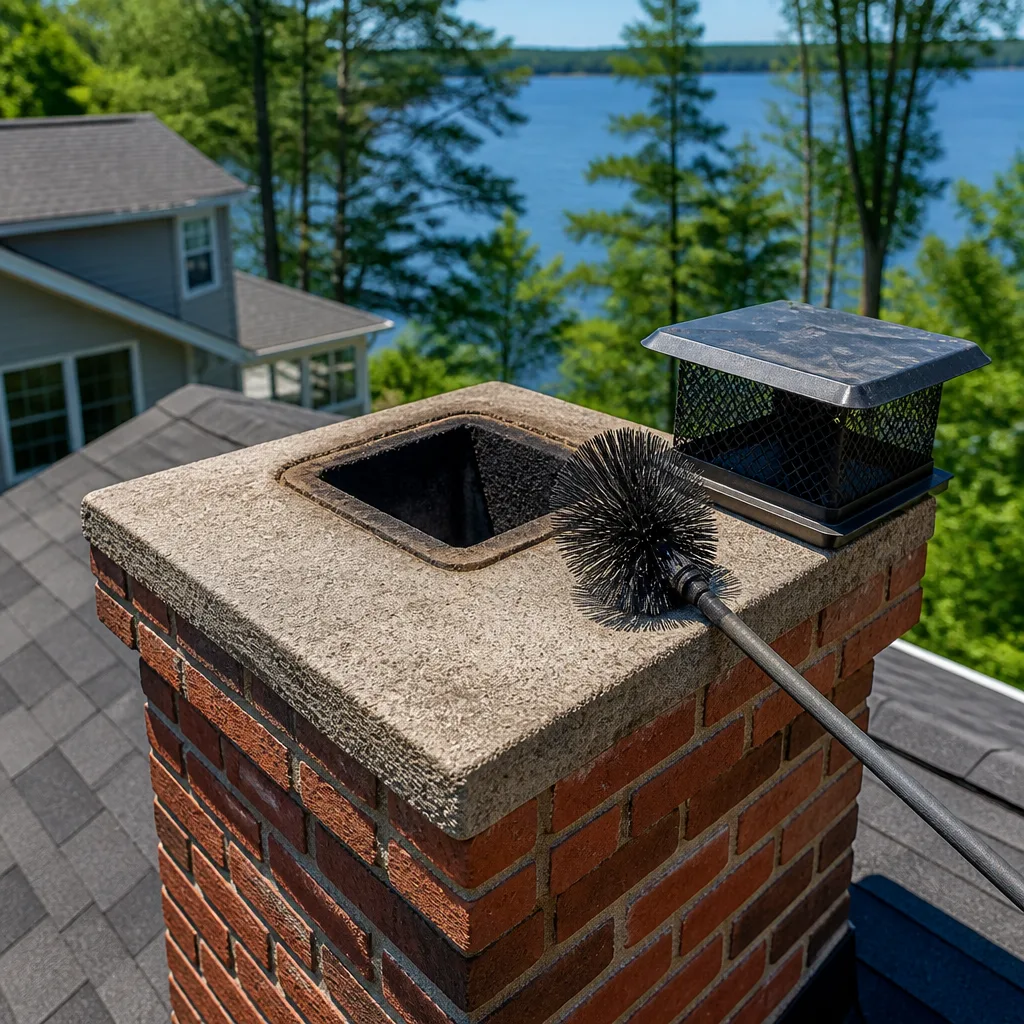
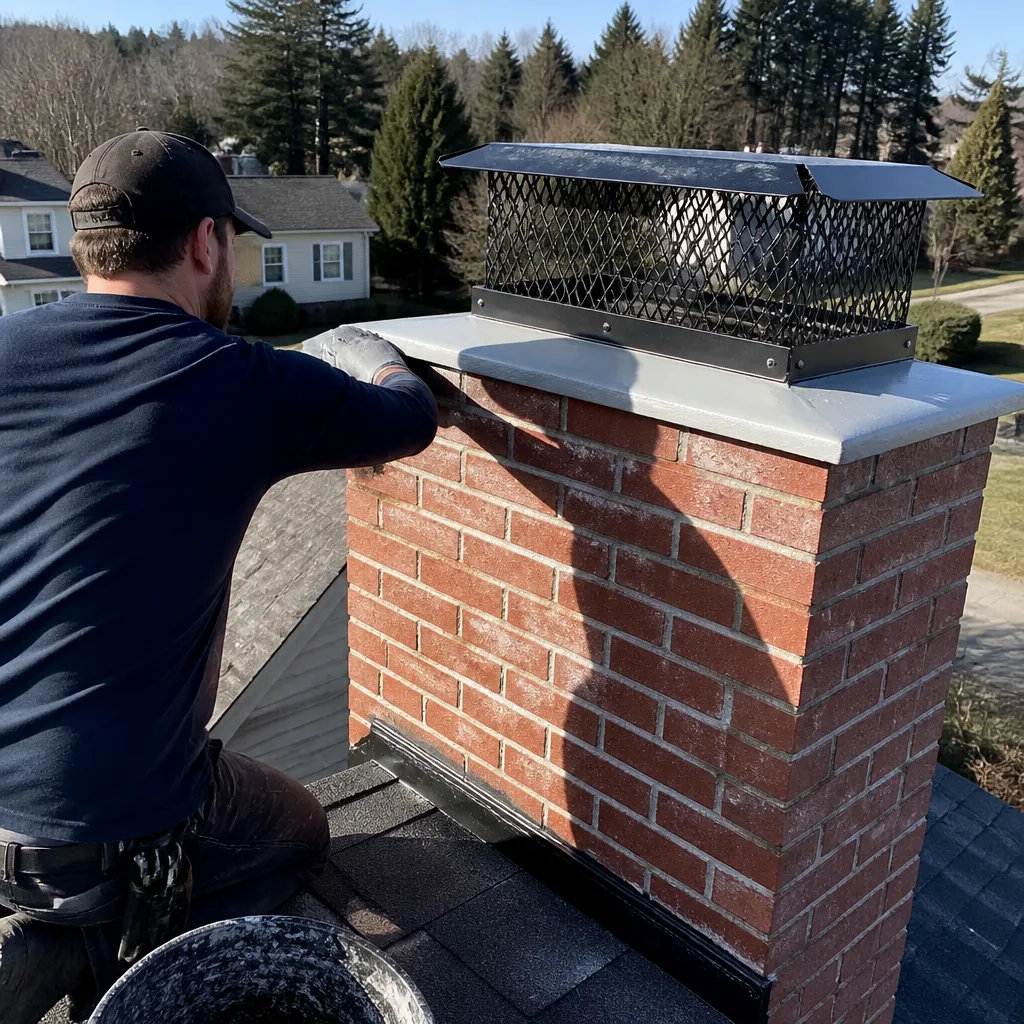
Level 1 sweep and inspection to the NFPA 211 annual standard - flue, crown, cap, and flashing checked and photographed
Chimney sweep logs do not sweep chimneys. They loosen some creosote - which then falls where a brush and vacuum still have to collect it.
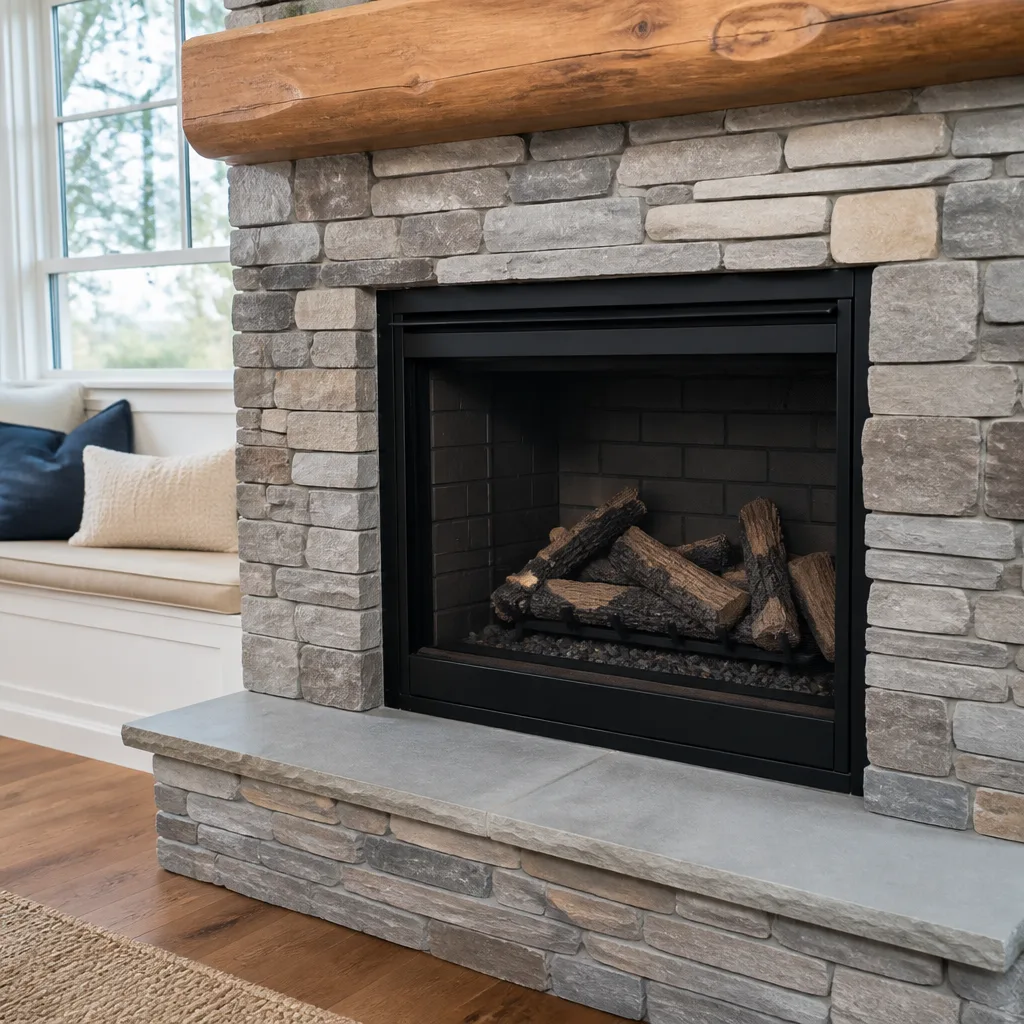
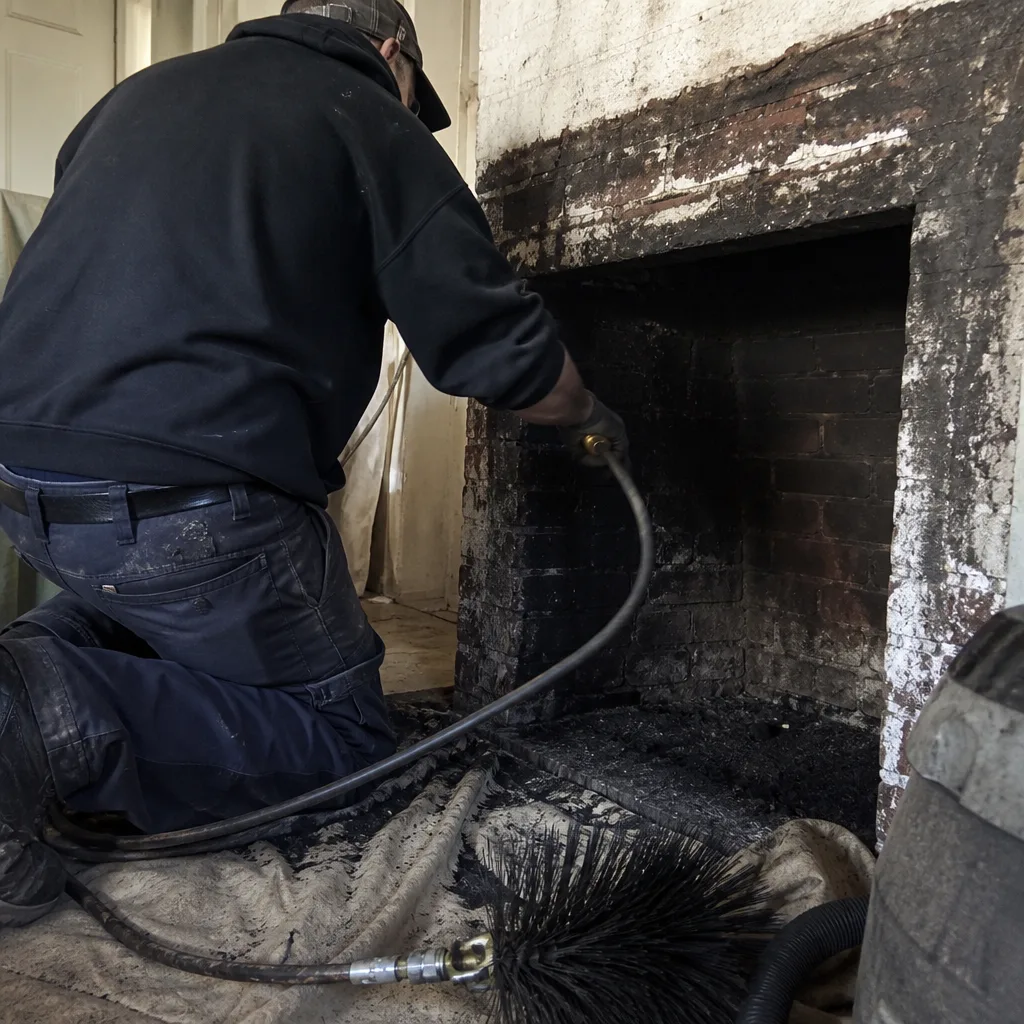 Before
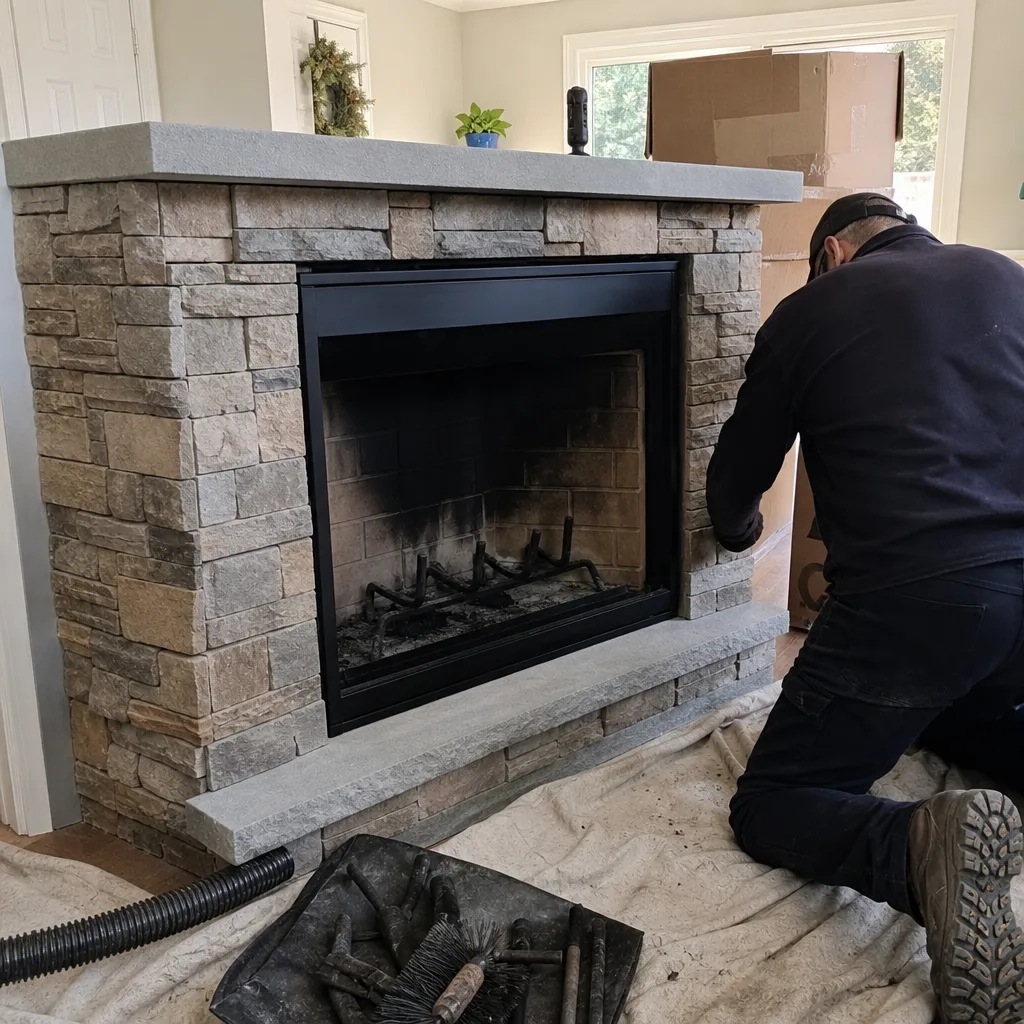 After
After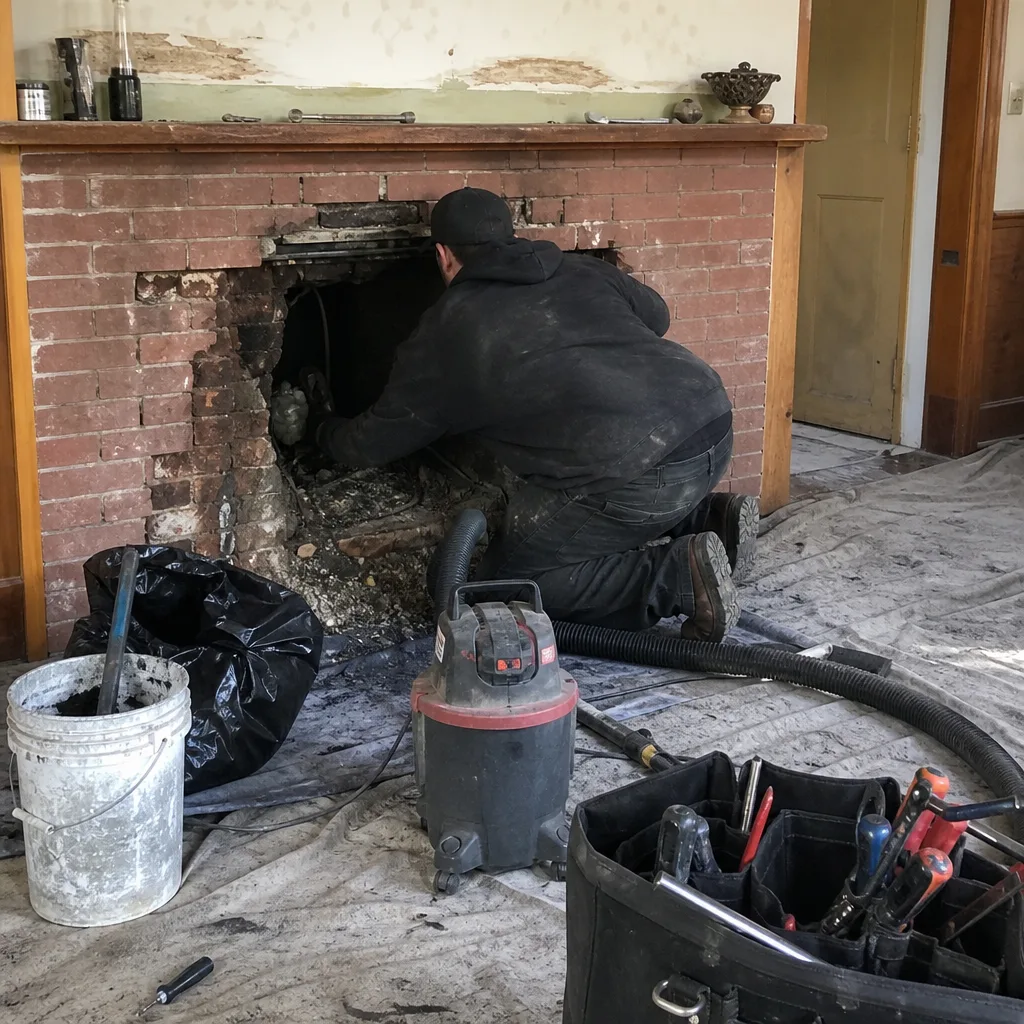 Before
 After
After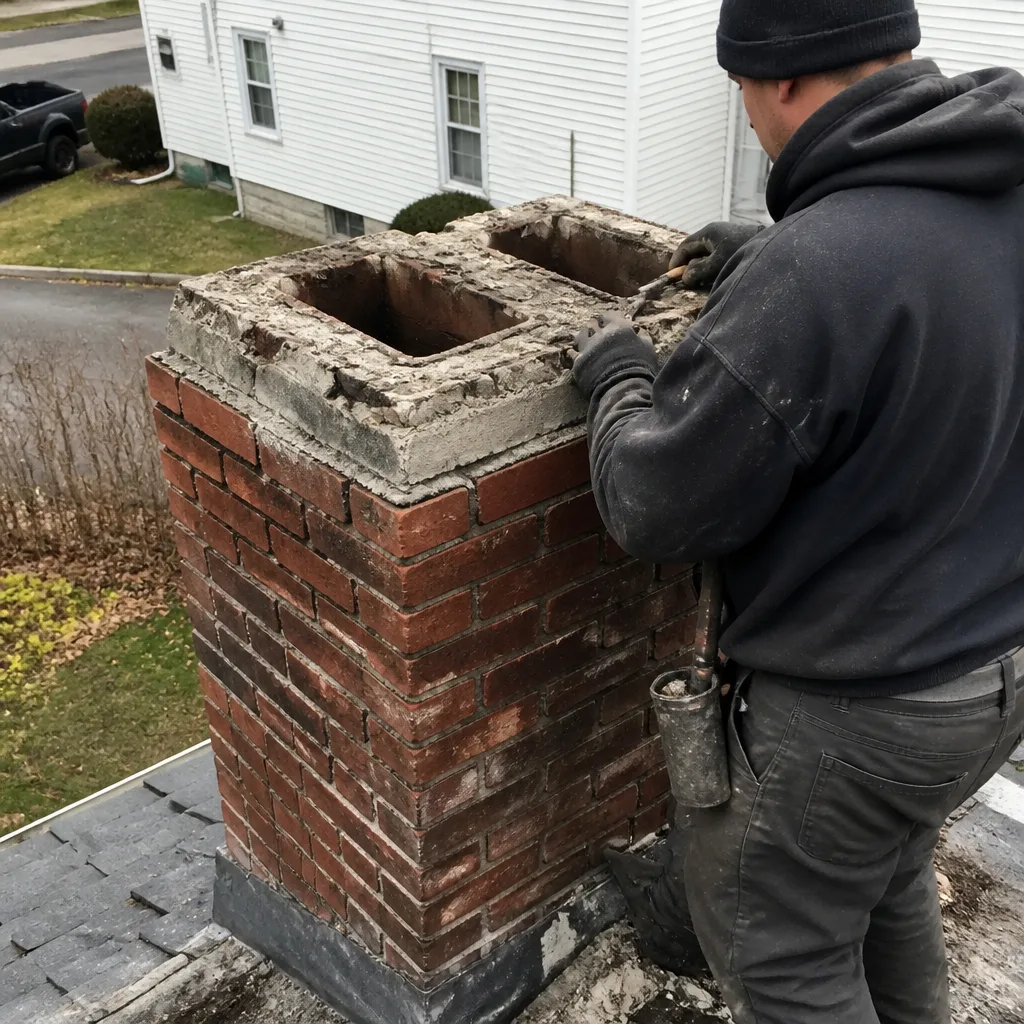 Before
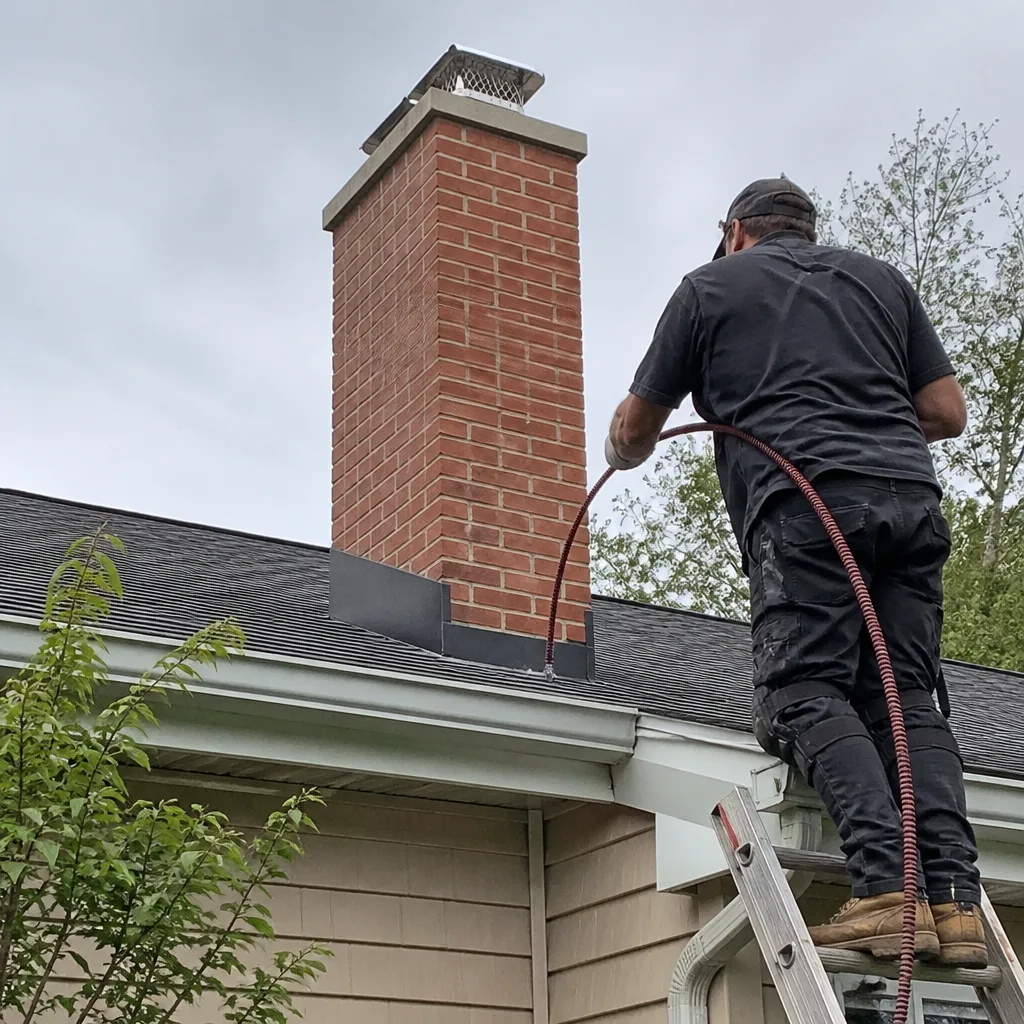 After
AfterCreosote Removal in Worcester, MA
Creosote removal in Worcester typically runs $180 to $450, depending on the class of buildup and how many flue sections need treatment – and in most cases, we complete the work the same visit as your inspection. Level Two Chimney Co. has cleared creosote from more than 38,000 chimneys since 2009, every one with a written price delivered before a single tool comes out of the van.
If you’ve been burning wood in a Worcester winter – and with heating seasons that regularly stretch from October through late April, most of us have – creosote is not a question of if, it’s a question of how much. The older triple-decker and colonial-era homes in neighborhoods like Tatnuck, Burncoat, and Greendale tend to have clay tile flues that were built when wood was the only heat source. Those liners trap creosote differently than the flex-liner installations we see in newer construction, and they need a technician who can tell the difference on camera, not by flashlight.
Our Chimney Cleaning & Sweep in Worcester service is the parent of this page for a reason: creosote removal is not a standalone product. It’s a documented process that starts with a camera-scan inspection, classifies exactly what’s in your flue, and then removes it with the right tools and chemistry for that specific class of buildup. You get photos, a written scope, and a written price before anyone starts. That’s Haven Standard Clause 1 – it’s not a selling point, it’s how we operate.
To schedule or to ask a specific question, call us at (978) 307-8288. A live person picks up, 24 hours a day, 7 days a week – not a form, not a voicemail.
When You Need Creosote Removal
Not every smoky smell or slow draw means you have a creosote problem, but the following situations almost always do. If any of these match what you’re seeing at home, a Level 2 Inspection with camera will confirm it in plain terms before we quote anything.
- Visible black or tar-like residue inside the firebox. Glassy, hardened deposits at the smoke shelf or on the damper plate are a strong indicator of Class II or Class III creosote – the kind that doesn’t brush off and requires chemical treatment or mechanical grinding.
- A persistent, sharp or oily smell even when the fireplace isn’t in use. In Worcester’s humid summers, the moisture in the air draws creosote odors down through the flue and into the living space. Several calls we get every July from Salisbury Street and West Side residents turn out to be moderate-to-heavy Class II buildup left over from the previous heating season.
- Reduced draft or smoke rolling back into the room. A flue choked with buildup restricts airflow. The fire can’t pull properly and combustion gases – including carbon monoxide – find the path of least resistance, which is often back through your fireplace opening.
- It’s been more than a year since your last professional cleaning. The National Fire Protection Association’s standard NFPA 211 recommends an annual inspection for any fireplace in active use. Worcester homeowners who burned two or more cords of wood last winter should not wait to find out what’s in the flue.
- You just bought the home and don’t have records. A significant portion of the homes we inspect in zip codes 01604 and 01609 change hands without a current chimney record. A Level 2 camera inspection tells you exactly what you’re working with – and if there’s creosote, we quote the removal right then.
- You’ve noticed sparks or a roaring sound from the chimney during a fire. That sound is a chimney fire in progress. Class III creosote – the honeycomb or puffy deposit stage – is highly flammable. If you’ve experienced this, stop using the fireplace and call us before lighting another fire.
Our Creosote Removal Process
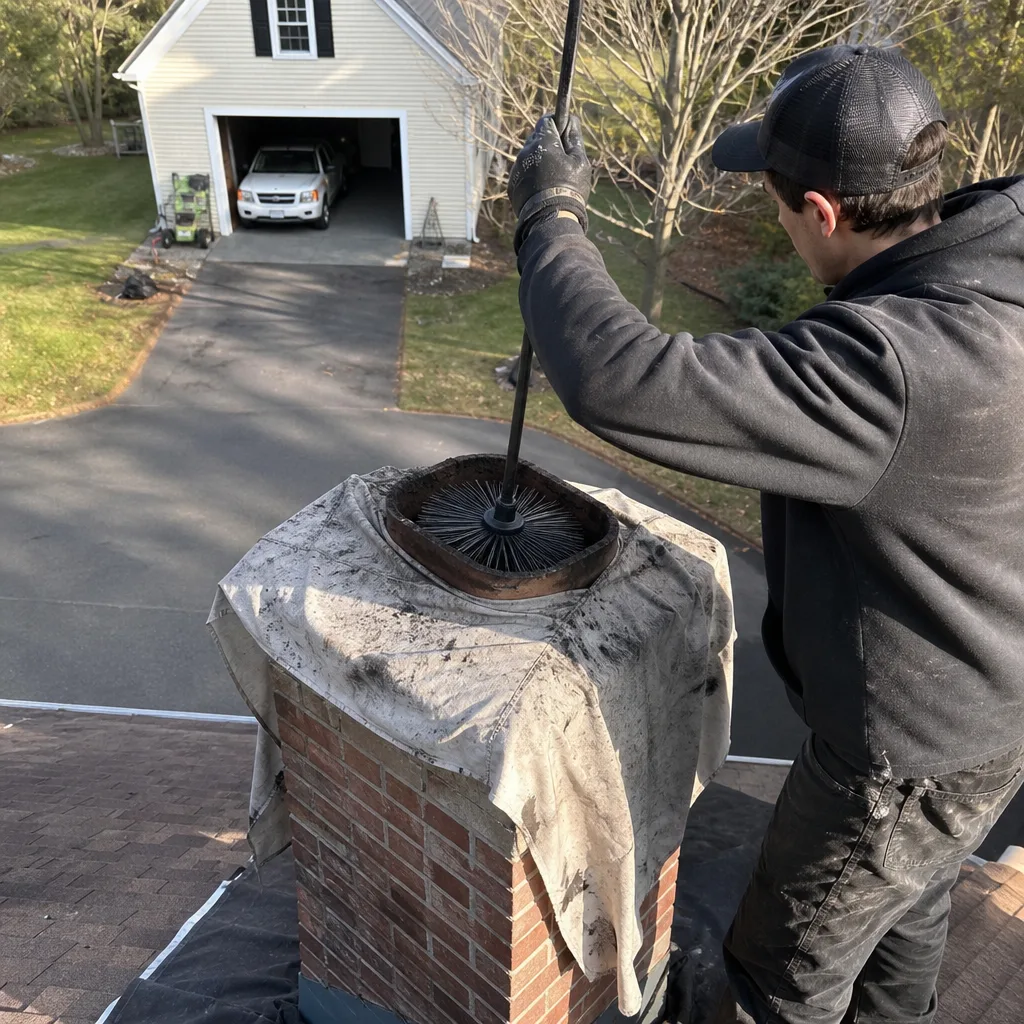
This is the exact sequence we follow on every creosote job in Worcester. Nothing starts until you have a written price in hand.
- Level 2 camera-scan inspection, flue to firebox. A calibrated camera travels the full length of your flue liner, capturing footage and still images at every section. We classify the creosote present – Class I (light, dusty), Class II (tar-like or flaky, hardened), or Class III (glazed, honeycomb, or shiny and brittle) – and note any liner cracks, mortar joint failures, or obstructions. This documented photo record is included as standard under Clause 4 of the Haven Standard; it’s not an add-on.
- Written scope and written price, before work begins. Based on the camera findings, we give you a written price on the spot. You know exactly what we’ll do, what materials we’ll use (where applicable), and what the job will cost before you say go. This is Haven Standard Clause 1 – no surprises when the work is done.
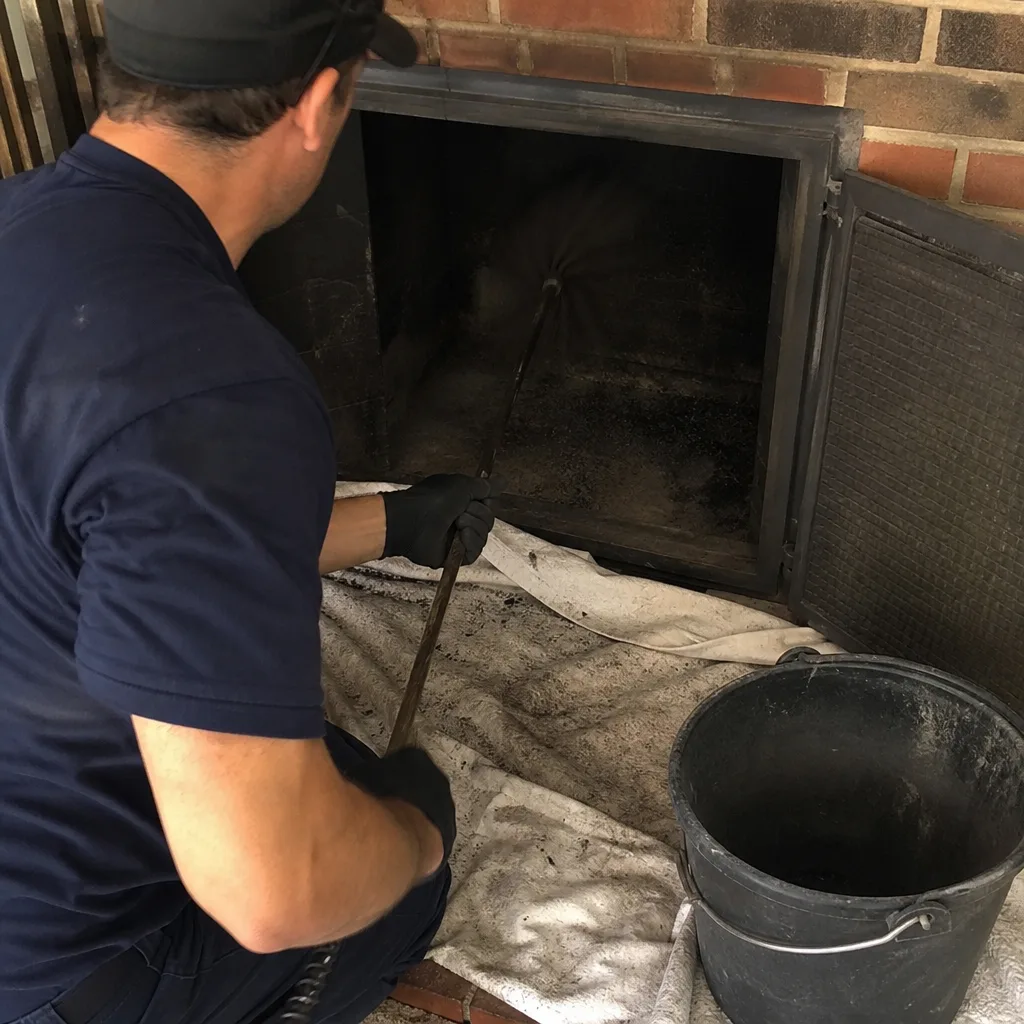
- Firebox and surrounding area protection. We lay drop cloths and set a HEPA-filtered vacuum system at the firebox opening. Creosote removal – especially for Class II and III deposits – releases fine particulate and chemical residue. Protecting your floors, hearth surround, and living space is part of the job, not an extra step.
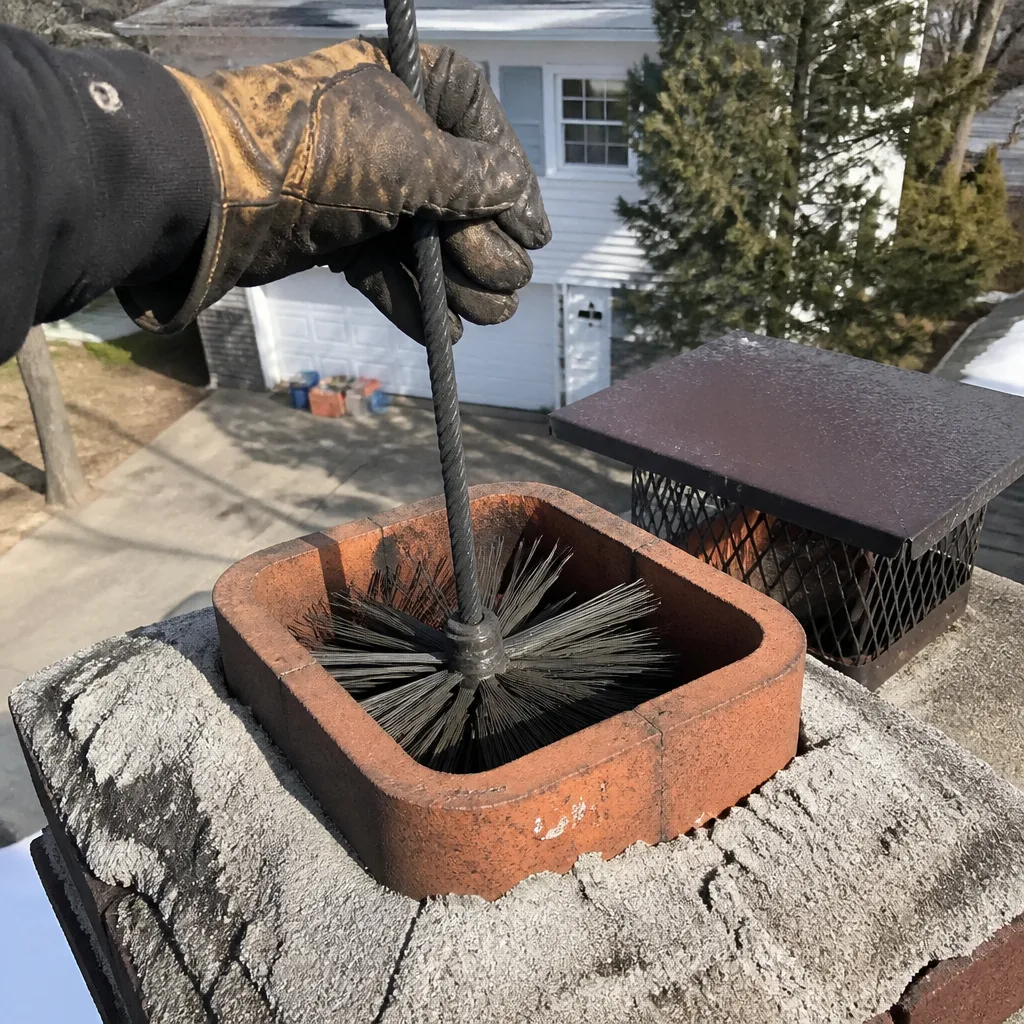
- Mechanical brushing and/or chemical treatment, matched to the class. Class I buildup is removed with professional rotary brushes. Class II and III deposits require a different approach: we apply a certified creosote modification agent – sourced through Haven’s buying network from suppliers including Copperfield – that converts the hardened or glazed material into a brushable form, then follow up with rotary and hand brushing to clear the flue. For severe glazed deposits, mechanical grinding may be required. We tell you which method applies to your flue before we start.
- Post-removal camera pass and measurement verification. Once the flue is cleared, the camera goes back down. We confirm the liner is clean, check that no new liner damage was exposed during removal, and document the finished condition with photos. This is the record you keep – and the one your insurance carrier or home inspector can reference.
- Written summary and 365-Day Done Right Promise. Before we leave, you get a written summary of what was found, what was done, and the condition of your flue as of today. The 365-Day Done Right Promise is stamped on the job: if it’s not right, we make it right.
 Before
 After
AfterCreosote Removal Pricing in Worcester
Creosote removal in Worcester costs $180 to $450 for most single-flue residential jobs. The range reflects real variation in what we find – a light Class I cleaning on a well-maintained flue costs materially less than a Class III chemical-and-grind treatment on a flue that hasn’t been touched in five or six winters. The table below breaks it down.
| Creosote Class | Typical Condition | Estimated Cost (Worcester, single flue) |
|---|---|---|
| Class I | Light, dusty deposits – routine annual use | $180 – $240 |
| Class II | Tar-like, flaky, or hardened buildup | $240 – $340 |
| Class III | Glazed, honeycomb, or shiny deposits requiring chemical treatment and/or grinding | $340 – $450+ |
| Multi-flue or oversized liner | Add per additional flue | +$80 – $150 per flue |
What affects your specific price:
- The class of creosote present (confirmed by camera before we quote)
- Flue height and liner type – Worcester’s older clay tile flues can run 30 to 40 feet in a three-story colonial or triple-decker, which adds brushing time
- Whether chemical treatment is required and how many applications
- Access conditions at the roofline – steep pitches or limited clearance take longer
- Any liner repair or cap work identified during the same visit
A written price is on the table before any work begins – always, with no exceptions. If you have a written estimate from another company, bring it to us. We offer a free second opinion on any written quote, and we’ll tell you plainly whether the scope is right for what your flue actually needs.
Call (978) 307-8288 to schedule your inspection and get a written price – estimates are free and there’s no obligation to proceed.
Why Worcester Chimneys Build Up Creosote Faster Than You’d Expect
Worcester’s heating season is long and its winters are cold. The city averages around 60 inches of snowfall annually, and temperatures below freezing from December through March are normal – which means fireplaces and wood stoves in active use for five to six months straight. That’s a lot of combustion cycles on a flue that may not have had Chimney Cleaning & Sweep services since the previous spring.
There’s a specific pattern we see in Worcester that’s worth naming. Homes in Tatnuck Square and the West Side tend to have older masonry chimneys with clay tile liners that were sized for coal or for large, open fireplaces. When those fireplaces get converted to wood-burning inserts or smaller decorative grates, the flue is often oversized for the appliance. An oversized flue means slower draft, cooler exhaust temperatures, and faster creosote accumulation – the smoke has more time to deposit on the liner walls before it exits. We see Class II buildup in some of these homes after a single season of moderate use.
On the opposite end, newer construction in the Grafton Hill and Greendale areas often has Fireplace Cleaning for prefabricated fireplaces with metal flues. Those liners are sized correctly for their appliance, but they’re also more sensitive to the type of wood burned. Green or wet wood in a prefab fireplace is one of the more reliable ways to produce a heavy Class II deposit in one winter. DuraFlex flex liner systems, which we use when a liner replacement is needed after severe creosote damage, handle these installations well – but the best outcome is always removing the creosote before liner damage occurs.
The short version: Worcester’s climate and its housing stock combine to make annual chimney service not a suggestion but a practical necessity for any homeowner burning wood.
What the Documentation Looks Like When We Leave
Under Clause 4 of the Haven Standard, every job includes a documented photo record – camera footage from the pre-cleaning inspection and still photos from the post-cleaning pass. This isn’t a verbal summary or a checkbox on a work order. It’s a record you can hand to your homeowner’s insurance carrier, show to a home inspector, or reference yourself three years from now when you’re trying to remember what condition the flue was in after the 2026 cleaning.
You also get a written scope (what we said we’d do), a written price (what we said it would cost), and a written warranty under the 365-Day Done Right Promise. If something isn’t right within a year of our work, we come back and make it right. That’s the commitment, and it’s in writing before we start.
For homeowners who bought their Worcester property recently and don’t have historical chimney records, this documentation matters more than usual. A Level 1 Inspection or Level 2 inspection and cleaning gives you a dated, photographed baseline that a future buyer, inspector, or insurer can rely on.
FAQs – Creosote Removal in Worcester
How much does creosote removal cost in Worcester, MA?
Creosote removal in Worcester costs between $180 and $450 for a single residential flue, depending on the class of buildup. Class I (light, dusty deposits from routine use) starts around $180 to $240. Class III (glazed or honeycomb deposits requiring chemical treatment and mechanical grinding) can run $340 to $450 or more. The price is always written before work starts – no exceptions. Call (978) 307-8288 to schedule a camera inspection and get a written quote, free of charge.
Can you remove Class III glazed creosote, or does the liner need to be replaced?
Class III creosote – the glossy, brittle, or honeycomb-textured deposit that forms when volatile gases condense at high temperatures – can often be treated and removed without replacing the liner, but the outcome depends on whether the liner itself is intact. We apply a certified creosote modification agent, allow it to convert the glazed material to a brushable form, then remove it mechanically. After removal, the camera goes back down to check for liner cracks or spalling that the buildup was masking. If the liner is damaged, we’ll quote the repair in writing before any work proceeds. In cases where full replacement is needed, we use DuraFlex flex liner systems, which are appropriate for most Worcester masonry and prefab chimney configurations. You’ll know exactly what you need and what it costs before anyone starts.
How often should Worcester homeowners schedule creosote removal?
NFPA 211 calls for at least one inspection per year for any chimney in active use – and for most Worcester households burning wood through a full heating season, annual cleaning and inspection is the right interval. If you’re burning two or more cords of wood per winter, or if you’re burning anything other than seasoned hardwood, we’d suggest inspecting mid-season as well. Homes in Worcester’s older neighborhoods with clay tile flues sized for earlier, larger appliances tend to accumulate Class II buildup faster than the national average would suggest. Annual camera inspections catch the problem at the cheaper, easier-to-fix stage.
Is it safe to use my fireplace if I think I have heavy creosote buildup?
No – stop using the fireplace until the flue has been inspected and cleared. Heavy creosote, particularly Class III glazed deposits, is highly flammable and is a direct cause of chimney fires. A chimney fire can reach temperatures above 2,000 degrees Fahrenheit and can crack clay tile liners, compromise mortar joints, and in some cases spread to adjacent framing. This is not a scenario where monitoring the situation is safe. If you’ve heard a roaring sound from the chimney, noticed a strong acrid smell during a fire, or seen your smoke detector activate near the fireplace, treat it as urgent. Call (978) 307-8288 – we answer around the clock and we’ll tell you plainly what the next step is.
Key Takeaways
- Creosote removal in Worcester runs $180 to $450 for most single-flue jobs; the class of buildup (I, II, or III) determines where in that range you land.
- Every job starts with a Level 2 camera-scan inspection – you know what’s in the flue before we quote anything.
- A written price is delivered before work begins on every job, without exception (Haven Standard Clause 1).
- A documented photo record is included on every visit under Haven Standard Clause 4 – not an optional add-on.
- The 365-Day Done Right Promise covers every job: if it’s not right, we make it right.
- Worcester’s long heating season and older clay tile flue stock make annual creosote inspection more important here than average – not a sales claim, just what the camera keeps showing us.
- For a free second opinion on any written estimate, or to book an inspection, call (978) 307-8288.
Schedule Creosote Removal in Worcester
If you’ve read this far, you probably already know what the next step is. A camera goes down the flue, we classify what’s there, and you get a written price before anything else happens. That’s the standard we’ve held since 2009, across more than 38,000 chimneys in the area – and it’s the same standard Corrine Halstead built Level Two Chimney Co. around when we started operating in Worcester.
To book your inspection or ask a specific question about your flue, call (978) 307-8288. A live person picks up every hour of every day. If you’d prefer, you can also reach us through our home page. We’ll confirm your appointment with a text, and you’ll get a text when your technician is on the way. Estimates are free and your written price will be in hand before any work starts.
Written by Corrine Halstead, Owner at Level Two Chimney Worcester, serving Worcester.